$700 bn total imports, $500 bn from US alone?: Tharoor on trade deal
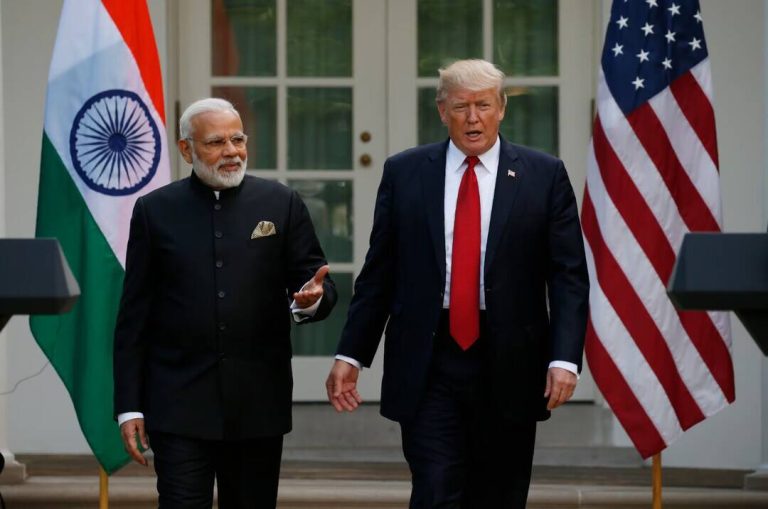
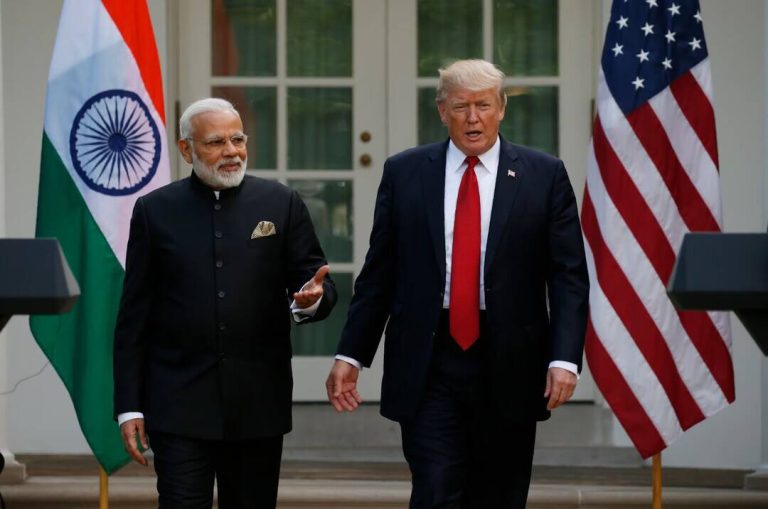
The recent trade deal between India and the United States has sparked a lot of interest and debate among policymakers, economists, and the general public. While announcing the trade deal, US President Donald Trump claimed that Prime Minister Narendra Modi committed to buying “$500 billion worth of US energy, technology, agricultural, coal, and many other products”. This statement has raised several eyebrows, with many questioning the feasibility and implications of such a massive commitment.
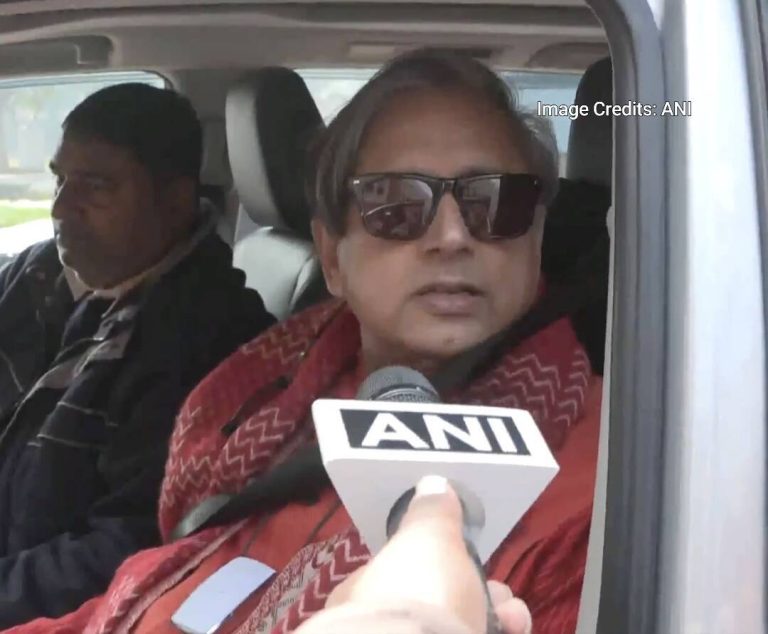
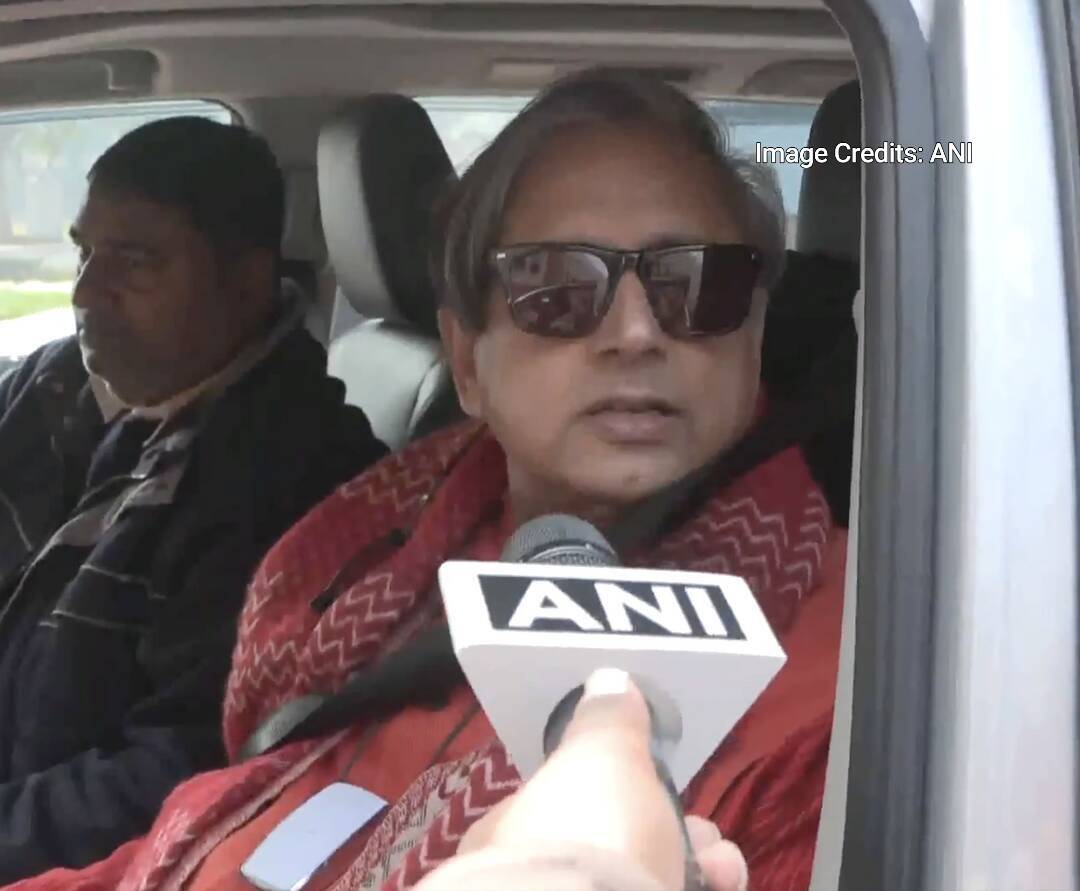
Seeking clarity on this, Congress MP Shashi Tharoor said, “Our entire import bill is $700 billion, so are we going to stop buying from every other country?” This statement highlights the concerns surrounding the trade deal and the potential impact it could have on India’s trade relationships with other countries. In this blog post, we will delve into the details of the trade deal and examine the implications of such a massive commitment to buy from the United States.
Firstly, it is essential to understand the context of the trade deal. The United States has been one of India’s largest trading partners, with bilateral trade between the two countries valued at over $140 billion in 2020. The trade deal aims to further strengthen economic ties between the two nations and promote mutual trade and investment. However, the scale of the commitment made by Prime Minister Modi, as claimed by President Trump, has raised concerns among many.
The figure of $500 billion is staggering, to say the least. To put this into perspective, India’s total imports in 2020 were valued at around $700 billion. This means that if India were to commit to buying $500 billion worth of goods from the United States, it would account for over 70% of the country’s total imports. This raises several questions, including whether India would be able to meet its import requirements from other countries, and what the impact would be on the country’s trade relationships with other nations.
Shashi Tharoor’s statement highlights the concerns surrounding the trade deal. If India were to commit to buying such a large proportion of its imports from the United States, it would likely lead to a significant reduction in trade with other countries. This could have far-reaching implications, including the potential for trade wars and strained diplomatic relationships. Moreover, it is essential to consider the potential impact on Indian industries, including manufacturing and agriculture, which could be affected by the influx of cheap imports from the United States.
Furthermore, it is crucial to examine the products that India is expected to buy from the United States. The list includes energy, technology, agricultural products, coal, and many other goods. While India does import some of these products, it is essential to consider whether the country needs to buy such large quantities from the United States. For instance, India has been actively promoting its own renewable energy sector, and it is unclear whether the country would need to import large quantities of energy from the United States.
In addition to the concerns surrounding the trade deal, it is also essential to consider the potential benefits. The trade deal could lead to increased investment in India, particularly in the energy and technology sectors. It could also promote the growth of Indian industries, including manufacturing and services. However, it is crucial to ensure that the trade deal is fair and equitable, and that India’s interests are protected.
In conclusion, the trade deal between India and the United States has sparked a lot of interest and debate. While the deal has the potential to promote economic growth and mutual trade and investment, it is essential to consider the implications of such a massive commitment to buy from the United States. Shashi Tharoor’s statement highlights the concerns surrounding the trade deal, and it is crucial to seek clarity on the details of the agreement. As India navigates its trade relationships with other countries, it is essential to ensure that the country’s interests are protected, and that the trade deal is fair and equitable.
The trade deal between India and the United States is a complex issue, with far-reaching implications for the country’s economy and trade relationships. As the details of the deal become clearer, it is essential to continue monitoring the situation and examining the potential impact on India’s economy and industries. One thing is certain, however – the trade deal has the potential to shape the future of India’s trade relationships, and it is crucial to ensure that the country’s interests are protected.
News source: https://x.com/ANI/status/2018584610888937726
About the Author