$700 bn total imports, $500 bn from US alone?: Tharoor on trade deal
The recent trade deal between India and the United States has sparked a lot of interest and debate among policymakers, economists, and the general public. While announcing the trade deal, US President Donald Trump claimed that Prime Minister Narendra Modi committed to buying “$500 billion worth of US energy, technology, agricultural, coal, and many other products”. This statement has raised several eyebrows, with many questioning the feasibility and implications of such a massive commitment.
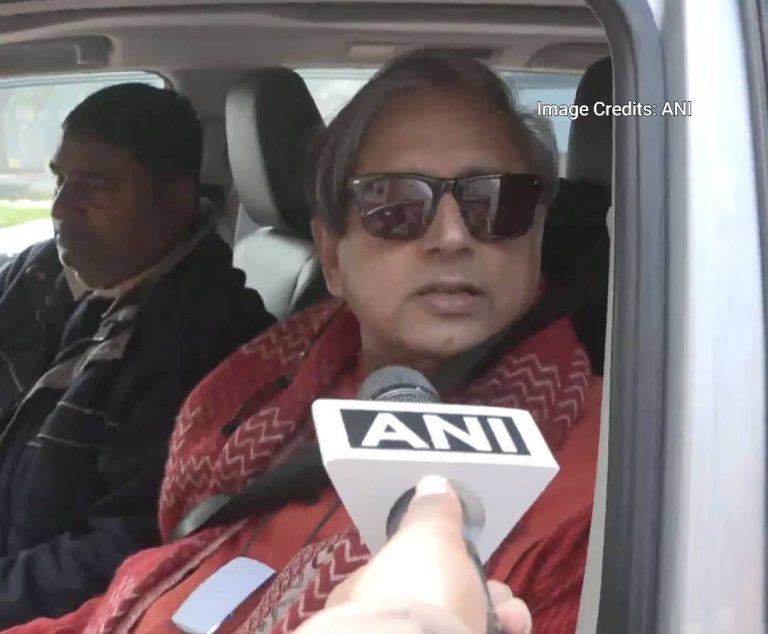
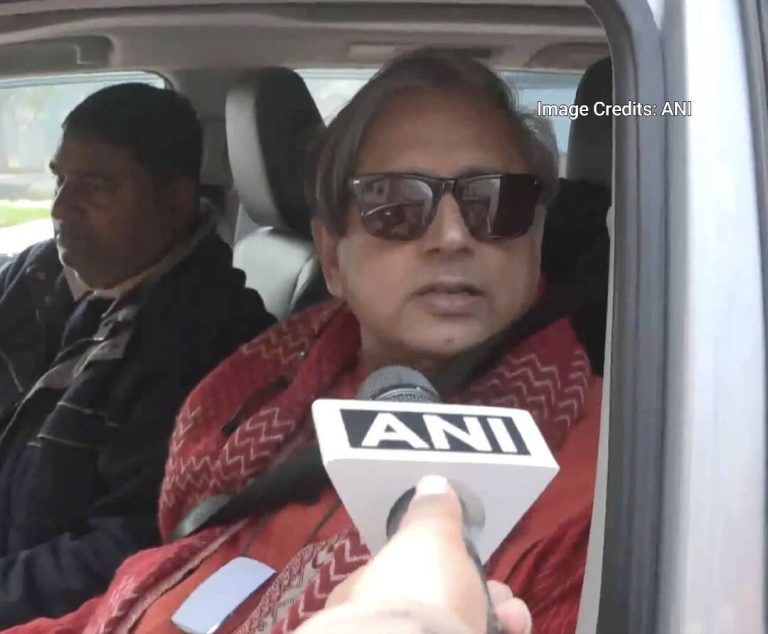
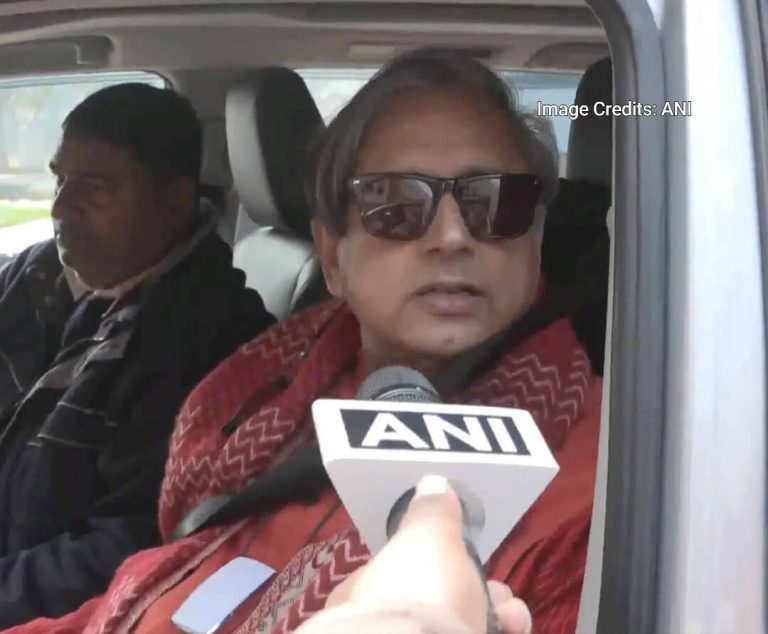
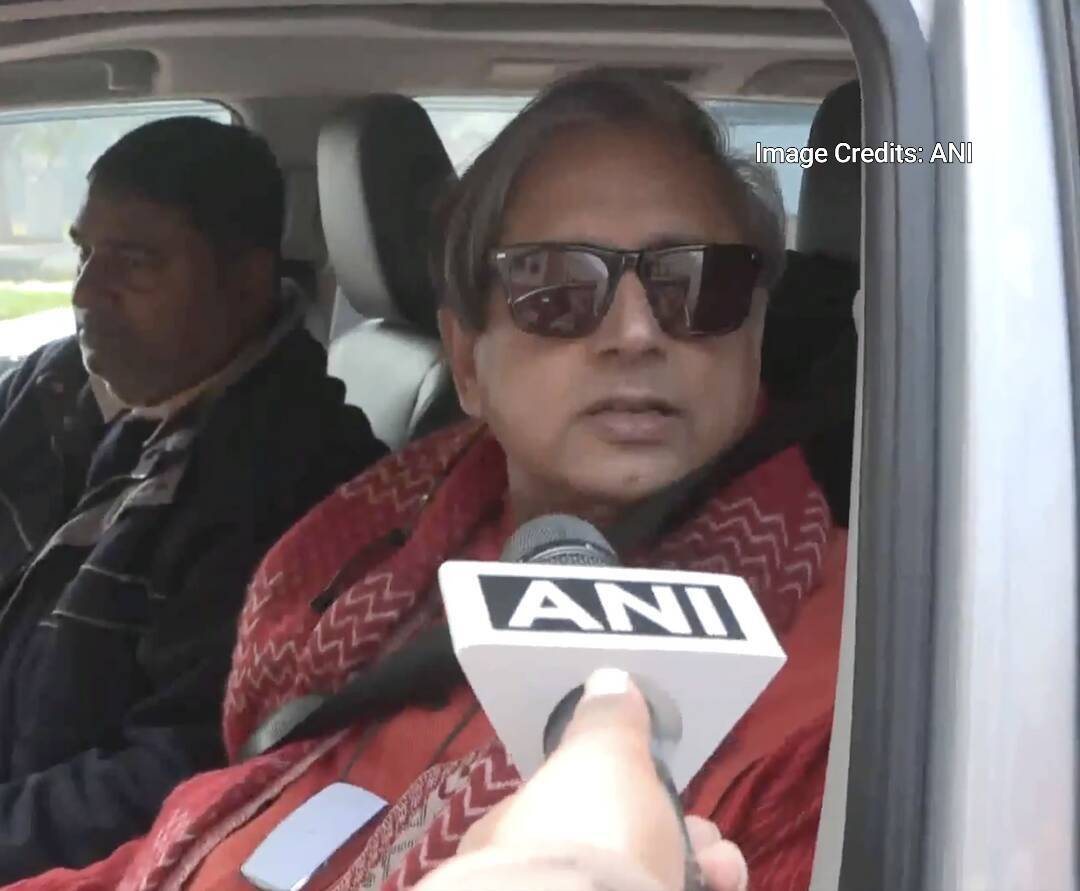
Seeking clarity on this, Congress MP Shashi Tharoor said, “Our entire import bill is $700 billion, so are we going to stop buying from every other country?” This statement highlights the concerns and uncertainties surrounding the trade deal. If India were to buy $500 billion worth of products from the US alone, it would account for a significant majority of the country’s total imports. This raises questions about the potential impact on India’s trade relationships with other countries and the potential consequences for the domestic economy.
To put this into perspective, India’s total imports for the year 2020-21 stood at approximately $700 billion. This includes imports from all countries, including China, the European Union, and other major trading partners. If $500 billion of this amount were to come from the US alone, it would mean that India’s imports from the US would increase by several times, potentially disrupting the balance of trade with other countries.
Tharoor’s statement also highlights the potential risks of over-reliance on a single country for imports. If India were to commit to buying such a large amount from the US, it could lead to a situation where the country becomes overly dependent on the US for its import needs. This could have significant implications for India’s trade policy and its ability to negotiate with other countries.
Furthermore, the claim made by President Trump has also raised questions about the nature of the trade deal itself. Was this commitment made by Prime Minister Modi, or is it a unilateral statement made by the US President? What are the terms and conditions of this commitment, and how will it be implemented? These are all questions that require clarification and transparency.
In addition to the concerns raised by Tharoor, there are also questions about the potential impact of this trade deal on India’s domestic economy. If India were to import $500 billion worth of products from the US, it could lead to a significant increase in the country’s trade deficit. This could have implications for the value of the Indian rupee and the overall health of the economy.
It is also worth noting that the trade deal between India and the US is part of a larger trend of increasing trade tensions between countries. The US has been pursuing a protectionist trade policy, with a focus on reducing its trade deficit and promoting domestic industries. This has led to trade tensions with several countries, including China, the European Union, and India.
In conclusion, the trade deal between India and the US has raised several questions and concerns. The claim made by President Trump about India’s commitment to buy $500 billion worth of US products has sparked debate and uncertainty. As Tharoor pointed out, India’s entire import bill is $700 billion, so it is unclear how the country can commit to buying such a large amount from the US alone. The potential implications of this trade deal are significant, and it is essential that the government provides clarity and transparency on the terms and conditions of the agreement.
The government must also consider the potential risks and consequences of over-reliance on a single country for imports. India must maintain its trade relationships with other countries and ensure that its trade policy is balanced and diversified. The country must also protect its domestic industries and ensure that the trade deal does not lead to a significant increase in the trade deficit.
As the trade deal between India and the US continues to evolve, it is essential that the government provides regular updates and clarifications on the terms and conditions of the agreement. The country must also engage in a broader debate about the implications of this trade deal and the potential consequences for the domestic economy.
Source: https://x.com/ANI/status/2018584610888937726
About the Author