NASA’s Perseverance rover completes 1st AI-planned drive on Mars
In a groundbreaking achievement, NASA’s Perseverance rover has successfully completed its first drive on Mars that was planned by artificial intelligence. This historic demonstration took place on December 8 and 10, 2022, and was led by NASA’s Jet Propulsion Laboratory in Southern California. The achievement marks a significant milestone in the development of autonomous systems for space exploration and paves the way for more efficient and effective exploration of other worlds.
According to NASA, the demonstration showed how far the agency’s capabilities have advanced and broadens the possibilities for exploring other worlds. “This demonstration shows how far our capabilities have advanced and broadens how we will explore other worlds,” NASA Administrator Jared Isaacman said. The success of this demonstration is a testament to the hard work and dedication of the team at NASA’s Jet Propulsion Laboratory, who have been working tirelessly to develop and refine the autonomous systems that made this achievement possible.
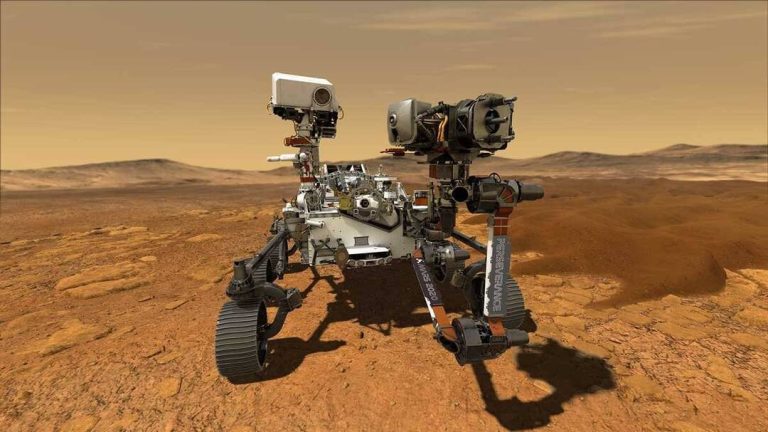
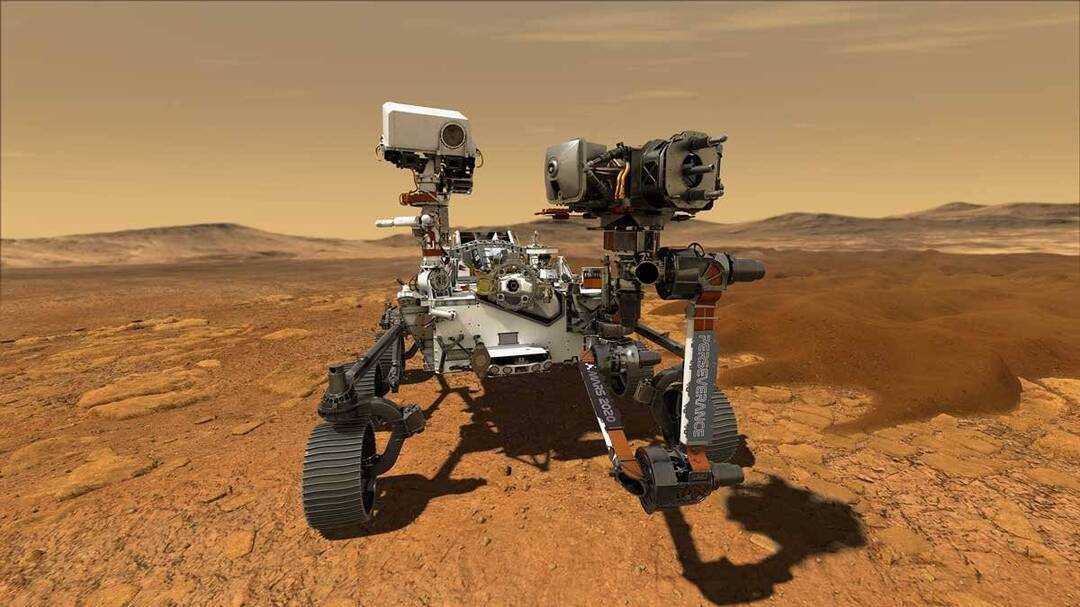
The Perseverance rover, which landed on Mars in February 2021, is equipped with a range of advanced instruments and technologies that enable it to conduct scientific experiments and gather data on the Martian environment. The rover’s autonomous system, which includes a sophisticated AI-powered planning tool, allows it to navigate and explore the Martian terrain with greater ease and efficiency. The AI-powered planning tool uses a range of data, including images and terrain maps, to plan the rover’s route and avoid obstacles.
The demonstration, which took place over two days, involved the Perseverance rover driving a total of 547 feet (167 meters) across the Martian terrain. The rover’s autonomous system used a range of data, including images and terrain maps, to plan the route and avoid obstacles. The demonstration was a complete success, with the rover completing the drive without any issues or problems.
The success of this demonstration has significant implications for the future of space exploration. By using AI-powered planning tools, NASA can reduce the time and resources required to plan and execute missions, allowing for more frequent and complex missions to be conducted. Additionally, the use of autonomous systems can help to reduce the risk of human error and improve the overall safety of space missions.
The use of AI in space exploration is not new, but the demonstration by the Perseverance rover marks a significant milestone in the development of autonomous systems for space exploration. In recent years, NASA has been working to develop and refine its autonomous systems, with the goal of creating more efficient and effective systems for exploring other worlds.
One of the key benefits of using AI in space exploration is the ability to process and analyze large amounts of data quickly and efficiently. The Perseverance rover, for example, generates vast amounts of data every day, including images, terrain maps, and scientific data. By using AI-powered systems to analyze and process this data, NASA can gain a deeper understanding of the Martian environment and make more informed decisions about the rover’s route and activities.
Another benefit of using AI in space exploration is the ability to adapt to changing circumstances and unexpected events. The Martian environment is notoriously unpredictable, with sudden dust storms and other hazards posing a significant risk to the rover. By using AI-powered systems to monitor and respond to these events, NASA can reduce the risk of damage or loss to the rover and ensure that the mission is completed successfully.
In conclusion, the completion of the first AI-planned drive on Mars by the Perseverance rover is a significant achievement that marks a major milestone in the development of autonomous systems for space exploration. The demonstration shows how far NASA’s capabilities have advanced and broadens the possibilities for exploring other worlds. As NASA continues to push the boundaries of space exploration, the use of AI and autonomous systems will play an increasingly important role in enabling more efficient, effective, and safe missions.
The success of this demonstration is a testament to the hard work and dedication of the team at NASA’s Jet Propulsion Laboratory, who have been working tirelessly to develop and refine the autonomous systems that made this achievement possible. As we look to the future of space exploration, it is clear that AI and autonomous systems will play a vital role in enabling humanity to explore and understand the universe.
About the Author