New research explains same-sex behaviour across animal species
For decades, scientists have been fascinated by the prevalence of same-sex behaviour in the animal kingdom. From same-sex pairing in birds to homosexual mounting in mammals, same-sex behaviour has been observed in hundreds of species, leaving many to wonder about its origins and purpose. Now, a new study by researchers at Imperial College London has shed light on this phenomenon, revealing that same-sex behaviour is not just a quirk of nature, but rather an adaptive strategy that helps strengthen social bonds and improve cooperation in complex or harsh environments.
The study, which covered hundreds of species, found that environmental and social pressures, rather than genetics alone, drive same-sex behaviour across the animal kingdom. This challenges the long-held assumption that same-sex behaviour is an evolutionary anomaly, and instead suggests that it plays a vital role in the survival and success of many species.
Same-sex behaviour has been observed in a wide range of animals, from insects to mammals. In some species, such as certain types of birds and fish, same-sex pairing is a common occurrence, while in others, such as some mammals, it is less frequent but still observed. Despite its prevalence, same-sex behaviour has often been viewed as an aberration, a deviation from the norm of heterosexual behaviour. However, the new research suggests that this view is misguided, and that same-sex behaviour is, in fact, an important aspect of animal social behaviour.
So, why does same-sex behaviour evolve in animal species? According to the researchers, it is often a response to environmental and social pressures. In complex or harsh environments, animals may need to form close bonds with each other in order to survive. Same-sex behaviour can help to strengthen these bonds, promoting cooperation and mutual support. For example, in some species of birds, same-sex pairing has been observed in response to a lack of opposite-sex mates, or in response to high levels of predation or competition for resources.
In addition to promoting cooperation, same-sex behaviour can also play a role in reducing aggression and conflict within groups. In some species, same-sex mounting or other forms of same-sex behaviour have been observed as a way of resolving conflicts or establishing dominance hierarchies. This can help to reduce stress and promote social stability, which is essential for the survival and success of many animal species.
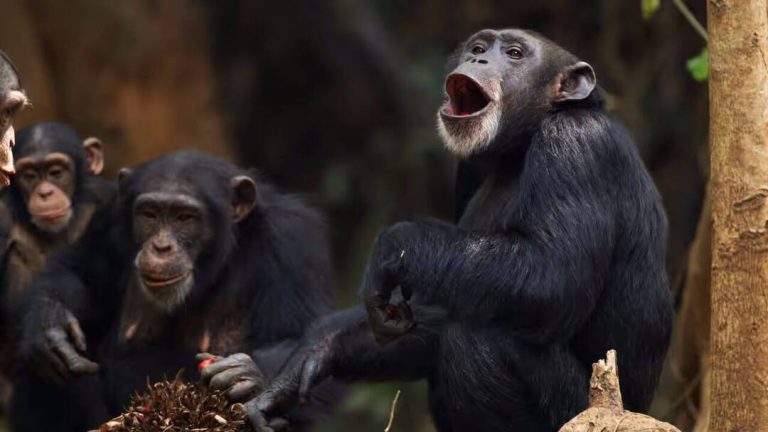
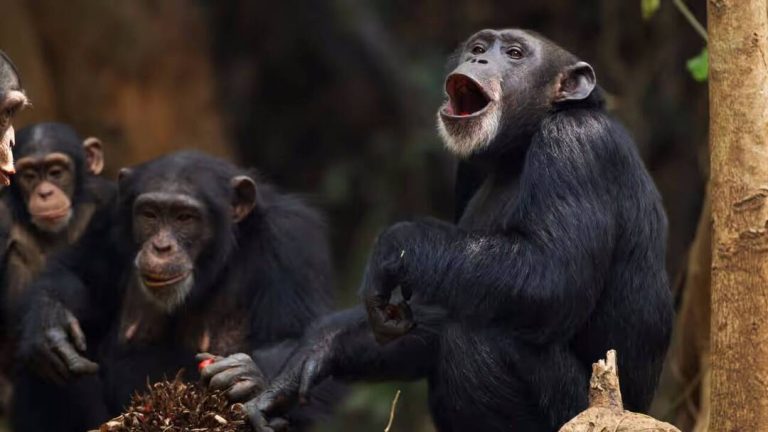
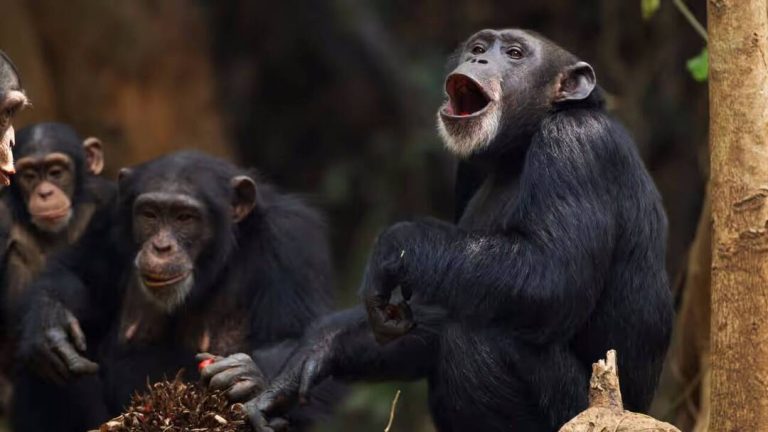
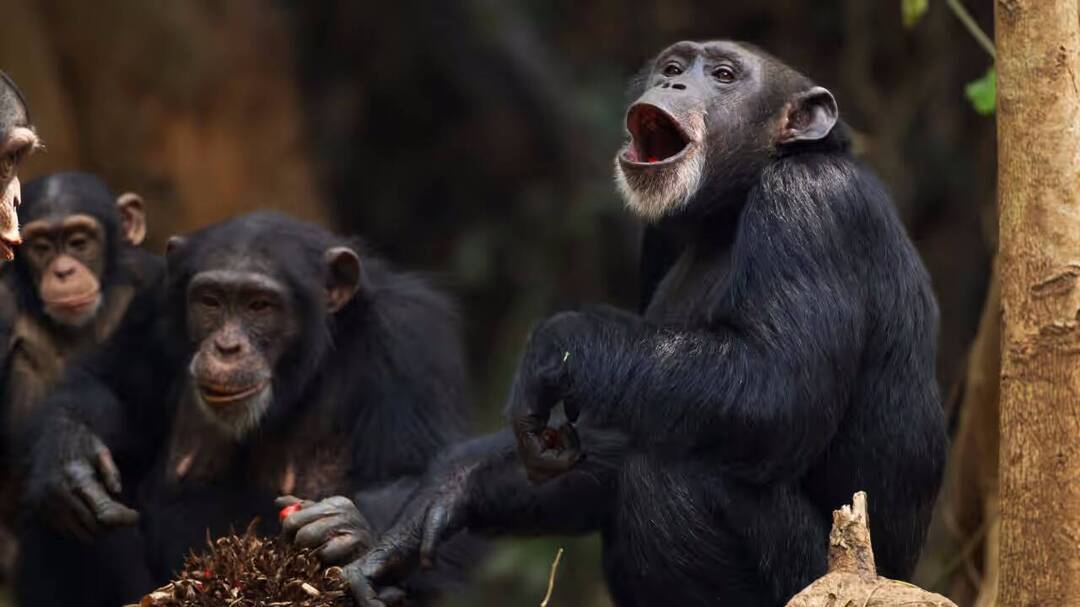
The researchers also found that same-sex behaviour is more common in species that are highly social, such as primates, dolphins, and elephants. In these species, same-sex behaviour is often an integral part of their social behaviour, and plays a key role in maintaining social bonds and promoting cooperation. For example, in some species of primates, same-sex grooming and mounting have been observed as a way of strengthening social bonds and reducing aggression.
The study’s findings have important implications for our understanding of animal social behaviour and the evolution of same-sex behaviour. They suggest that same-sex behaviour is not just a byproduct of genetic or hormonal influences, but rather an adaptive strategy that has evolved in response to environmental and social pressures. This challenges the traditional view of same-sex behaviour as an evolutionary anomaly, and instead highlights its importance in promoting cooperation, reducing conflict, and improving survival in many animal species.
In conclusion, the new research by Imperial College London provides a fascinating insight into the origins and purpose of same-sex behaviour in the animal kingdom. By highlighting the role of environmental and social pressures in driving same-sex behaviour, the study challenges our traditional views of animal social behaviour and the evolution of same-sex behaviour. As we continue to learn more about the complex and fascinating world of animal social behaviour, it is clear that same-sex behaviour plays a vital role in promoting cooperation, reducing conflict, and improving survival in many species.
Read more about this research at: https://newsable.asianetnews.com/international/science/scientists-discover-why-same-sex-behaviour-evolves-in-animal-species-articleshow-zd8b90h
About the Author