How does Sentinel-2 protect India’s biodiversity?
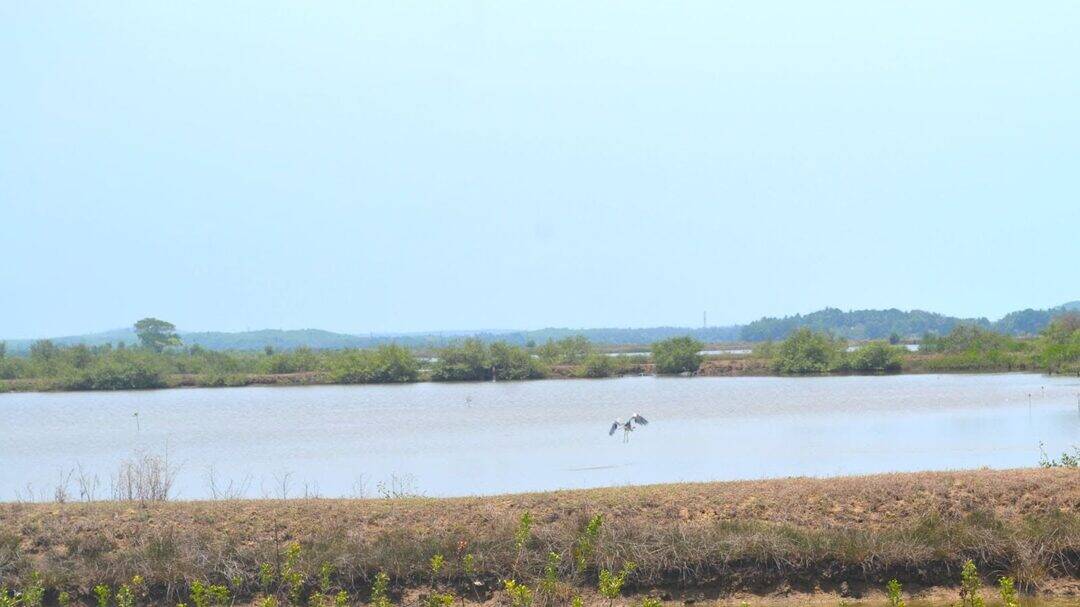
India is home to a rich and diverse range of flora and fauna, with its wetlands being a crucial component of the country’s ecosystem. Wetlands, which include lakes, rivers, and marshes, provide a habitat for numerous plant and animal species, and play a vital role in maintaining the country’s biodiversity. However, these ecosystems are facing numerous threats, including climate change, pollution, and human activities such as deforestation and urbanization. In an effort to monitor and protect India’s wetlands, scientists at the Indian Space Research Organisation (ISRO), Indian Institute of Space Science and Technology (IIST), and Gujarat University have developed a new satellite mapping system, known as Sentinel-2.
The Sentinel-2 system is a state-of-the-art technology that uses satellite imagery to identify and monitor plant life in India’s wetlands. The system has been shown to be highly accurate, with a 94% success rate in identifying submerged plants. This is a significant achievement, as it allows scientists to monitor the health of India’s wetlands in a more efficient and effective manner. The study, which monitored 500 of India’s largest wetlands, has provided valuable insights into the current state of the country’s wetland ecosystems.
The results of the study are alarming, with nearly 100 lakes, mostly in central and southern India, showing a major decline in vital plant life. This decline is a clear indication of the impact of climate change and human activities on India’s wetlands. The loss of plant life in these ecosystems can have severe consequences, including the loss of biodiversity, decreased water quality, and increased greenhouse gas emissions. The study’s findings highlight the need for urgent climate action to protect India’s wetlands and the plant and animal species that depend on them.
The Sentinel-2 system is a powerful tool in the fight to protect India’s biodiversity. By providing accurate and up-to-date information on the health of the country’s wetlands, the system enables scientists and policymakers to make informed decisions about conservation and management efforts. The system can also be used to monitor the effectiveness of conservation efforts, allowing for adjustments to be made as needed.
One of the key advantages of the Sentinel-2 system is its ability to monitor wetlands over large areas. Traditional methods of monitoring wetlands, such as field surveys, can be time-consuming and labor-intensive, and may not provide a comprehensive picture of the ecosystem. The Sentinel-2 system, on the other hand, can provide high-resolution images of entire wetlands, allowing scientists to identify areas of concern and track changes over time.
The development of the Sentinel-2 system is a testament to the power of collaboration and innovation in the field of environmental science. The partnership between ISRO, IIST, and Gujarat University has brought together experts from a range of disciplines, including remote sensing, ecology, and conservation biology. The system is a shining example of how science and technology can be used to address some of the most pressing environmental challenges facing our planet.
In addition to its potential for monitoring wetlands, the Sentinel-2 system also has applications in other fields, such as agriculture and forestry. The system’s ability to identify and monitor plant life makes it an ideal tool for tracking crop health and detecting early signs of stress or disease. This can help farmers to take proactive measures to protect their crops, reducing the need for pesticides and other chemicals.
The Sentinel-2 system is also a valuable tool for monitoring the impact of climate change on India’s ecosystems. By tracking changes in plant life and water quality, the system can provide insights into the effects of climate change on the country’s biodiversity. This information can be used to inform policy and decision-making, helping to ensure that conservation efforts are targeted and effective.
In conclusion, the Sentinel-2 system is a powerful tool in the fight to protect India’s biodiversity. By providing accurate and up-to-date information on the health of the country’s wetlands, the system enables scientists and policymakers to make informed decisions about conservation and management efforts. The system’s ability to monitor plant life over large areas makes it an ideal tool for tracking changes in India’s ecosystems, and its applications in fields such as agriculture and forestry make it a valuable resource for a range of industries. As the threat of climate change continues to grow, the Sentinel-2 system is a vital component of India’s efforts to protect its natural resources and preserve its rich biodiversity.
About the Author