How does Sentinel-2 protect India’s biodiversity?
India, a country with diverse geography and climate, is home to a wide range of ecosystems, including wetlands, forests, and grasslands. These ecosystems support a vast array of plant and animal species, many of which are found nowhere else in the world. However, India’s biodiversity is facing numerous threats, including climate change, habitat destruction, and pollution. To combat these threats, scientists at the Indian Space Research Organisation (ISRO), Indian Institute of Space Science and Technology (IIST), and Gujarat University have developed a new satellite mapping system, Sentinel-2, which can identify submerged plants with 94% accuracy.
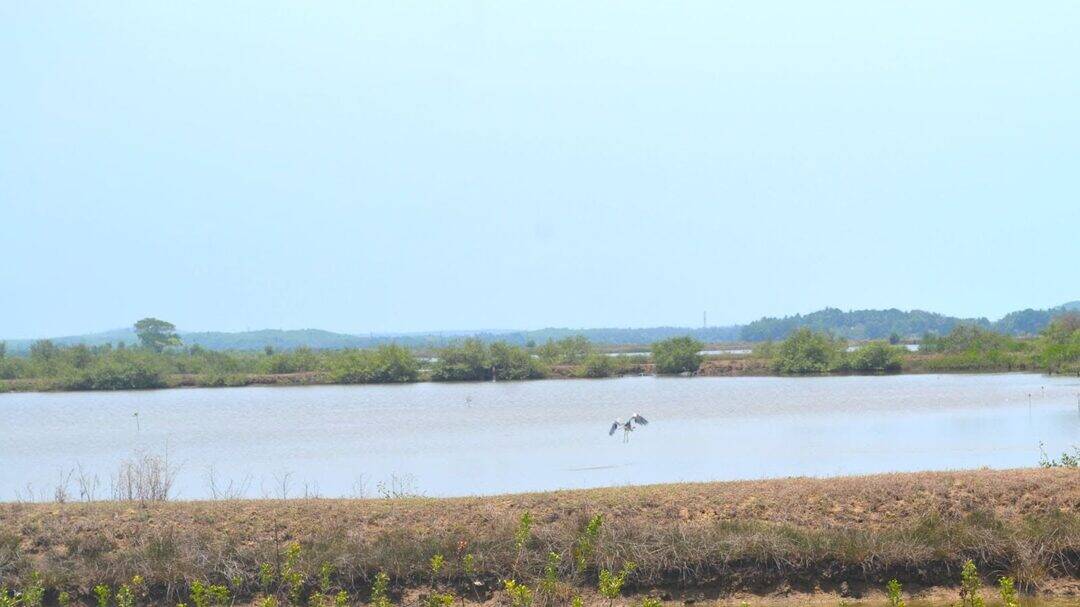
The Sentinel-2 system uses advanced satellite imaging technology to monitor India’s wetlands, which are crucial habitats for many plant and animal species. The study, which monitored 500 of India’s largest wetlands, revealed a disturbing trend: nearly 100 lakes, mostly in central and southern India, are experiencing a major decline in vital plant life. This decline is not only a threat to the biodiversity of these ecosystems but also has significant implications for the livelihoods of people who depend on these wetlands for fishing, agriculture, and other activities.
The Sentinel-2 system is a powerful tool for monitoring India’s wetlands and tracking changes in plant life over time. By using satellite imagery, scientists can identify areas where plant life is declining and take targeted conservation efforts to protect these ecosystems. The system can also be used to monitor the effectiveness of conservation efforts and make adjustments as needed.
One of the key advantages of the Sentinel-2 system is its ability to identify submerged plants with high accuracy. Submerged plants are an important component of wetland ecosystems, providing habitat and food for many aquatic species. However, they can be difficult to detect using traditional monitoring methods, which often rely on visual observations or sampling techniques. The Sentinel-2 system overcomes these limitations by using advanced satellite imaging technology to detect the presence of submerged plants.
The study, which used the Sentinel-2 system to monitor 500 of India’s largest wetlands, found that many of these ecosystems are experiencing significant declines in plant life. The results are alarming, with nearly 100 lakes showing major declines in vital plant life. The decline in plant life is not only a threat to biodiversity but also has significant implications for the livelihoods of people who depend on these wetlands for their livelihoods.
The decline in plant life in India’s wetlands is likely due to a combination of factors, including climate change, habitat destruction, and pollution. Climate change is altering the hydrology of many wetlands, leading to changes in water levels, temperature, and other environmental factors that can affect plant growth. Habitat destruction, such as the conversion of wetlands to agricultural land or urban development, is also a major threat to these ecosystems. Pollution, including the release of nutrients and other pollutants into wetlands, can also harm plant life and alter the balance of these ecosystems.
The results of the study using the Sentinel-2 system call for urgent climate actions to protect India’s wetlands and the biodiversity they support. The Indian government and other stakeholders must take immediate action to address the decline in plant life in these ecosystems and to protect the livelihoods of people who depend on them. This can include measures such as restoring habitats, reducing pollution, and promoting sustainable land-use practices.
In addition to its use in monitoring wetlands, the Sentinel-2 system has a range of other applications, including monitoring forests, grasslands, and other ecosystems. The system can be used to track changes in land use and land cover, monitor the health of ecosystems, and identify areas where conservation efforts are needed. The Sentinel-2 system is a powerful tool for protecting India’s biodiversity and promoting sustainable development.
In conclusion, the Sentinel-2 system is a powerful tool for protecting India’s biodiversity and promoting sustainable development. The system’s ability to identify submerged plants with high accuracy makes it an ideal tool for monitoring wetlands and tracking changes in plant life over time. The results of the study, which monitored 500 of India’s largest wetlands, are alarming and call for urgent climate actions to protect these ecosystems. The Indian government and other stakeholders must take immediate action to address the decline in plant life in India’s wetlands and to promote sustainable development.
The development of the Sentinel-2 system is a significant achievement for Indian scientists and demonstrates the country’s commitment to protecting its biodiversity. The system has the potential to make a significant impact on conservation efforts in India and to promote sustainable development. As the Indian government and other stakeholders work to protect the country’s biodiversity, the Sentinel-2 system will play an important role in monitoring ecosystems and tracking the effectiveness of conservation efforts.
About the Author