How does Sentinel-2 protect India’s biodiversity?
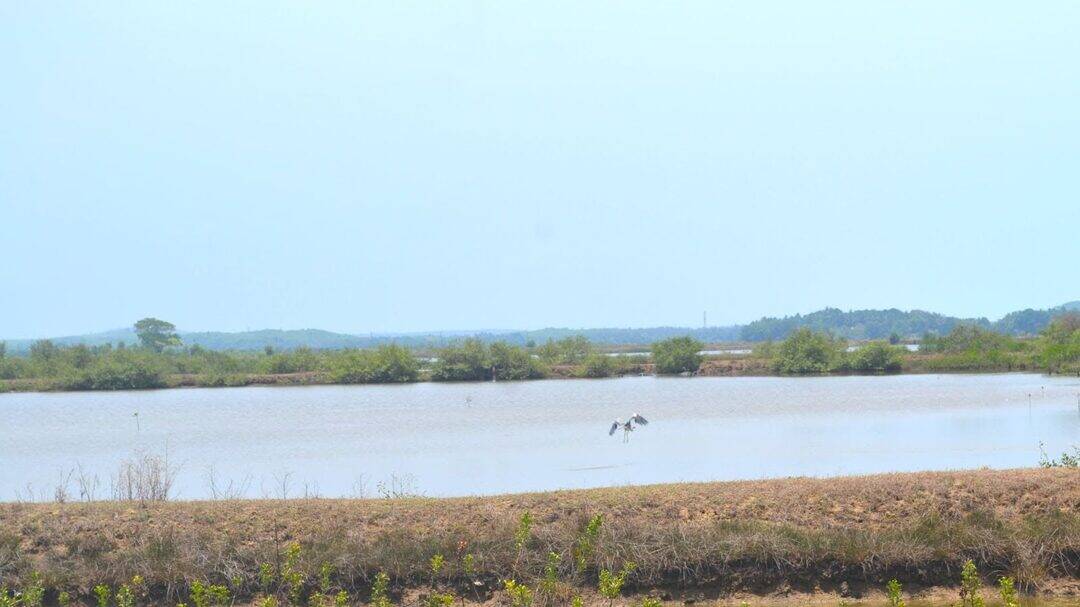
India, with its rich and diverse ecosystems, is home to a wide range of flora and fauna. The country’s wetlands, in particular, are crucial habitats for numerous plant and animal species, and play a vital role in maintaining the health of the environment. However, these ecosystems are facing numerous threats, including climate change, pollution, and human activities, which can lead to a decline in biodiversity. To address this issue, scientists at the Indian Space Research Organisation (ISRO), Indian Institute of Space Science and Technology (IIST), and Gujarat University have developed a new satellite mapping system, Sentinel-2, which can identify submerged plants with 94% accuracy.
The Sentinel-2 system has been used to monitor 500 of India’s largest wetlands, and the results are alarming. The study has found that nearly 100 lakes, mostly in central and southern India, are experiencing a major decline in vital plant life. This decline is a cause for concern, as plants are the primary producers of ecosystems, providing food and shelter for numerous animal species. The loss of plant life can have a cascading effect on the entire ecosystem, leading to a decline in biodiversity and ecosystem health.
The Sentinel-2 system uses advanced satellite imaging technology to map and monitor wetlands. The system is equipped with a high-resolution camera that can capture detailed images of the Earth’s surface, including wetlands. These images are then analyzed using specialized software to identify and classify different types of plants and vegetation. The system is particularly useful for monitoring submerged plants, which are often difficult to detect using traditional methods.
The study, which used the Sentinel-2 system to monitor 500 wetlands, found that many of these ecosystems are facing significant threats. The results showed that nearly 100 lakes are experiencing a decline in plant life, with some lakes losing up to 50% of their plant cover. The decline is attributed to a combination of factors, including climate change, pollution, and human activities such as deforestation and land conversion.
The findings of the study are a call to action for urgent climate actions. The decline of plant life in India’s wetlands is a symptom of a larger problem, and addressing this issue will require a comprehensive approach. The government, conservation organizations, and local communities must work together to protect and restore these ecosystems. This can involve measures such as reducing pollution, restoring habitats, and promoting sustainable land use practices.
The Sentinel-2 system is a powerful tool in the fight to protect India’s biodiversity. The system’s ability to identify submerged plants with 94% accuracy makes it an invaluable resource for conservation efforts. By using this technology, scientists and conservationists can monitor and track changes in wetland ecosystems, identifying areas that require urgent attention.
In addition to its use in monitoring wetlands, the Sentinel-2 system has a range of other applications. The system can be used to map and monitor other types of ecosystems, including forests, grasslands, and coral reefs. It can also be used to track changes in land use and land cover, which is essential for understanding the impacts of human activities on the environment.
The development of the Sentinel-2 system is a testament to the power of collaboration and innovation in addressing environmental challenges. The system is the result of a partnership between scientists at ISRO, IIST, and Gujarat University, and demonstrates the importance of interdisciplinary research and collaboration in addressing complex problems.
In conclusion, the Sentinel-2 system is a powerful tool in the fight to protect India’s biodiversity. The system’s ability to identify submerged plants with 94% accuracy makes it an invaluable resource for conservation efforts. The findings of the study, which used the Sentinel-2 system to monitor 500 of India’s largest wetlands, are a call to action for urgent climate actions. The decline of plant life in India’s wetlands is a symptom of a larger problem, and addressing this issue will require a comprehensive approach. By using the Sentinel-2 system, scientists and conservationists can monitor and track changes in wetland ecosystems, identifying areas that require urgent attention.
About the Author