How does Sentinel-2 protect India’s biodiversity?
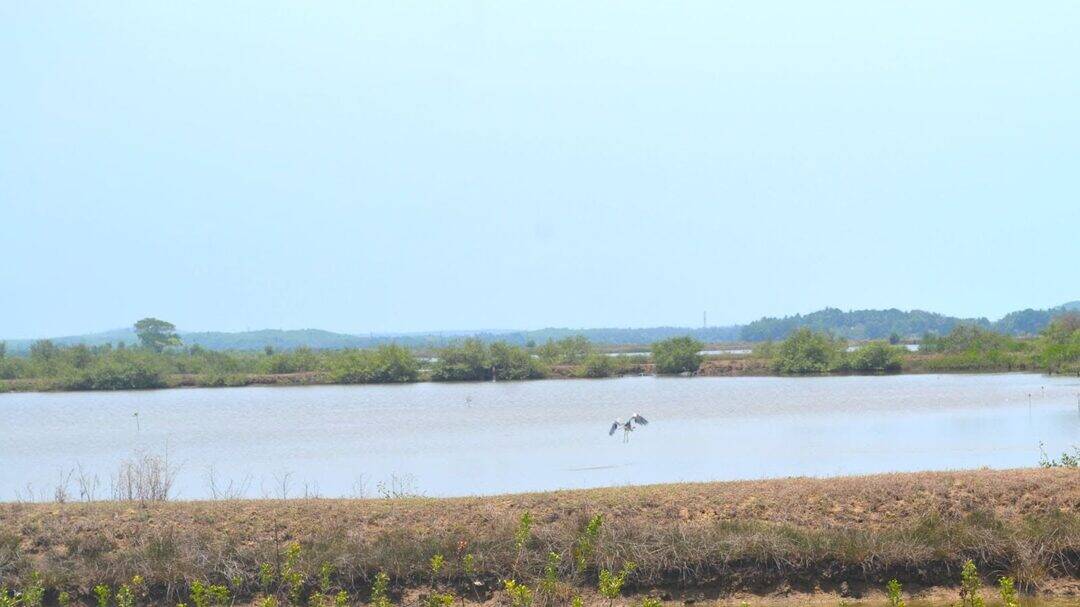
India, a country with a rich and diverse range of flora and fauna, is home to numerous wetlands that support a wide variety of plant and animal life. These wetlands, which include lakes, rivers, and marshes, play a crucial role in maintaining the country’s biodiversity. However, in recent years, many of these wetlands have faced significant threats due to climate change, pollution, and human activities. To monitor and protect these vital ecosystems, scientists at the Indian Space Research Organisation (ISRO), the Indian Institute of Space Technology (IIST), and Gujarat University have developed a new satellite mapping system, Sentinel-2.
The Sentinel-2 system uses advanced satellite technology to identify and monitor submerged plants in India’s wetlands. The system has been shown to be highly accurate, with a success rate of 94% in identifying these plants. This technology has been used to study 500 of India’s largest wetlands, providing valuable insights into the health and biodiversity of these ecosystems. The results of the study have highlighted the urgent need for climate action, as nearly 100 lakes, mostly in central and southern India, have seen a significant decline in vital plant life.
The Importance of Wetlands
Wetlands are some of the most diverse and productive ecosystems on the planet. They provide a range of essential services, including water filtration, flood control, and habitat for countless plant and animal species. In India, wetlands support a wide variety of aquatic life, including fish, birds, and other wildlife. They also play a crucial role in maintaining the country’s water cycle, with many wetlands serving as important sources of groundwater.
Despite their importance, India’s wetlands are facing numerous threats. Climate change, pollution, and human activities such as deforestation and urbanization have all taken a toll on these ecosystems. Many of India’s wetlands are experiencing declining water levels, reduced plant growth, and decreased biodiversity. This not only affects the plants and animals that depend on these ecosystems but also has significant implications for human communities that rely on them for fishing, agriculture, and other livelihoods.
The Sentinel-2 System
The Sentinel-2 system is a powerful tool for monitoring and protecting India’s wetlands. The system uses advanced satellite technology to collect high-resolution images of the Earth’s surface. These images are then analyzed using sophisticated algorithms to identify and map submerged plants in wetlands. The system has been shown to be highly accurate, with a success rate of 94% in identifying these plants.
The Sentinel-2 system has several advantages over traditional methods of monitoring wetlands. It allows for the rapid collection of data over large areas, making it possible to monitor hundreds of wetlands simultaneously. It also provides high-resolution images, allowing scientists to identify even small changes in plant growth and water levels. This information can be used to inform conservation efforts, identify areas that require restoration, and track the effectiveness of management strategies.
The Study’s Findings
The study using the Sentinel-2 system monitored 500 of India’s largest wetlands, providing valuable insights into the health and biodiversity of these ecosystems. The results highlighted the urgent need for climate action, as nearly 100 lakes, mostly in central and southern India, have seen a significant decline in vital plant life. This decline is likely due to a combination of factors, including climate change, pollution, and human activities such as deforestation and urbanization.
The study’s findings have significant implications for conservation efforts in India. They highlight the need for urgent action to protect the country’s wetlands and the plant and animal species that depend on them. This can include efforts to reduce pollution, restore degraded habitats, and promote sustainable land-use practices. The study also demonstrates the importance of using advanced technologies, such as the Sentinel-2 system, to monitor and manage these ecosystems.
Conclusion
The Sentinel-2 system is a powerful tool for protecting India’s biodiversity. By providing accurate and detailed information on the health and biodiversity of the country’s wetlands, it can inform conservation efforts and help to identify areas that require restoration. The study’s findings highlight the urgent need for climate action, and demonstrate the importance of using advanced technologies to monitor and manage these ecosystems. As India continues to face numerous environmental challenges, the Sentinel-2 system is an important step towards protecting the country’s rich and diverse natural heritage.
About the Author