How does Sentinel-2 protect India’s biodiversity?
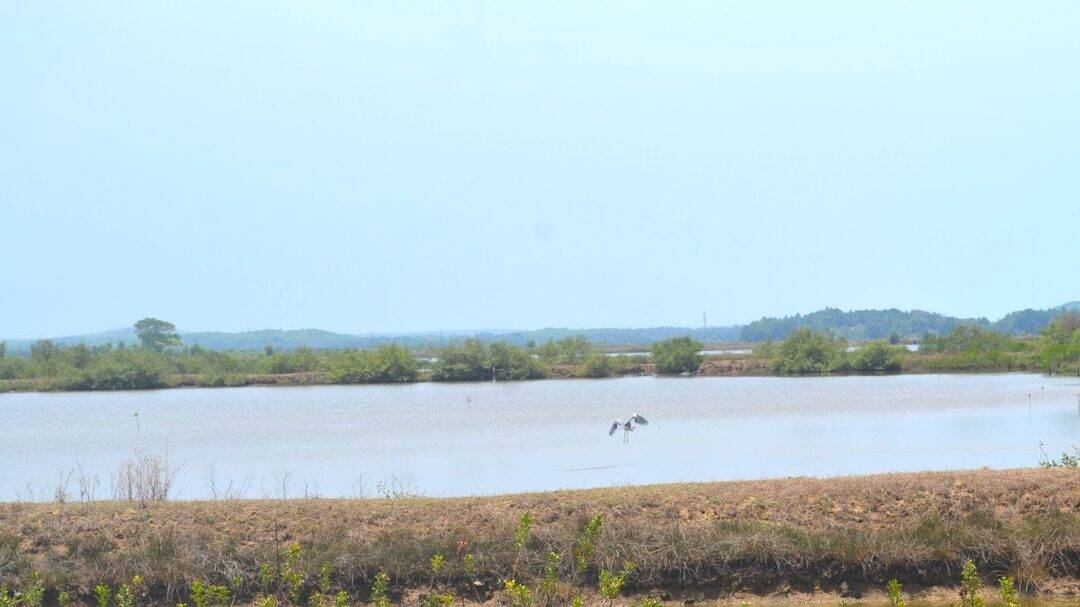
India is home to a diverse range of flora and fauna, with a rich biodiversity that is unmatched by few countries in the world. The country’s wetlands, in particular, are a vital component of its ecosystem, providing a habitat for numerous plant and animal species. However, these wetlands are facing numerous threats, including climate change, pollution, and human activities such as deforestation and urbanization. To monitor the health of these wetlands and protect India’s biodiversity, scientists at the Indian Space Research Organisation (ISRO), Indian Institute of Space Science and Technology (IIST), and Gujarat University have developed a new satellite mapping system, Sentinel-2.
Sentinel-2 is a cutting-edge technology that uses satellite imagery to identify and monitor submerged plants in wetlands. The system has been shown to be highly accurate, with a success rate of 94% in identifying these plants. This is a significant development, as submerged plants play a crucial role in maintaining the health of wetlands. They provide food and shelter for numerous animal species, help to maintain water quality, and prevent soil erosion. The loss of these plants can have severe consequences for the entire ecosystem, leading to a decline in biodiversity and the degradation of wetlands.
The study, which monitored 500 of India’s largest wetlands, used Sentinel-2 to track changes in plant life over time. The results were alarming, with nearly 100 lakes, mostly in central and southern India, showing a major decline in vital plant life. This decline is a clear indication of the impact of climate change and human activities on India’s wetlands. Rising temperatures, changing precipitation patterns, and increased evaporation due to climate change are all taking a toll on these delicate ecosystems.
The use of Sentinel-2 to monitor India’s wetlands is a significant step forward in the country’s efforts to protect its biodiversity. The technology provides a cost-effective and efficient way to track changes in plant life, allowing scientists and policymakers to take prompt action to address the decline of these ecosystems. By identifying areas where plant life is declining, conservation efforts can be targeted to those regions, helping to prevent further degradation and protect the numerous species that depend on these wetlands.
The development of Sentinel-2 is also a testament to the power of collaboration between different organizations and institutions. The partnership between ISRO, IIST, and Gujarat University has brought together experts from different fields, including space science, ecology, and conservation biology. This collaboration has enabled the development of a cutting-edge technology that has the potential to make a significant impact on India’s conservation efforts.
The findings of the study also highlight the need for urgent climate action. The decline of plant life in India’s wetlands is a clear indication of the impact of climate change on the country’s ecosystem. Rising temperatures, changing precipitation patterns, and increased evaporation are all taking a toll on these delicate ecosystems. To address this decline, it is essential that policymakers take prompt action to reduce greenhouse gas emissions and mitigate the effects of climate change.
In addition to the use of Sentinel-2, there are several other steps that can be taken to protect India’s wetlands and biodiversity. These include the implementation of conservation efforts, such as the restoration of degraded wetlands and the protection of areas with high conservation value. It is also essential to raise awareness about the importance of wetlands and the impact of human activities on these ecosystems. By working together, we can help to protect India’s biodiversity and preserve the country’s natural heritage for future generations.
In conclusion, the development of Sentinel-2 is a significant step forward in India’s efforts to protect its biodiversity. The technology has the potential to make a significant impact on the country’s conservation efforts, allowing scientists and policymakers to track changes in plant life and take prompt action to address the decline of these ecosystems. The findings of the study also highlight the need for urgent climate action, and it is essential that policymakers take prompt action to reduce greenhouse gas emissions and mitigate the effects of climate change. By working together, we can help to protect India’s wetlands and biodiversity, and preserve the country’s natural heritage for future generations.
About the Author