How does Sentinel-2 protect India’s biodiversity?
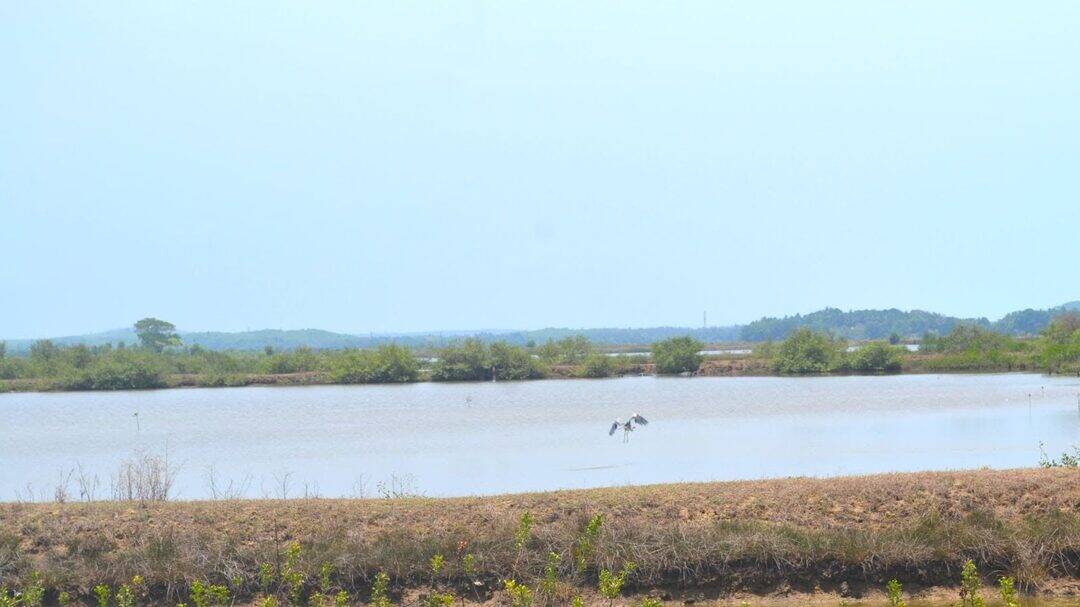
India is home to a diverse range of flora and fauna, with its wetlands being a crucial component of the country’s ecosystem. Wetlands provide a habitat for numerous plant and animal species, help regulate water cycles, and support the livelihoods of millions of people. However, these vital ecosystems are facing numerous threats, including climate change, pollution, and human activities such as deforestation and urbanization. To monitor and protect India’s wetlands, scientists at the Indian Space Research Organisation (ISRO), Indian Institute of Space Technology (IIST), and Gujarat University have developed a new satellite mapping system, Sentinel-2. This innovative technology has the ability to identify submerged plants with 94% accuracy, providing valuable insights into the health of India’s wetlands.
The Sentinel-2 system was used to monitor 500 of India’s largest wetlands, covering an area of over 3.5 million hectares. The study, which was conducted over a period of several years, revealed some alarming trends. Nearly 100 lakes, mostly located in central and southern India, showed a significant decline in vital plant life. This decline is not only a threat to the biodiversity of these ecosystems but also has serious implications for the people who depend on them for their livelihoods. The study’s findings highlight the need for urgent climate action to protect India’s wetlands and the plant life that inhabits them.
The Sentinel-2 system uses advanced satellite imaging technology to collect data on the health of wetlands. The system is equipped with a high-resolution camera that can capture detailed images of the Earth’s surface, including the presence and density of plant life. This data is then analyzed using sophisticated algorithms to identify areas where plant life is declining or under threat. The system’s ability to identify submerged plants with 94% accuracy is a significant improvement over traditional monitoring methods, which often rely on manual surveys and can be time-consuming and expensive.
The study’s findings have significant implications for India’s conservation efforts. The decline of plant life in the country’s wetlands is a warning sign that these ecosystems are under stress. If left unchecked, this decline could have serious consequences for the biodiversity of these ecosystems, as well as the people who depend on them for their livelihoods. The study’s authors are calling for urgent action to protect India’s wetlands, including the implementation of conservation measures such as habitat restoration and sustainable land-use practices.
The development of the Sentinel-2 system is a significant achievement for Indian scientists, who have been at the forefront of efforts to develop new technologies for monitoring and protecting the country’s environment. The system’s ability to provide high-resolution data on the health of wetlands makes it a valuable tool for conservation efforts, and its potential applications extend far beyond India’s borders. The system could be used to monitor wetlands in other parts of the world, providing valuable insights into the health of these ecosystems and the impacts of climate change.
The study’s findings also highlight the importance of international cooperation in addressing the global climate crisis. Climate change is a global problem that requires a global response, and the development of new technologies like the Sentinel-2 system is a critical component of this response. By working together, scientists and policymakers from around the world can develop new solutions to the climate crisis, including the protection of vital ecosystems like wetlands.
In conclusion, the Sentinel-2 system is a powerful tool for protecting India’s biodiversity. Its ability to identify submerged plants with 94% accuracy makes it a valuable asset for conservation efforts, and its potential applications extend far beyond India’s borders. The study’s findings highlight the need for urgent climate action to protect India’s wetlands and the plant life that inhabits them. As the world continues to grapple with the challenges of climate change, the development of new technologies like the Sentinel-2 system will be critical in addressing this global problem.
The Indian government has been taking steps to protect the country’s wetlands, including the implementation of conservation measures such as the Wetlands (Conservation and Management) Rules, 2017. However, more needs to be done to address the decline of plant life in these ecosystems. The study’s authors are calling for increased funding for conservation efforts, as well as greater public awareness of the importance of wetlands and the threats they face.
The Sentinel-2 system is a significant step forward in the protection of India’s wetlands, and its potential applications extend far beyond the country’s borders. As the world continues to grapple with the challenges of climate change, the development of new technologies like this system will be critical in addressing this global problem. By working together, scientists and policymakers from around the world can develop new solutions to the climate crisis, including the protection of vital ecosystems like wetlands.
About the Author