How does Sentinel-2 protect India’s biodiversity?
India is home to a diverse range of ecosystems, including wetlands, forests, and grasslands, which support a vast array of plant and animal species. However, the country’s biodiversity is facing numerous threats, including climate change, habitat destruction, and pollution. To mitigate these threats, scientists at the Indian Space Research Organisation (ISRO), Indian Institute of Space Science and Technology (IIST), and Gujarat University have developed a new satellite mapping system, Sentinel-2, which can identify submerged plants with 94% accuracy.
The Sentinel-2 system uses advanced satellite imaging technology to monitor the health of India’s wetlands, which are crucial ecosystems that provide habitat for a wide range of plant and animal species. The system has been used to monitor 500 of India’s largest wetlands, and the results are alarming. Nearly 100 lakes, mostly in central and southern India, have seen a major decline in vital plant life, highlighting the need for urgent climate action.
The importance of wetlands
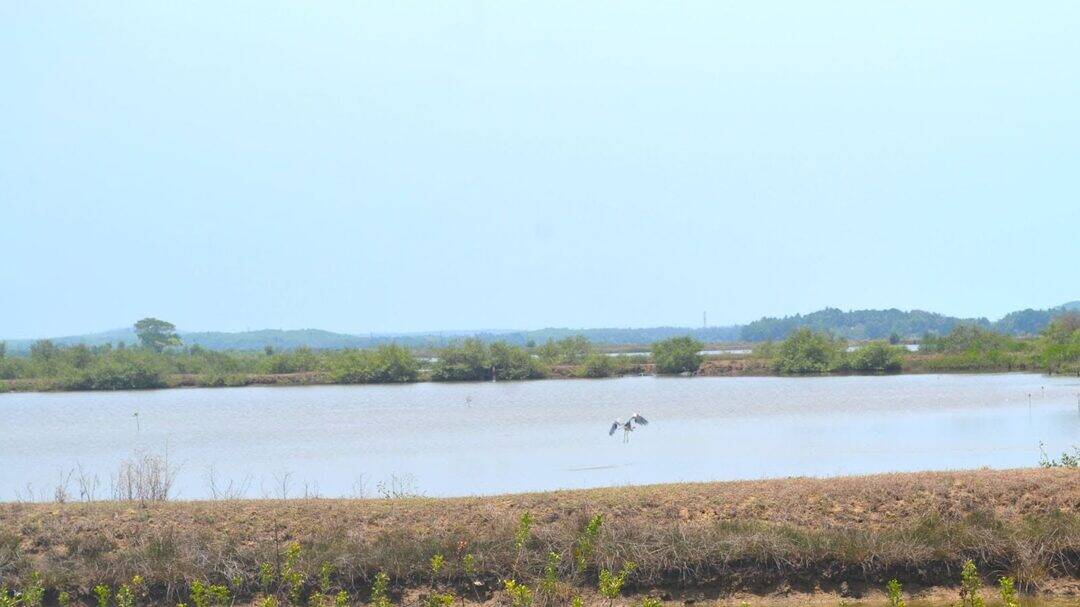
Wetlands are ecosystems that are saturated with water, either permanently or seasonally, and are found in a wide range of locations, including rivers, lakes, and coastal areas. They are crucial for maintaining biodiversity, as they provide habitat for a wide range of plant and animal species. Wetlands also play a critical role in regulating the water cycle, filtering out pollutants, and preventing soil erosion.
In India, wetlands are home to a wide range of plant species, including aquatic plants, grasses, and trees. These plants provide food and shelter for a wide range of animal species, including birds, fish, and mammals. Wetlands also support commercial fisheries, agriculture, and tourism, making them an important part of India’s economy.
The decline of plant life in Indian wetlands
The Sentinel-2 system has revealed a disturbing decline in plant life in many of India’s wetlands. The study found that nearly 100 lakes, mostly in central and southern India, have seen a significant decline in vital plant life. This decline is likely due to a combination of factors, including climate change, pollution, and habitat destruction.
Climate change is altering the water cycle, leading to changes in water levels, temperature, and chemistry. This can make it difficult for plants to survive, leading to a decline in plant life. Pollution, including agricultural runoff and industrial waste, can also harm plant life by altering the water chemistry and reducing the availability of light and nutrients.
Habitat destruction, including the conversion of wetlands to agricultural land or urban development, can also lead to a decline in plant life. When wetlands are destroyed or degraded, the plants that depend on them are lost, leading to a decline in biodiversity.
The Sentinel-2 system
The Sentinel-2 system uses advanced satellite imaging technology to monitor the health of India’s wetlands. The system can identify submerged plants with 94% accuracy, making it a powerful tool for monitoring the health of these ecosystems.
The system works by using a combination of satellite images and machine learning algorithms to identify the types of plants present in a wetland. The satellite images are taken at regular intervals, allowing scientists to track changes in plant life over time.
The Sentinel-2 system has been used to monitor 500 of India’s largest wetlands, and the results are being used to inform conservation efforts. The system can help identify areas that are most in need of conservation, and can provide valuable insights into the impacts of climate change, pollution, and habitat destruction on these ecosystems.
Conservation efforts
The decline of plant life in Indian wetlands is a pressing concern that requires urgent action. The Sentinel-2 system provides a powerful tool for monitoring the health of these ecosystems, and can help inform conservation efforts.
Conservation efforts should focus on protecting and restoring wetlands, as well as reducing the impacts of climate change, pollution, and habitat destruction. This can involve a range of activities, including the creation of protected areas, the restoration of degraded habitats, and the implementation of sustainable land-use practices.
The Indian government has launched several initiatives to conserve and protect the country’s wetlands. The Wetland Conservation and Management Rules, 2017, provide a framework for the conservation and management of wetlands, and the National Wetland Conservation Programme provides funding and technical support for wetland conservation efforts.
Conclusion
The Sentinel-2 system is a powerful tool for monitoring the health of India’s wetlands, and has revealed a disturbing decline in plant life in many of these ecosystems. The decline of plant life in Indian wetlands is a pressing concern that requires urgent action, and conservation efforts should focus on protecting and restoring these ecosystems.
The Sentinel-2 system can help inform conservation efforts, and can provide valuable insights into the impacts of climate change, pollution, and habitat destruction on these ecosystems. By using this system, scientists and conservationists can work together to protect India’s wetlands, and the many plant and animal species that depend on them.
About the Author