How does Sentinel-2 protect India’s biodiversity?
India is home to a diverse range of ecosystems, including wetlands, forests, and grasslands, which support a wide variety of plant and animal life. However, the country’s biodiversity is facing numerous threats, including climate change, habitat destruction, and pollution. To mitigate these threats, scientists at the Indian Space Research Organisation (ISRO), Indian Institute of Space Science and Technology (IIST), and Gujarat University have developed a new satellite mapping system, Sentinel-2, which can identify submerged plants with 94% accuracy.
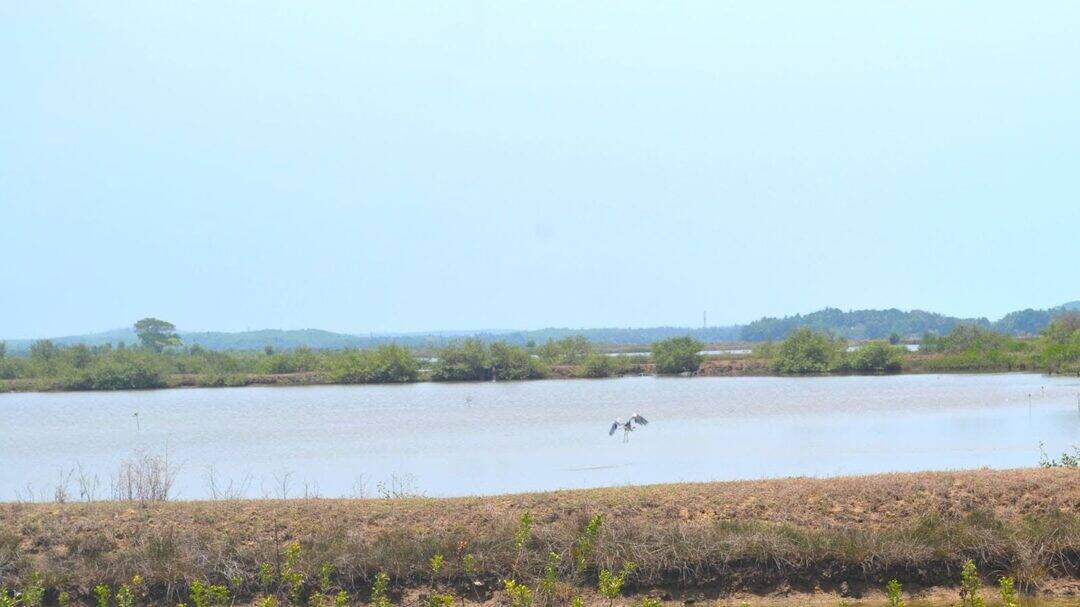
The Sentinel-2 system uses advanced satellite imaging technology to monitor the health of India’s wetlands, which are crucial ecosystems that provide habitat for a wide range of plant and animal species. The study, which monitored 500 of India’s largest wetlands, revealed alarming results, with nearly 100 lakes, mostly in central and southern India, seeing a major decline in vital plant life. This decline is a clear indication of the impact of climate change and human activities on India’s biodiversity.
The Sentinel-2 system is a significant improvement over traditional methods of monitoring wetland health, which often rely on manual surveys and sampling. The satellite-based system provides a more accurate and comprehensive picture of the health of India’s wetlands, allowing scientists to identify areas that require urgent conservation efforts. The system can also track changes in plant life over time, enabling scientists to monitor the effectiveness of conservation efforts and make data-driven decisions.
The study’s findings have significant implications for India’s biodiversity and highlight the need for urgent climate action. The decline in plant life in India’s wetlands is not only a threat to the ecosystems themselves but also has significant consequences for the people who depend on them for their livelihoods. Wetlands provide a range of ecosystem services, including water filtration, flood control, and fish production, which are essential for human well-being.
The use of Sentinel-2 technology has the potential to revolutionize the way India monitors and manages its wetlands. By providing accurate and up-to-date information on the health of these ecosystems, the system can inform conservation efforts and help to protect India’s biodiversity. The technology can also be used to monitor other ecosystems, including forests and grasslands, providing a comprehensive picture of the health of India’s natural environments.
The development of Sentinel-2 is a testament to the power of collaboration and innovation in addressing the complex challenges facing India’s biodiversity. The partnership between ISRO, IIST, and Gujarat University has brought together experts from a range of disciplines, including remote sensing, ecology, and conservation biology, to develop a cutting-edge technology that has the potential to make a significant impact on India’s environmental management.
In addition to its potential to inform conservation efforts, the Sentinel-2 system can also be used to support sustainable development initiatives. By providing accurate information on the health of India’s wetlands, the system can help to identify areas that are suitable for sustainable agriculture, fishing, and other activities that depend on healthy ecosystems. This can help to promote economic development while also protecting the environment.
The study’s findings also highlight the need for greater awareness and education about the importance of India’s wetlands and the threats they face. The decline in plant life in these ecosystems is often invisible to the naked eye, making it difficult for people to understand the scale and urgency of the problem. By raising awareness about the importance of wetlands and the impact of human activities on these ecosystems, we can build a broader coalition of support for conservation efforts and promote more sustainable management of India’s natural resources.
In conclusion, the Sentinel-2 system is a powerful tool for protecting India’s biodiversity and promoting sustainable development. By providing accurate and up-to-date information on the health of India’s wetlands, the system can inform conservation efforts, support sustainable development initiatives, and raise awareness about the importance of these ecosystems. As India continues to face numerous environmental challenges, the development of innovative technologies like Sentinel-2 is a reminder of the power of science and collaboration to address these challenges and promote a more sustainable future.
The study’s findings are a call to action, highlighting the need for urgent climate action to protect India’s biodiversity. By working together to develop and deploy innovative technologies like Sentinel-2, we can build a more sustainable future for India and promote the conservation of its natural environments.
News source: https://researchmatters.in/news/satellite-monitoring-reveals-declining-plant-life-hundreds-indian-wetlands
About the Author