How does Sentinel-2 protect India’s biodiversity?
India is home to a vast and diverse range of ecosystems, from the majestic Himalayas to the vibrant wetlands of the south. These ecosystems are not only crucial for maintaining the country’s biodiversity but also provide essential services like clean water, air, and food. However, India’s natural heritage is facing numerous threats, including climate change, pollution, and human activities like deforestation and urbanization. To combat these challenges, scientists at the Indian Space Research Organisation (ISRO), Indian Institute of Space Science and Technology (IIST), and Gujarat University have developed a groundbreaking satellite mapping system, Sentinel-2.
Sentinel-2 is a cutting-edge technology that can identify submerged plants with an impressive accuracy of 94%. This innovative system has been used to monitor 500 of India’s largest wetlands, providing valuable insights into the health of these critical ecosystems. The study’s findings are alarming, with nearly 100 lakes, mostly in central and southern India, experiencing a significant decline in vital plant life. This trend is a stark reminder of the urgent need for climate action to protect India’s biodiversity.
The Importance of Wetlands
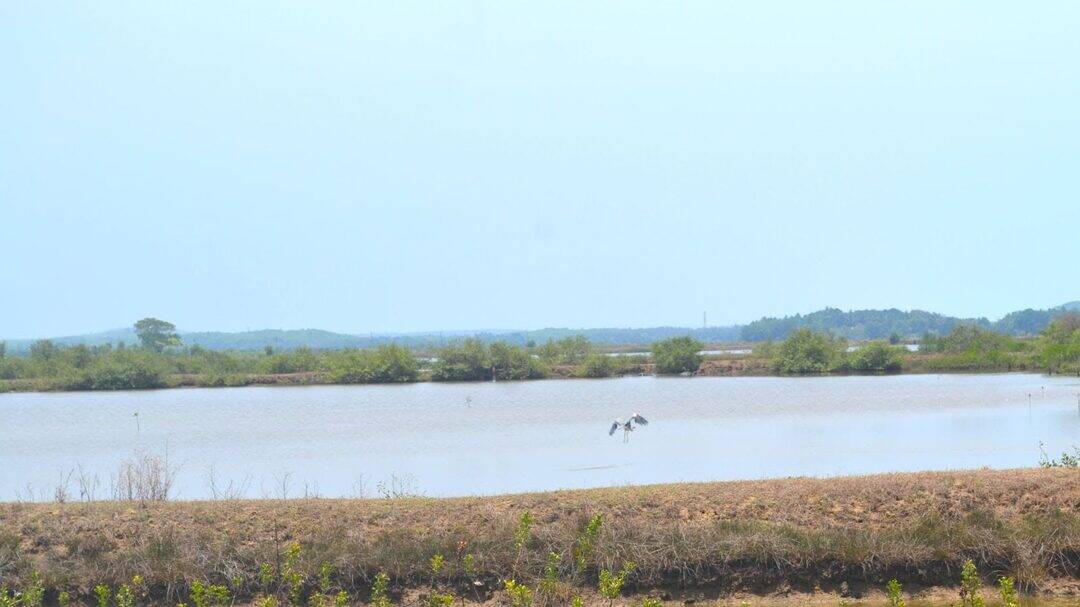
Wetlands are some of the most productive and diverse ecosystems on the planet. They provide habitat for a wide range of plant and animal species, many of which are found nowhere else. Wetlands also play a crucial role in maintaining water quality, preventing floods, and supporting agriculture. In India, wetlands are a vital part of the country’s natural heritage, with many communities relying on them for their livelihood.
Despite their importance, wetlands are facing numerous threats. Climate change is altering the delicate balance of these ecosystems, leading to changes in water levels, temperature, and vegetation. Human activities like deforestation, urbanization, and pollution are also taking a toll on India’s wetlands. The result is a decline in biodiversity, reduced water quality, and decreased ecosystem services.
The Sentinel-2 System
The Sentinel-2 system is a powerful tool in the fight to protect India’s wetlands. Developed by scientists at ISRO, IIST, and Gujarat University, this satellite mapping system uses advanced imaging technology to identify submerged plants. The system’s high accuracy rate of 94% makes it an invaluable resource for monitoring the health of India’s wetlands.
The Sentinel-2 system works by analyzing satellite images of wetlands, identifying areas with submerged plant life. This information is then used to create detailed maps of the wetlands, highlighting areas of concern. The system can also track changes in plant life over time, providing valuable insights into the impacts of climate change and human activities.
Findings and Implications
The study using the Sentinel-2 system monitored 500 of India’s largest wetlands, providing a comprehensive overview of the country’s wetland health. The findings are alarming, with nearly 100 lakes, mostly in central and southern India, experiencing a significant decline in vital plant life. This trend is a stark reminder of the urgent need for climate action to protect India’s biodiversity.
The decline in plant life has significant implications for the health of India’s wetlands. Plants play a crucial role in maintaining water quality, preventing erosion, and supporting aquatic life. Without them, wetlands are more vulnerable to pollution, sedimentation, and other threats. The loss of plant life also has a ripple effect throughout the ecosystem, impacting the many species that depend on these plants for food and habitat.
Call to Action
The findings of the Sentinel-2 study are a call to action for urgent climate action to protect India’s biodiversity. The Indian government, conservation organizations, and local communities must work together to address the challenges facing the country’s wetlands. This includes implementing policies to reduce pollution, prevent deforestation, and promote sustainable land use practices.
The Sentinel-2 system is a powerful tool in this effort, providing valuable insights into the health of India’s wetlands. By continuing to monitor the country’s wetlands using this system, scientists and conservationists can track changes over time, identifying areas of concern and developing targeted conservation strategies.
Conclusion
The Sentinel-2 system is a groundbreaking technology that is helping to protect India’s biodiversity. By identifying submerged plants with high accuracy, this system is providing valuable insights into the health of the country’s wetlands. The findings of the study are alarming, with many lakes experiencing a significant decline in vital plant life. However, with the help of the Sentinel-2 system, conservationists and policymakers can work together to address these challenges, promoting the long-term health of India’s wetlands and the many species that depend on them.
For more information on this topic, please visit: https://researchmatters.in/news/satellite-monitoring-reveals-declining-plant-life-hundreds-indian-wetlands
About the Author