How does Sentinel-2 protect India’s biodiversity?
India is home to a vast and diverse range of ecosystems, including forests, grasslands, and wetlands, which support a wide variety of plant and animal species. However, the country’s biodiversity is facing numerous threats, including climate change, habitat destruction, and pollution. To combat these threats, scientists at the Indian Space Research Organisation (ISRO), the Indian Institute of Space Technology (IIST), and Gujarat University have developed a new satellite mapping system, Sentinel-2, which can identify submerged plants with 94% accuracy.
The Sentinel-2 system was used to monitor 500 of India’s largest wetlands, and the results are alarming. Nearly 100 lakes, mostly in central and southern India, have seen a major decline in vital plant life. This decline is a cause for concern, as wetlands play a crucial role in supporting biodiversity, regulating water cycles, and mitigating the effects of climate change. The study’s findings call for urgent climate actions to protect India’s wetlands and the plant and animal species that depend on them.
The Importance of Wetlands
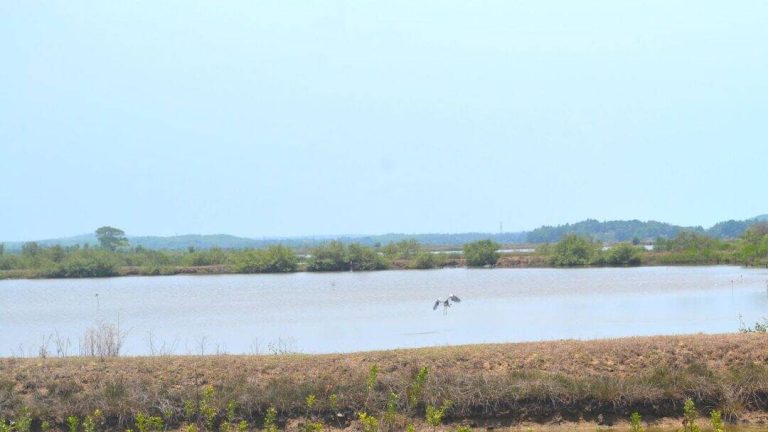
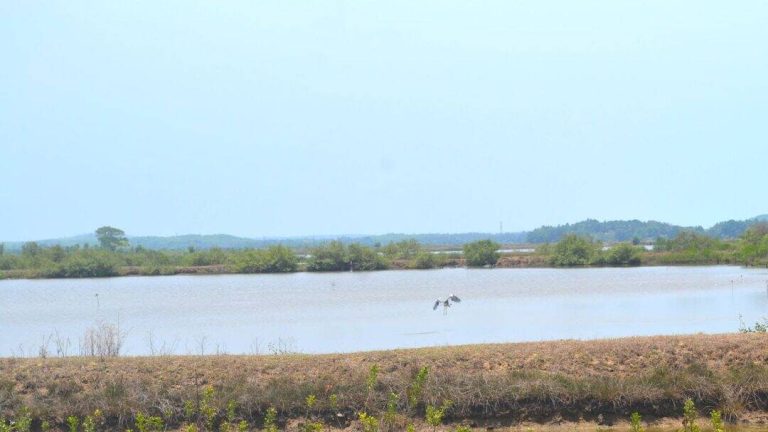
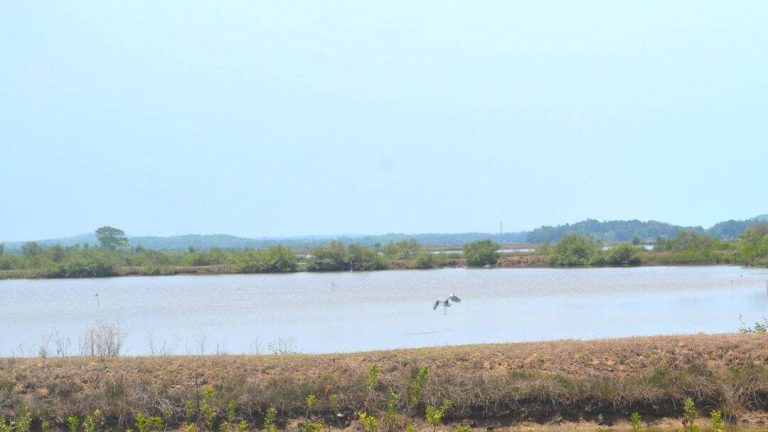
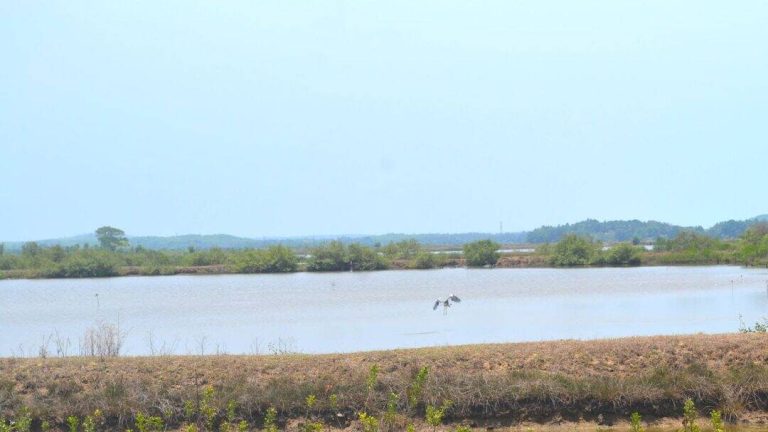
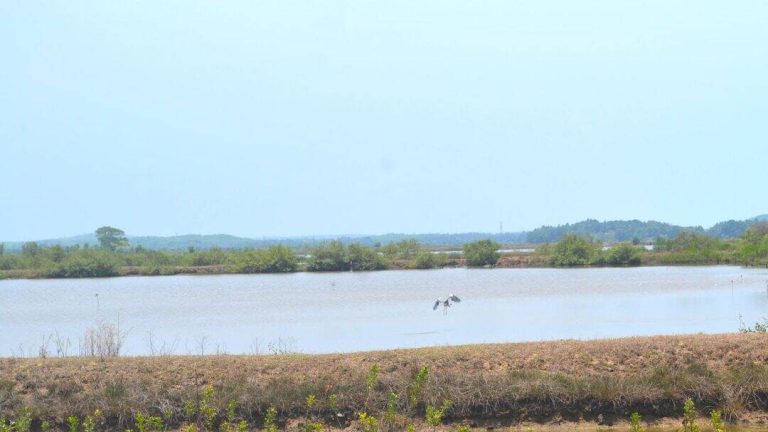
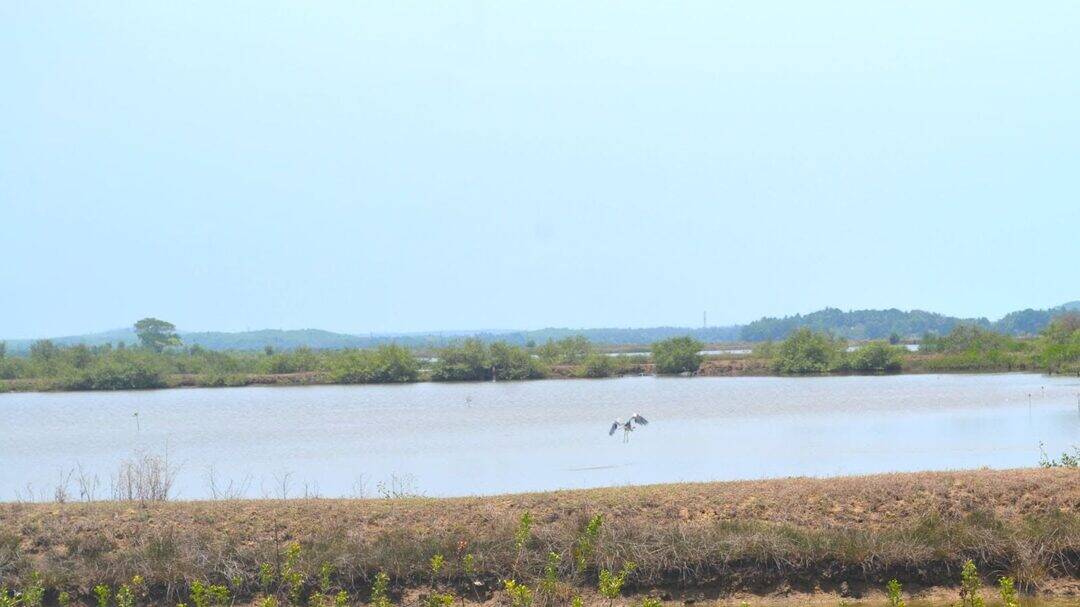
Wetlands are ecosystems that are saturated with water, either permanently or seasonally, and support a wide variety of plant and animal species. They play a crucial role in maintaining biodiversity, as they provide habitat for numerous species of plants, animals, and microorganisms. Wetlands also help to regulate water cycles, prevent flooding, and maintain water quality. In addition, they support fisheries, agriculture, and tourism, and are an important source of livelihood for many communities.
Despite their importance, wetlands are facing numerous threats, including habitat destruction, pollution, and climate change. The construction of dams, canals, and other infrastructure has altered the natural flow of water, leading to the degradation of wetland ecosystems. Pollution from agricultural runoff, industrial effluent, and domestic waste has also had a significant impact on wetland ecosystems, leading to the decline of plant and animal species.
The Sentinel-2 System
The Sentinel-2 system is a satellite mapping system that uses advanced technology to identify submerged plants with 94% accuracy. The system was developed by scientists at ISRO, IIST, and Gujarat University, and was used to monitor 500 of India’s largest wetlands. The system uses a combination of satellite imagery and machine learning algorithms to identify and classify different types of vegetation.
The Sentinel-2 system has several advantages over traditional methods of monitoring wetland ecosystems. It can cover large areas quickly and efficiently, and can provide detailed information about the types of vegetation present. The system can also be used to monitor changes in wetland ecosystems over time, allowing scientists to track the impact of climate change and other threats.
The Study’s Findings
The study’s findings are alarming, with nearly 100 lakes, mostly in central and southern India, seeing a major decline in vital plant life. The decline of plant life in these lakes is a cause for concern, as it can have a significant impact on the entire ecosystem. Plants play a crucial role in supporting biodiversity, as they provide food and habitat for numerous species of animals.
The study’s findings also highlight the need for urgent climate actions to protect India’s wetlands. Climate change is having a significant impact on wetland ecosystems, with rising temperatures and changing precipitation patterns altering the natural flow of water. The construction of dams, canals, and other infrastructure has also altered the natural flow of water, leading to the degradation of wetland ecosystems.
Conservation Efforts
To protect India’s wetlands and the plant and animal species that depend on them, conservation efforts are necessary. The government, NGOs, and local communities must work together to protect and restore wetland ecosystems. This can involve the creation of protected areas, such as national parks and wildlife sanctuaries, as well as the implementation of sustainable land-use practices.
In addition, efforts must be made to reduce pollution and climate change. This can involve the implementation of policies to reduce greenhouse gas emissions, as well as the promotion of sustainable agriculture and waste management practices. The use of advanced technologies, such as the Sentinel-2 system, can also help to monitor and manage wetland ecosystems.
Conclusion
In conclusion, the Sentinel-2 system is a powerful tool for protecting India’s biodiversity. The system’s ability to identify submerged plants with 94% accuracy makes it an invaluable resource for monitoring wetland ecosystems. The study’s findings highlight the need for urgent climate actions to protect India’s wetlands, and conservation efforts are necessary to protect and restore these ecosystems.
The decline of plant life in India’s wetlands is a cause for concern, and efforts must be made to address this issue. The government, NGOs, and local communities must work together to protect and restore wetland ecosystems, and the use of advanced technologies, such as the Sentinel-2 system, can help to monitor and manage these ecosystems. By working together, we can help to protect India’s biodiversity and ensure the long-term health of our planet.
News Source: https://researchmatters.in/news/satellite-monitoring-reveals-declining-plant-life-hundreds-indian-wetlands
About the Author