How does Sentinel-2 protect India’s biodiversity?
India, a country known for its rich biodiversity, is home to a wide range of ecosystems, including wetlands, forests, and grasslands. These ecosystems not only provide habitat for numerous plant and animal species but also play a crucial role in maintaining the country’s ecological balance. However, India’s biodiversity is facing numerous threats, including climate change, habitat destruction, and pollution. To mitigate these threats and protect India’s biodiversity, scientists at the Indian Space Research Organisation (ISRO), Indian Institute of Space Technology (IIST), and Gujarat University have developed a new satellite mapping system, Sentinel-2.
The Sentinel-2 satellite mapping system is a cutting-edge technology that uses satellite imagery to monitor and track changes in plant life in India’s wetlands. The system is equipped with advanced sensors that can identify submerged plants with an impressive accuracy of 94%. This technology has been used to monitor 500 of India’s largest wetlands, providing valuable insights into the health and status of these ecosystems.
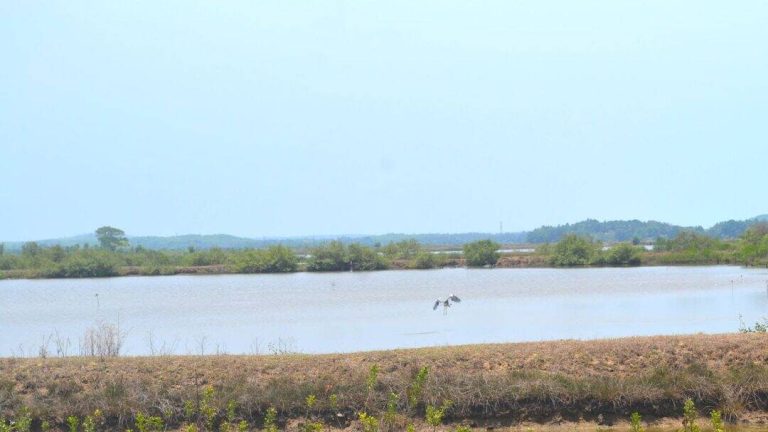
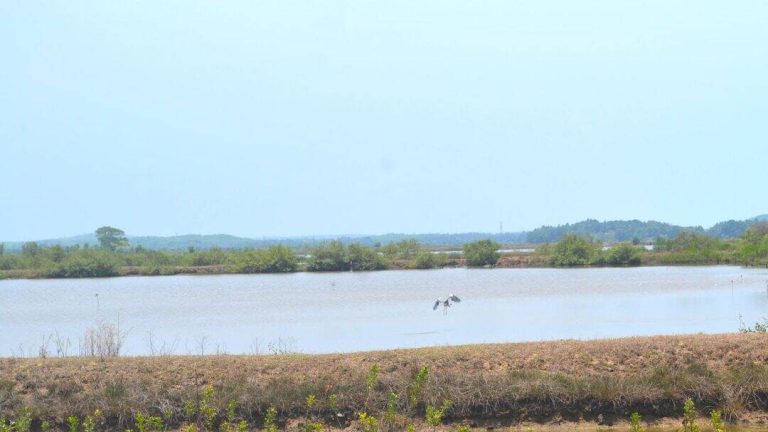
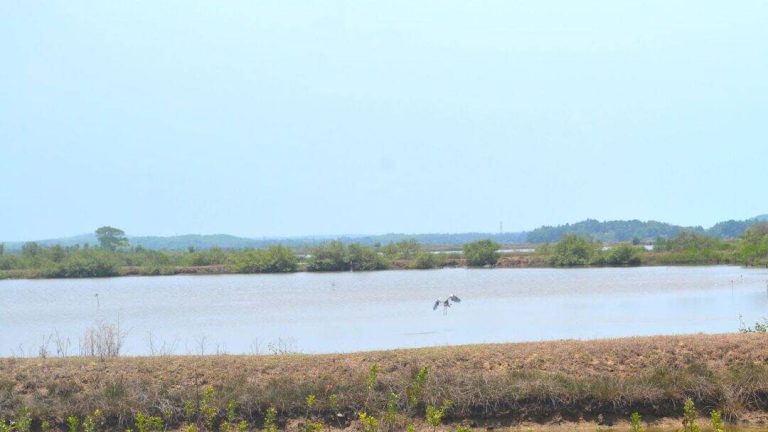
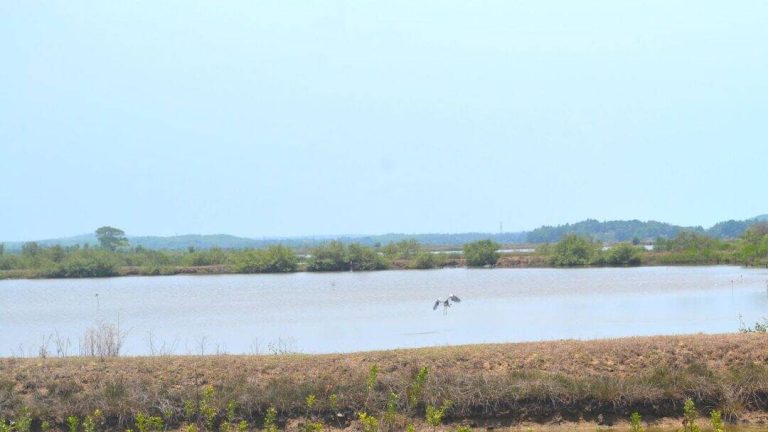
The study, which used the Sentinel-2 satellite mapping system, revealed some alarming trends. Nearly 100 lakes, mostly in central and southern India, have seen a significant decline in vital plant life. This decline is a cause for concern, as plants play a crucial role in maintaining the ecological balance of wetlands. They provide food and shelter for numerous animal species, help to maintain water quality, and prevent soil erosion.
The decline in plant life in India’s wetlands can be attributed to several factors, including climate change, pollution, and human activities such as over-extraction of water and encroachment of land. Climate change, in particular, has had a devastating impact on India’s wetlands. Rising temperatures and changing precipitation patterns have altered the water levels and water quality of these ecosystems, making it difficult for plants to survive.
The study’s findings call for urgent climate actions to protect India’s biodiversity. The decline in plant life in India’s wetlands is not only a threat to the ecosystems themselves but also has significant implications for the country’s economy and human well-being. Wetlands provide numerous ecosystem services, including water filtration, flood control, and fisheries, which are essential for human livelihoods.
The use of Sentinel-2 satellite mapping system is a significant step forward in monitoring and protecting India’s biodiversity. The technology provides a cost-effective and efficient way to track changes in plant life in India’s wetlands, allowing scientists and policymakers to take timely and informed decisions to protect these ecosystems.
The study’s findings also highlight the importance of conservation efforts to protect India’s wetlands. The government, civil society, and local communities must work together to protect these ecosystems from human activities that harm them. This can include measures such as restoring degraded wetlands, reducing pollution, and promoting sustainable water management practices.
In addition, the study’s findings emphasize the need for more research on the impacts of climate change on India’s biodiversity. Climate change is a complex and multifaceted issue that requires a comprehensive and coordinated response. Scientists, policymakers, and stakeholders must work together to develop and implement effective strategies to mitigate the impacts of climate change on India’s ecosystems.
In conclusion, the Sentinel-2 satellite mapping system is a powerful tool for protecting India’s biodiversity. The technology provides valuable insights into the health and status of India’s wetlands, allowing scientists and policymakers to take timely and informed decisions to protect these ecosystems. The study’s findings call for urgent climate actions to protect India’s biodiversity, and it is essential that the government, civil society, and local communities work together to conserve and protect the country’s wetlands.
The development of the Sentinel-2 satellite mapping system is a testament to India’s capabilities in space technology and its commitment to protecting the country’s biodiversity. The technology has the potential to be used in other ecosystems, including forests and grasslands, to monitor and track changes in plant life. As India continues to face numerous environmental challenges, the use of cutting-edge technologies like Sentinel-2 will be essential in protecting the country’s biodiversity and promoting sustainable development.
About the Author