How does Sentinel-2 protect India’s biodiversity?
India is home to a diverse range of ecosystems, from the Himalayan mountains to the mangrove forests of the Sundarbans, and from the deserts of Rajasthan to the backwaters of Kerala. The country’s rich biodiversity is supported by a network of wetlands, which provide habitat for a wide variety of plants and animals. However, these ecosystems are facing numerous threats, including climate change, pollution, and human activities such as deforestation and overfishing. To monitor and protect these ecosystems, scientists at the Indian Space Research Organisation (ISRO), Indian Institute of Space Science and Technology (IIST), and Gujarat University have developed a new satellite mapping system, Sentinel-2.
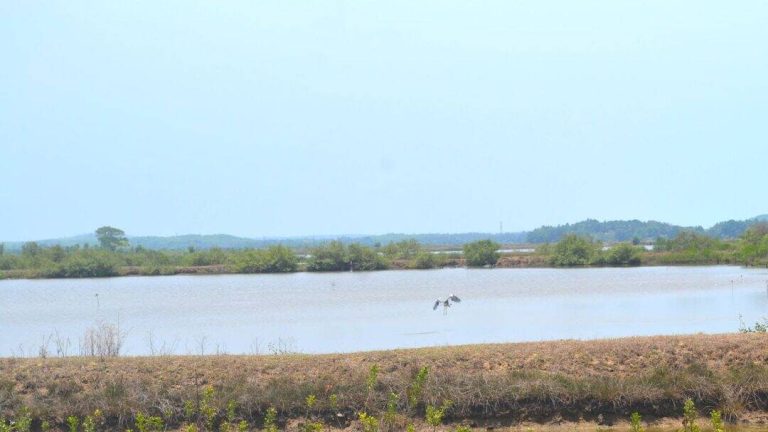
Sentinel-2 is a satellite-based system that uses advanced imaging technology to monitor the health of India’s wetlands. The system is capable of identifying submerged plants with an accuracy of 94%, making it a powerful tool for monitoring the health of aquatic ecosystems. In a recent study, the scientists used Sentinel-2 to monitor 500 of India’s largest wetlands, and the results are alarming. The study found that nearly 100 lakes, mostly in central and southern India, are experiencing a major decline in vital plant life.
The decline of plant life in India’s wetlands is a cause for concern, as these ecosystems provide numerous benefits to both the environment and human societies. Wetlands help to regulate the water cycle, prevent flooding, and maintain water quality. They also provide habitat for a wide variety of plants and animals, many of which are found nowhere else in the world. Furthermore, wetlands support commercial fisheries, agriculture, and tourism, making them an important part of India’s economy.
The Sentinel-2 system uses a combination of satellite imagery and machine learning algorithms to identify and classify submerged plants. The system is capable of detecting changes in plant growth and health over time, allowing scientists to monitor the impacts of climate change, pollution, and other human activities on these ecosystems. The high accuracy of the system makes it a valuable tool for conservation efforts, as it can help to identify areas that are most in need of protection.
The study’s findings highlight the urgent need for climate action to protect India’s wetlands. The decline of plant life in these ecosystems is likely to have significant impacts on the environment and human societies, including the loss of biodiversity, decreased water quality, and reduced economic benefits. To address these issues, the Indian government and conservation organizations will need to work together to develop and implement effective conservation strategies.
One of the key challenges in protecting India’s wetlands is the lack of data on these ecosystems. Many of India’s wetlands are remote and inaccessible, making it difficult to collect data on their health and status. The Sentinel-2 system helps to address this challenge by providing a cost-effective and efficient way to monitor these ecosystems. The system can be used to collect data on a wide range of parameters, including water quality, plant growth, and animal populations.
In addition to its use in monitoring wetlands, the Sentinel-2 system has a range of other applications. The system can be used to monitor the health of crops, forests, and other terrestrial ecosystems, making it a valuable tool for agriculture, forestry, and conservation. The system can also be used to monitor the impacts of climate change, including changes in sea level, glacier extent, and weather patterns.
The development of the Sentinel-2 system is a significant achievement for Indian scientists, and it highlights the country’s growing capabilities in the field of space technology. The system is a testament to the power of collaboration between government agencies, academic institutions, and industry partners, and it demonstrates the potential for science and technology to drive innovation and economic growth.
In conclusion, the Sentinel-2 system is a powerful tool for protecting India’s biodiversity. The system’s ability to identify submerged plants with high accuracy makes it a valuable asset for conservation efforts, and its applications extend far beyond the field of wetland conservation. The study’s findings highlight the urgent need for climate action to protect India’s wetlands, and they demonstrate the importance of continued investment in science and technology to address the country’s environmental challenges.
As India continues to grow and develop, it is essential that the country prioritizes the protection of its natural ecosystems. The Sentinel-2 system is an important step in this direction, and it has the potential to make a significant contribution to the conservation of India’s biodiversity. By leveraging the power of space technology and machine learning algorithms, scientists and conservationists can work together to protect India’s wetlands and ensure the long-term health and sustainability of these ecosystems.
About the Author