How does Sentinel-2 protect India’s biodiversity?
India is a country with rich and diverse biodiversity, with a wide range of ecosystems, including wetlands, forests, and grasslands. However, the country’s biodiversity is facing numerous threats, including climate change, habitat destruction, and pollution. In recent years, scientists have been using satellite technology to monitor and protect India’s biodiversity, and one such initiative is the Sentinel-2 satellite mapping system. Developed by scientists at the Indian Space Research Organisation (ISRO), the Indian Institute of Space Technology (IIST), and Gujarat University, Sentinel-2 is a powerful tool that can identify submerged plants with 94% accuracy.
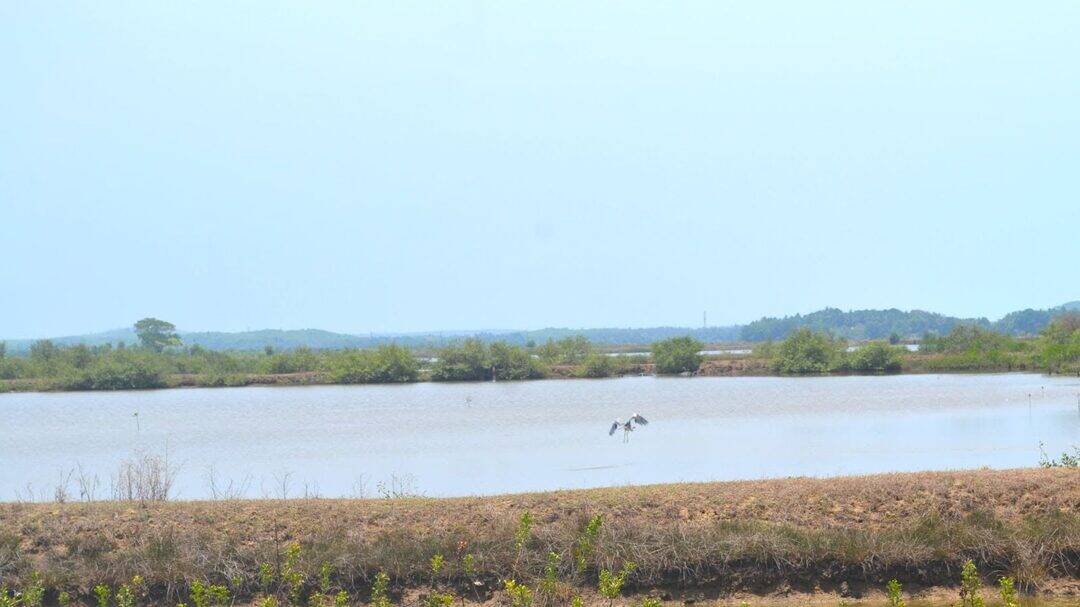
The Sentinel-2 system was used to monitor 500 of India’s largest wetlands, and the results are alarming. The study found that nearly 100 lakes, mostly in central and southern India, have seen a major decline in vital plant life. This decline is a cause for concern, as wetlands are crucial ecosystems that provide a range of ecosystem services, including water filtration, flood control, and habitat for a wide range of plant and animal species. The decline of plant life in these wetlands can have far-reaching consequences, including the loss of biodiversity, decreased water quality, and increased greenhouse gas emissions.
The Sentinel-2 system uses advanced satellite imaging technology to map and monitor wetlands. The system can identify submerged plants, including aquatic vegetation, with high accuracy, allowing scientists to track changes in plant life over time. The system can also be used to monitor other aspects of wetland health, including water quality, sedimentation, and habitat destruction. By providing detailed and accurate information about wetland ecosystems, the Sentinel-2 system can help scientists and policymakers to develop effective conservation strategies and take urgent climate actions.
The decline of plant life in India’s wetlands is a complex issue, driven by a range of factors, including climate change, pollution, and over-extraction of water. Climate change is altering the hydrological cycle, leading to changes in water levels, temperature, and salinity, which can have devastating effects on plant life. Pollution from agricultural runoff, sewage, and industrial waste is also a major threat, as it can lead to eutrophication, decreased water quality, and the loss of aquatic life. Over-extraction of water for irrigation, drinking water, and other human uses is also a major concern, as it can lead to reduced water levels, increased salinity, and decreased plant growth.
The Sentinel-2 system can play a critical role in addressing these challenges by providing accurate and timely information about wetland health. By monitoring changes in plant life, water quality, and other aspects of wetland ecosystems, scientists and policymakers can develop targeted conservation strategies and take urgent climate actions to protect these critical ecosystems. For example, the Sentinel-2 system can be used to identify areas where plant life is declining, allowing conservation efforts to be targeted at these areas. The system can also be used to monitor the effectiveness of conservation efforts, such as the restoration of wetlands, the introduction of native plant species, and the reduction of pollution.
In addition to its use in monitoring wetland health, the Sentinel-2 system can also be used to study other aspects of India’s biodiversity. For example, the system can be used to monitor forest health, track changes in land use and land cover, and identify areas of high conservation value. By providing detailed and accurate information about India’s ecosystems, the Sentinel-2 system can help scientists and policymakers to develop effective conservation strategies and take urgent climate actions to protect the country’s rich and diverse biodiversity.
In conclusion, the Sentinel-2 satellite mapping system is a powerful tool that can help to protect India’s biodiversity. By providing accurate and timely information about wetland health, the system can help scientists and policymakers to develop targeted conservation strategies and take urgent climate actions to address the decline of plant life in India’s wetlands. As the country continues to face numerous environmental challenges, the Sentinel-2 system can play a critical role in protecting India’s rich and diverse biodiversity, and ensuring a sustainable future for generations to come.
About the Author