How does Sentinel-2 protect India’s biodiversity?
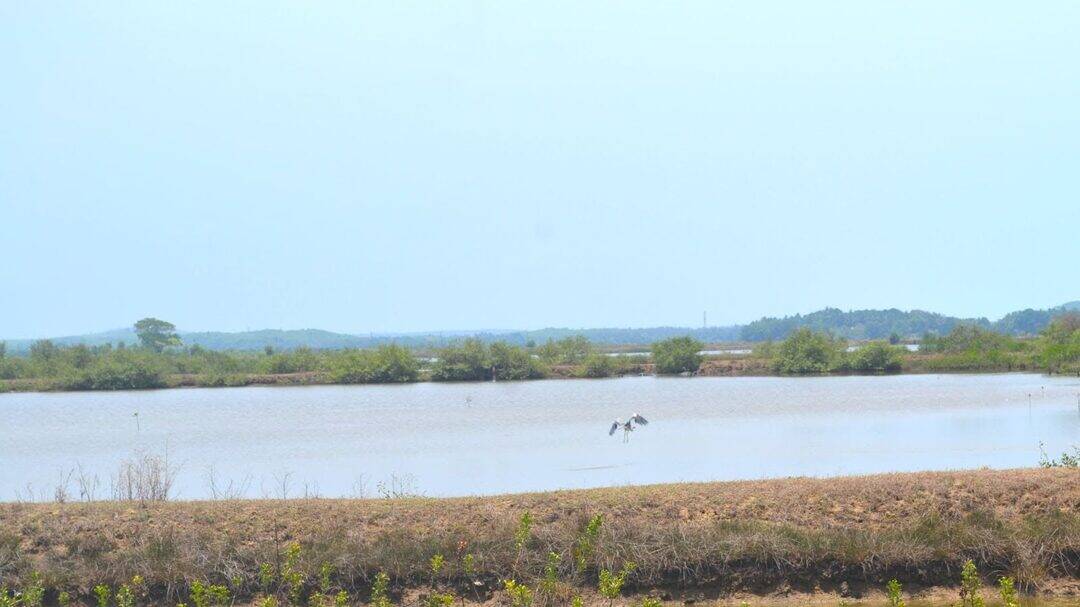
India is home to a diverse range of flora and fauna, with a wide variety of ecosystems that support a vast array of plant and animal life. The country’s wetlands, in particular, are a crucial part of its biodiversity, providing habitat for numerous species of plants and animals, and playing a vital role in maintaining the health of the environment. However, India’s wetlands are facing numerous threats, including climate change, pollution, and human activities such as deforestation and urbanization. To monitor and protect these vital ecosystems, scientists at the Indian Space Research Organisation (ISRO), the Indian Institute of Space Science and Technology (IIST), and Gujarat University have developed a new satellite mapping system, Sentinel-2.
Sentinel-2 is a state-of-the-art satellite mapping system that uses advanced technology to identify and monitor plant life in India’s wetlands. The system has been shown to be highly effective, with an accuracy of 94% in identifying submerged plants. This is a significant improvement over previous methods, which often relied on manual surveys and were time-consuming and labor-intensive. With Sentinel-2, scientists can now monitor India’s wetlands quickly and efficiently, providing valuable insights into the health of these ecosystems.
A recent study using Sentinel-2 monitored 500 of India’s largest wetlands, providing a comprehensive overview of the state of the country’s plant life. The results of the study are alarming, with nearly 100 lakes, mostly in central and southern India, showing a major decline in vital plant life. This decline is likely due to a combination of factors, including climate change, pollution, and human activities such as deforestation and urbanization. The study’s findings highlight the urgent need for climate action to protect India’s wetlands and the plant and animal life that depend on them.
The use of Sentinel-2 to monitor India’s wetlands is a significant step forward in the country’s efforts to protect its biodiversity. The system’s ability to identify submerged plants with high accuracy provides valuable insights into the health of these ecosystems, allowing scientists and policymakers to take targeted action to protect them. By monitoring changes in plant life over time, scientists can identify areas that are most at risk and develop strategies to mitigate the impacts of climate change and other threats.
One of the key benefits of Sentinel-2 is its ability to provide high-resolution images of India’s wetlands, allowing scientists to identify even small changes in plant life. This level of detail is essential for monitoring the health of these ecosystems, as small changes can have significant impacts on the overall biodiversity of the area. With Sentinel-2, scientists can now monitor India’s wetlands with unprecedented precision, providing a valuable tool for conservation efforts.
The development of Sentinel-2 is also a testament to the power of collaboration between scientists and researchers from different institutions. The project brought together experts from ISRO, IIST, and Gujarat University, demonstrating the importance of interdisciplinary research in addressing complex environmental challenges. By working together, scientists can share knowledge, expertise, and resources, leading to innovative solutions that might not have been possible through individual efforts.
The findings of the study using Sentinel-2 have significant implications for climate action in India. The decline in plant life in the country’s wetlands is a clear indication of the need for urgent action to protect these ecosystems. This can involve a range of measures, including reducing greenhouse gas emissions, protecting and restoring habitats, and promoting sustainable land use practices. By taking action to protect India’s wetlands, the country can help to maintain its biodiversity, support the health of its ecosystems, and contribute to global efforts to mitigate the impacts of climate change.
In conclusion, the development of Sentinel-2 is a significant step forward in India’s efforts to protect its biodiversity. The system’s ability to identify submerged plants with high accuracy provides valuable insights into the health of the country’s wetlands, allowing scientists and policymakers to take targeted action to protect them. The findings of the study using Sentinel-2 highlight the urgent need for climate action to protect India’s wetlands and the plant and animal life that depend on them. As the country continues to face numerous environmental challenges, the use of innovative technologies like Sentinel-2 will be essential for monitoring and protecting its natural resources.
About the Author