How does Sentinel-2 protect India’s biodiversity?
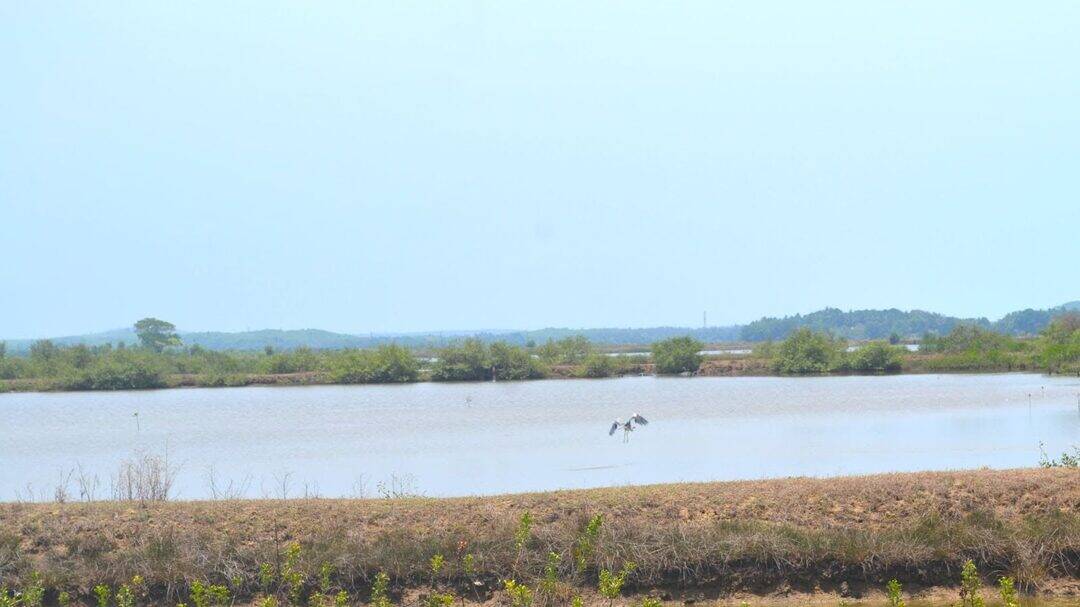
India is home to a diverse range of flora and fauna, with its wetlands being a crucial part of the country’s ecosystem. These wetlands, which include lakes, rivers, and mangroves, provide a habitat for numerous plant and animal species, and play a vital role in maintaining the country’s biodiversity. However, in recent years, many of these wetlands have been facing a decline in plant life, which can have severe consequences for the environment and the species that depend on them. To address this issue, scientists at the Indian Space Research Organisation (ISRO), Indian Institute of Space Science and Technology (IIST), and Gujarat University have developed a new satellite mapping system, Sentinel-2, which can identify submerged plants with 94% accuracy.
The Sentinel-2 system is a game-changer in the field of wetland conservation, as it allows scientists to monitor the health of these ecosystems remotely. The system uses satellite imagery to identify changes in plant life, which can be an indicator of the overall health of the wetland. By monitoring these changes, scientists can identify areas that are under threat and take corrective action to protect them. The study, which monitored 500 of India’s largest wetlands, found that nearly 100 lakes, mostly in central and southern India, have seen a major decline in vital plant life. This decline can have severe consequences for the environment, including the loss of biodiversity, decreased water quality, and increased greenhouse gas emissions.
The Sentinel-2 system is particularly useful for monitoring wetlands, as it can identify submerged plants, which are often difficult to detect using traditional methods. Submerged plants, such as seagrasses and aquatic macrophytes, play a crucial role in maintaining the health of wetlands, as they provide a habitat for numerous animal species, help to maintain water quality, and prevent erosion. By monitoring these plants, scientists can gain a better understanding of the overall health of the wetland and take action to protect it.
The results of the study, which used the Sentinel-2 system to monitor India’s wetlands, are a call to action for urgent climate measures. The decline in plant life in India’s wetlands is a symptom of a larger problem, which is the degradation of these ecosystems due to human activities such as pollution, over-extraction of water, and land use changes. To address this issue, it is essential to take a multi-faceted approach that involves not only the conservation of wetlands but also the reduction of greenhouse gas emissions and the promotion of sustainable land use practices.
One of the key findings of the study is that the decline in plant life is not uniform across all wetlands. While some wetlands have seen a significant decline in plant life, others have remained relatively healthy. This suggests that there are opportunities for conservation and restoration efforts to be targeted at specific wetlands, which can help to protect these ecosystems and the species that depend on them. Additionally, the study highlights the importance of ongoing monitoring and research, as this can help to identify areas that are under threat and inform conservation efforts.
The development of the Sentinel-2 system is a significant achievement for India, as it demonstrates the country’s commitment to using technology to protect its natural resources. The system has the potential to be used not only for monitoring wetlands but also for other applications, such as monitoring deforestation, tracking changes in land use, and identifying areas that are vulnerable to natural disasters. By leveraging this technology, India can take a proactive approach to protecting its environment and promoting sustainable development.
In conclusion, the Sentinel-2 system is a powerful tool for protecting India’s biodiversity, particularly in its wetlands. The system’s ability to identify submerged plants with 94% accuracy makes it an invaluable resource for scientists and conservationists, who can use it to monitor the health of these ecosystems and take action to protect them. The results of the study, which monitored 500 of India’s largest wetlands, are a call to action for urgent climate measures, and highlight the need for a multi-faceted approach to addressing the decline in plant life in these ecosystems. By using the Sentinel-2 system and other technologies, India can promote sustainable development, protect its natural resources, and ensure a healthy and thriving environment for future generations.
About the Author