How does Sentinel-2 protect India’s biodiversity?
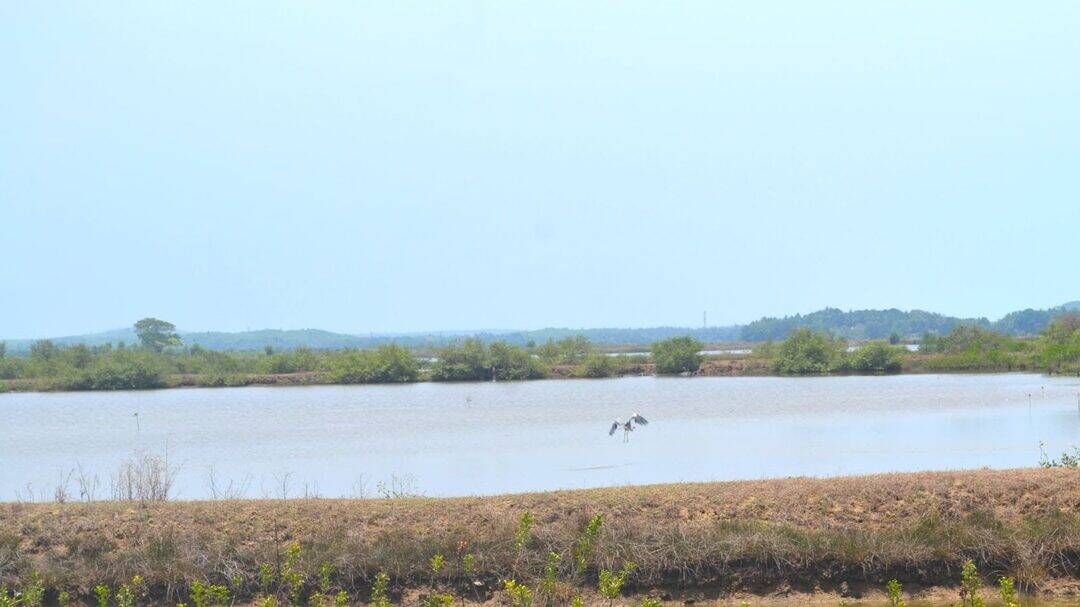
India is home to a diverse range of flora and fauna, with a wide variety of ecosystems that support an incredible array of plant and animal life. The country’s wetlands, in particular, are a vital component of its biodiversity, providing habitat for countless species of plants and animals, and playing a crucial role in maintaining the health of the environment. However, these ecosystems are facing numerous threats, including climate change, pollution, and human activities such as deforestation and urbanization. To combat these threats, scientists at the Indian Space Research Organisation (ISRO), the Indian Institute of Space Technology (IIST), and Gujarat University have developed a new satellite mapping system, known as Sentinel-2, which is capable of identifying submerged plants with an accuracy of 94%.
The Sentinel-2 system uses advanced satellite imaging technology to monitor the health of India’s wetlands, which are home to a vast array of plant and animal species. The system is particularly useful for monitoring submerged aquatic vegetation, which is an important indicator of the overall health of a wetland ecosystem. By analyzing satellite images, scientists can identify areas where plant life is declining, and take steps to address the underlying causes of this decline. The study, which monitored 500 of India’s largest wetlands, has produced some alarming results, with nearly 100 lakes, mostly in central and southern India, showing a significant decline in vital plant life.
The decline of plant life in India’s wetlands is a major concern, as it can have far-reaching consequences for the environment and the species that depend on these ecosystems. Wetlands play a crucial role in maintaining water quality, preventing soil erosion, and supporting biodiversity. They also provide important ecosystem services, such as flood control, water filtration, and carbon sequestration. The loss of plant life in these ecosystems can have a ripple effect, leading to a decline in the overall health of the environment, and threatening the species that depend on these ecosystems for survival.
The Sentinel-2 system is a powerful tool for monitoring the health of India’s wetlands, and for identifying areas where conservation efforts are needed. By using advanced satellite imaging technology, scientists can gather detailed information about the condition of these ecosystems, and track changes over time. This information can be used to inform conservation efforts, and to develop effective strategies for protecting India’s biodiversity. The system is also useful for monitoring the impact of climate change on India’s wetlands, and for identifying areas that are most vulnerable to the effects of rising temperatures and changing precipitation patterns.
The study’s findings highlight the need for urgent climate action, to protect India’s wetlands and the species that depend on them. The decline of plant life in these ecosystems is a warning sign, indicating that the health of the environment is under threat. To address this issue, it is essential to take a multi-faceted approach, which includes reducing greenhouse gas emissions, protecting and restoring habitats, and promoting sustainable land use practices. The Sentinel-2 system is an important tool in this effort, providing valuable insights into the condition of India’s wetlands, and helping to inform conservation efforts.
In addition to its potential for monitoring the health of India’s wetlands, the Sentinel-2 system also has a range of other applications. It can be used to monitor crop health, track changes in land use, and identify areas that are vulnerable to natural disasters such as floods and droughts. The system can also be used to support urban planning efforts, by providing detailed information about the location and extent of urban ecosystems, such as parks and green spaces.
The development of the Sentinel-2 system is a testament to the power of collaboration and innovation in addressing environmental challenges. By bringing together scientists and researchers from a range of disciplines, and leveraging advanced technologies such as satellite imaging, it is possible to develop effective solutions to complex problems. The Sentinel-2 system is an important step forward in the effort to protect India’s biodiversity, and to promote sustainable development.
In conclusion, the Sentinel-2 system is a powerful tool for protecting India’s biodiversity, and for promoting sustainable development. By using advanced satellite imaging technology to monitor the health of India’s wetlands, scientists can identify areas where conservation efforts are needed, and track changes over time. The system’s findings highlight the need for urgent climate action, to protect India’s wetlands and the species that depend on them. As the country continues to develop and grow, it is essential to prioritize the protection of its natural resources, and to promote sustainable practices that support the health of the environment.
About the Author