Safe harbour margin set at 15.5% for IT services, threshold hiked
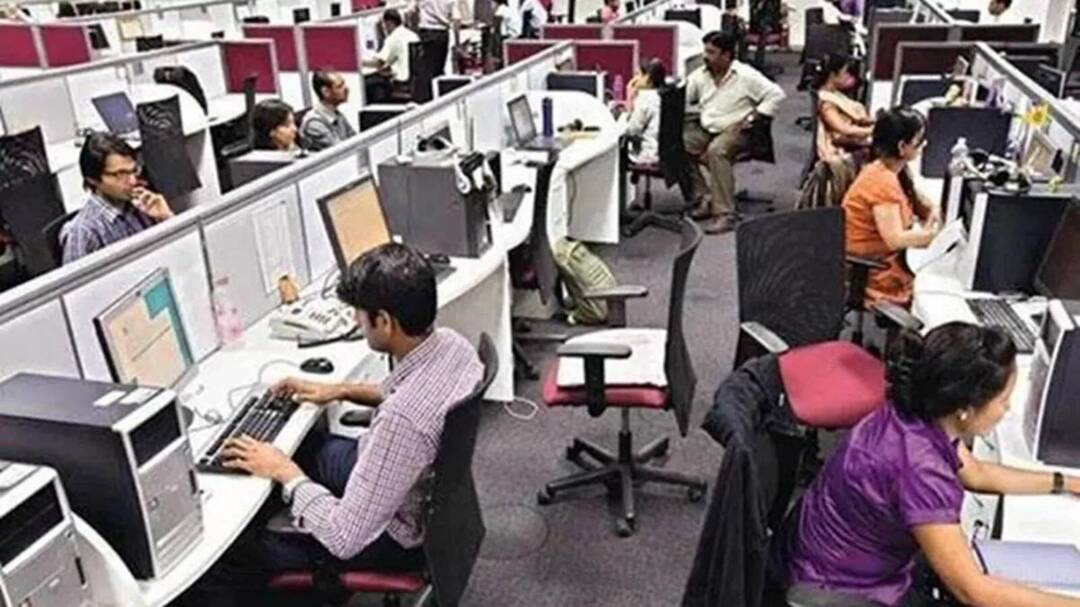
The Indian government has announced a significant move to simplify the tax compliance process for IT services firms. In the recent Budget, Finance Minister Nirmala Sitharaman proposed a common safe harbour margin of 15.5% for IT services. This move is expected to provide relief to IT services firms, which have been facing challenges in determining their arm’s length price (ALP) for tax purposes. The threshold for availing safe harbour for IT services has also been enhanced from ₹300 crore to ₹2,000 crore, making it more accessible to a larger number of firms.
The concept of safe harbour margin was introduced to provide certainty and reduce litigation in transfer pricing cases. Safe harbour margin refers to a predetermined profit margin that is considered acceptable by the tax authorities, and IT services firms can opt for this margin to avoid transfer pricing disputes. The safe harbour margin of 15.5% for IT services is a welcome move, as it provides a clear and predictable framework for IT services firms to operate within.
The increase in the threshold for availing safe harbour from ₹300 crore to ₹2,000 crore is also a significant move. This increase will enable more IT services firms to take advantage of the safe harbour provision, reducing their compliance burden and the risk of transfer pricing disputes. The increased threshold will also encourage more firms to opt for the safe harbour margin, leading to greater certainty and predictability in the tax environment.
One of the key benefits of the safe harbour margin is that it provides IT services firms with the flexibility to continue with the same margin for a period of 5 years at a stretch, at their choice. This means that once an IT services firm opts for the safe harbour margin, it can continue to use the same margin for 5 years without having to undergo a transfer pricing audit or dispute. This will provide significant relief to IT services firms, which can focus on their core business activities without worrying about transfer pricing compliance.
The introduction of a common safe harbour margin for IT services is also expected to promote fairness and consistency in the tax treatment of IT services firms. The current transfer pricing regime can be complex and subjective, leading to inconsistent treatment of similar firms. The safe harbour margin will help to reduce this inconsistency, promoting a more level playing field for IT services firms.
The move is also expected to boost the growth of the IT services sector, which is a significant contributor to India’s GDP. The IT services sector has been facing challenges in recent years, including increased competition from other countries and a shortage of skilled professionals. The introduction of a common safe harbour margin and the increase in the threshold for availing safe harbour will help to reduce the compliance burden on IT services firms, enabling them to focus on their core business activities and drive growth.
In addition to the benefits for IT services firms, the introduction of a common safe harbour margin is also expected to reduce the workload of the tax authorities. The safe harbour margin will reduce the number of transfer pricing disputes, enabling the tax authorities to focus on more complex and high-risk cases. This will also help to improve the overall efficiency of the tax system, reducing the time and cost associated with transfer pricing compliance.
In conclusion, the introduction of a common safe harbour margin of 15.5% for IT services and the increase in the threshold for availing safe harbour from ₹300 crore to ₹2,000 crore are significant moves that will simplify the tax compliance process for IT services firms. The safe harbour margin will provide certainty and reduce litigation in transfer pricing cases, enabling IT services firms to focus on their core business activities. The increased threshold will also make the safe harbour provision more accessible to a larger number of firms, promoting fairness and consistency in the tax treatment of IT services firms.
The move is also expected to promote the growth of the IT services sector, which is a significant contributor to India’s GDP. The introduction of a common safe harbour margin and the increase in the threshold for availing safe harbour will help to reduce the compliance burden on IT services firms, enabling them to drive growth and create jobs.
About the Author