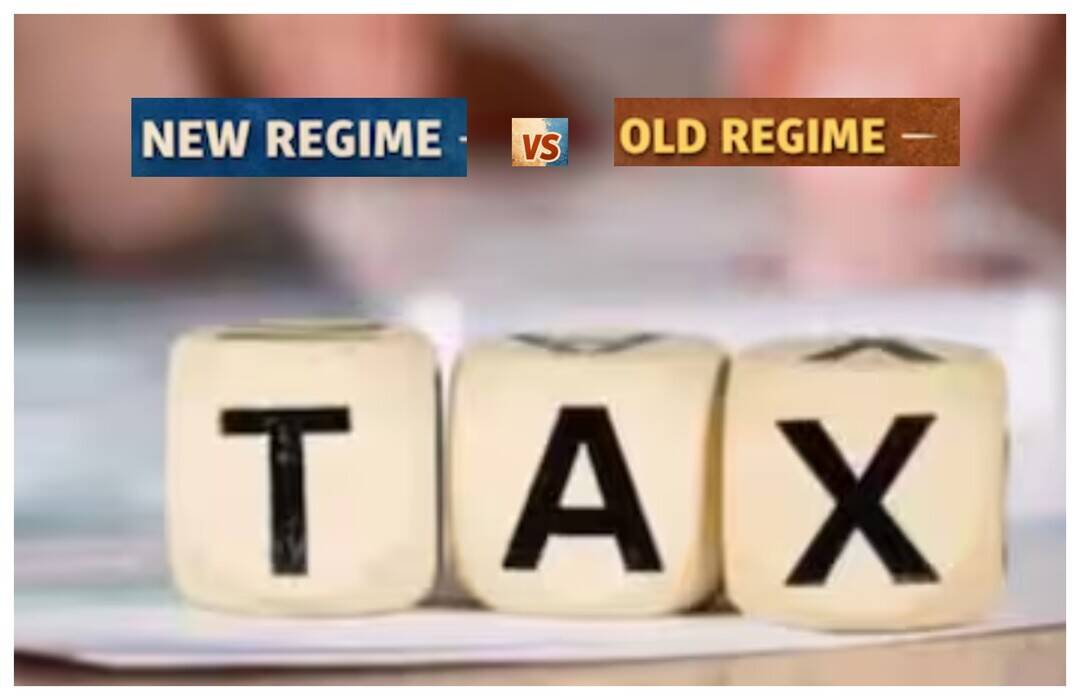
What are Income Tax rates under new & old tax regime as govt made no changes this year?
The Union Budget 2026 has been announced, and as expected, it has brought about a mix of emotions among the taxpayers in the country. One of the most significant aspects of the budget is the income tax rates, which have been a topic of discussion for many years. In this blog post, we will delve into the income tax rates under the new and old tax regimes, and how they affect individual taxpayers.
The government has decided to keep the personal income tax rates unchanged, which means that the tax slabs and rates remain the same as they were in the previous year. This decision has been met with a sense of relief among many taxpayers, as it provides stability and predictability in their financial planning.
New Tax Regime
The new tax regime, which was introduced in 2020, offers a simplified tax structure with fewer exemptions and deductions. Under this regime, the income tax rates are as follows:
- Income up to ₹12 lakh is tax-free
- 15% tax on income between ₹12 lakh and ₹16 lakh
- 20% tax on income between ₹16 lakh and ₹20 lakh
- 25% tax on income between ₹20 lakh and ₹24 lakh
- 30% tax on income above ₹24 lakh
This tax regime is designed to be more straightforward and easier to understand, with fewer complexities and exemptions. However, it also means that taxpayers will not be able to claim certain deductions and exemptions that were available under the old tax regime.
Old Tax Regime
The old tax regime, which has been in place for many years, offers a more complex tax structure with various exemptions and deductions. Under this regime, the income tax rates are as follows:
- 0% tax on income up to ₹2.5 lakh
- 5% tax on income between ₹2.5 lakh and ₹5 lakh
- 20% tax on income between ₹5 lakh and ₹10 lakh
- 30% tax on income above ₹10 lakh
This tax regime offers more exemptions and deductions, such as the standard deduction, housing loan interest, and investments in tax-saving schemes. However, it also means that taxpayers need to keep track of various exemptions and deductions, which can be complex and time-consuming.
Comparison of New and Old Tax Regimes
So, which tax regime is more beneficial for individual taxpayers? The answer depends on various factors, such as income level, investments, and expenses. Generally, the new tax regime is more suitable for taxpayers who have a simple income structure and do not have many exemptions and deductions to claim. On the other hand, the old tax regime is more beneficial for taxpayers who have a complex income structure and can claim various exemptions and deductions.
For example, a taxpayer with an income of ₹15 lakh may find the new tax regime more beneficial, as they will pay 15% tax on their income above ₹12 lakh. On the other hand, a taxpayer with an income of ₹15 lakh and investments in tax-saving schemes may find the old tax regime more beneficial, as they can claim deductions and exemptions to reduce their taxable income.
Impact of No Changes in Income Tax Rates
The decision to keep the income tax rates unchanged has been met with a mixed reaction from taxpayers and experts. On the one hand, it provides stability and predictability in financial planning, which is essential for individual taxpayers and businesses. On the other hand, it may not provide the necessary relief to taxpayers who are struggling with high taxes and inflation.
The government’s decision to not change the income tax rates may also have an impact on the economy, as it may not provide the necessary stimulus to boost economic growth. However, it is also important to note that the government has other tools and measures to boost economic growth, such as investments in infrastructure, education, and healthcare.
Conclusion
In conclusion, the income tax rates under the new and old tax regimes remain unchanged, providing stability and predictability in financial planning. The new tax regime offers a simplified tax structure with fewer exemptions and deductions, while the old tax regime offers a more complex tax structure with various exemptions and deductions. Taxpayers need to carefully evaluate their income structure and expenses to determine which tax regime is more beneficial for them.
As the economy continues to evolve and grow, it is essential for the government to review and revise the income tax rates and structure to ensure that they are fair, equitable, and supportive of economic growth. For now, taxpayers can breathe a sigh of relief, as the income tax rates remain unchanged, providing a sense of stability and predictability in their financial planning.
About the Author