Safe Harbour Margin Set at 15.5% for IT Services, Threshold Hiked
The Union Budget 2026, presented by Finance Minister Nirmala Sitharaman, has brought significant relief to the IT services sector. In a move aimed at simplifying the tax regime and reducing disputes, the Finance Minister has proposed a common safe harbour margin of 15.5% for IT services. Additionally, the threshold for availing safe harbour for IT services has been enhanced from ₹300 crore to ₹2,000 crore. This move is expected to benefit a large number of IT services firms, providing them with greater clarity and certainty on their tax liabilities.
The concept of safe harbour is not new to the Indian tax regime. It was introduced to provide certainty to taxpayers on their tax liabilities, especially in cases where the tax authorities and the taxpayer may have differing opinions on the computation of income. The safe harbour margin is essentially a minimum profit margin that a taxpayer is required to maintain in order to avoid scrutiny from the tax authorities. If a taxpayer’s profit margin is above the safe harbour margin, the tax authorities will not question the computation of income, and the taxpayer will be spared the hassle of litigation and dispute resolution.
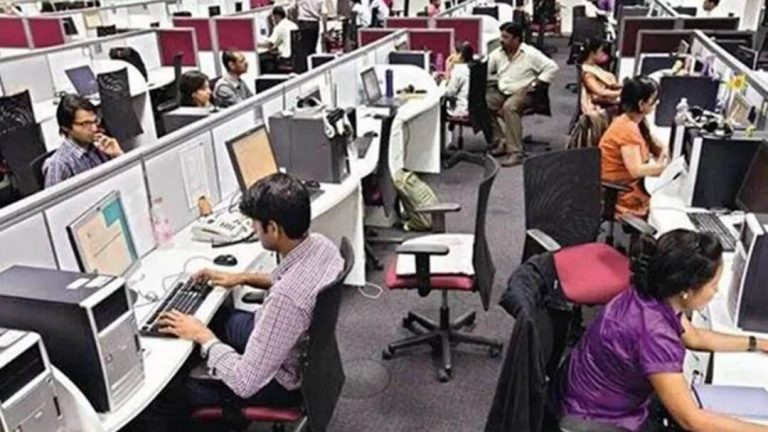
The IT services sector has been a significant contributor to India’s economic growth, and the government has been taking various measures to support its growth. The proposal to introduce a common safe harbour margin of 15.5% for IT services is a welcome move, as it will provide greater clarity and certainty to IT services firms on their tax liabilities. The safe harbour margin will apply to a wide range of IT services, including software development, maintenance, and testing, as well as IT-enabled services such as business process outsourcing.
The enhancement of the threshold for availing safe harbour from ₹300 crore to ₹2,000 crore is also a significant move. This will allow a larger number of IT services firms to take advantage of the safe harbour regime, reducing their compliance burden and litigation costs. The increased threshold will also encourage more IT services firms to opt for the safe harbour regime, which will help to reduce disputes and litigation in the tax arena.
Another significant aspect of the proposal is that once an IT services firm applies for safe harbour, it can continue to avail of the same safe harbour for 5 years at a stretch, at its choice. This will provide greater stability and predictability to IT services firms, allowing them to plan their tax strategies with greater certainty. The 5-year period will also give IT services firms sufficient time to adjust to any changes in the tax regime, reducing the risk of litigation and disputes.
The proposal to introduce a common safe harbour margin for IT services is also expected to boost the competitiveness of Indian IT services firms in the global market. The safe harbour regime will provide greater clarity and certainty to foreign clients, who may have been deterred from outsourcing work to Indian IT services firms due to the complexity and uncertainty of the Indian tax regime. With a clear and predictable tax regime, Indian IT services firms will be better equipped to compete with their global peers, attracting more foreign investment and boosting exports.
In conclusion, the proposal to introduce a common safe harbour margin of 15.5% for IT services, along with the enhancement of the threshold for availing safe harbour, is a significant move that will benefit the IT services sector. The safe harbour regime will provide greater clarity and certainty to IT services firms, reducing their compliance burden and litigation costs. The proposal is also expected to boost the competitiveness of Indian IT services firms in the global market, attracting more foreign investment and boosting exports.
The Union Budget 2026 has taken a significant step towards simplifying the tax regime and reducing disputes. The proposal to introduce a common safe harbour margin for IT services is a welcome move, and it is expected to have a positive impact on the IT services sector. As the Indian economy continues to grow and evolve, it is essential to have a tax regime that is simple, predictable, and supportive of business growth. The proposal to introduce a common safe harbour margin for IT services is a step in the right direction, and it is expected to contribute to the growth and development of the Indian economy.
About the Author