Safe Harbour Margin Set at 15.5% for IT Services, Threshold Hiked
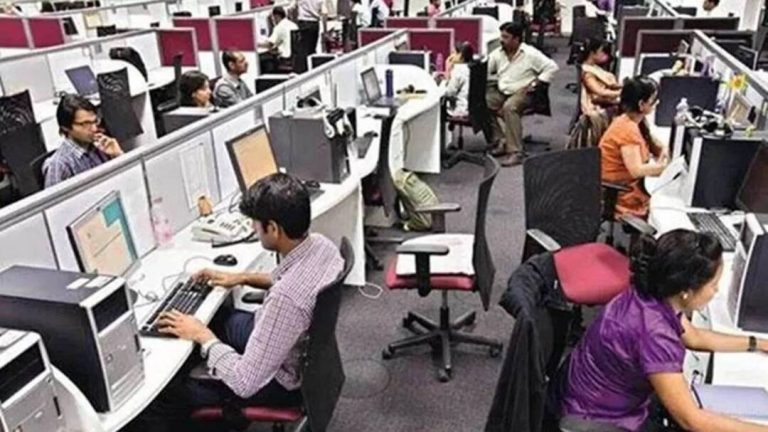
The Indian government has introduced a significant change in the tax regulations for IT services, aiming to provide relief and clarity to the sector. In the recent Budget, Finance Minister Nirmala Sitharaman proposed a common safe harbour margin of 15.5% for IT services. This move is expected to simplify the tax compliance process for IT companies and reduce disputes with the tax authorities. Additionally, the threshold for availing safe harbour for IT services has been enhanced from ₹300 crore to ₹2,000 crore, making it more accessible to a larger number of companies.
The concept of safe harbour is not new to the Indian tax system. It was introduced to provide certainty and predictability to taxpayers, especially in cases where the tax laws are ambiguous or open to interpretation. Safe harbour rules allow taxpayers to opt for a predetermined margin or rate, which is accepted by the tax authorities, thereby avoiding potential disputes and litigations. In the context of IT services, safe harbour margins are crucial, as the industry involves complex transactions and varying profit margins.
The new safe harbour margin of 15.5% for IT services is a welcome move, as it provides a clear and uniform benchmark for the industry. Previously, IT companies had to navigate through a complex web of regulations and court decisions to determine their arm’s length price (ALP) and profit margins. The ALP is the price that would be paid or received in a transaction between unrelated parties. With the introduction of a common safe harbour margin, IT companies can now opt for this predetermined margin, which will be accepted by the tax authorities, provided they meet the specified conditions.
The enhancement of the threshold for availing safe harbour from ₹300 crore to ₹2,000 crore is also a significant development. This increase in threshold will allow more IT companies to take advantage of the safe harbour provisions, reducing their compliance burden and minimizing the risk of tax disputes. The higher threshold will also encourage more companies to opt for the safe harbour route, as it will provide them with greater certainty and predictability in their tax affairs.
Another important aspect of the new safe harbour provisions is the flexibility to continue with the same safe harbour margin for a period of 5 years at a stretch. Once an IT services firm opts for the safe harbour margin, it can choose to continue with the same margin for 5 consecutive years, without the need to revisit or revise its tax arrangements. This flexibility will enable IT companies to plan their tax affairs with greater confidence and certainty, allowing them to focus on their core business activities.
The introduction of a common safe harbour margin for IT services is also expected to boost the competitiveness of the Indian IT industry. The sector is a significant contributor to the country’s GDP and exports, and any measure that simplifies tax compliance and reduces uncertainty will have a positive impact on the industry’s growth prospects. With a clear and uniform safe harbour margin, IT companies can now compete more effectively with their global peers, as they will have greater certainty and predictability in their tax affairs.
In conclusion, the introduction of a common safe harbour margin of 15.5% for IT services, along with the enhancement of the threshold and the flexibility to continue with the same margin for 5 years, is a positive development for the Indian IT industry. The new provisions will simplify tax compliance, reduce disputes, and provide greater certainty and predictability to IT companies. As the Indian economy continues to grow and evolve, such measures will play a crucial role in promoting the growth of the IT sector and enhancing the country’s competitiveness in the global market.
About the Author