PM Modi calls Budget 2026 ‘futuristic’, says ‘It strengthens India’s foundation’
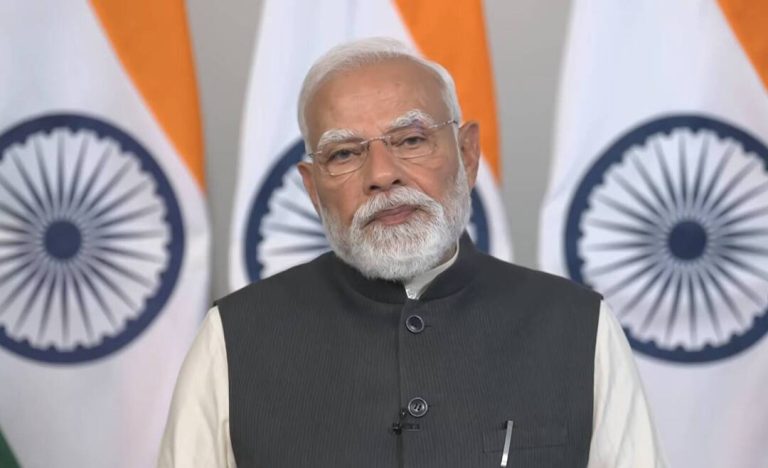
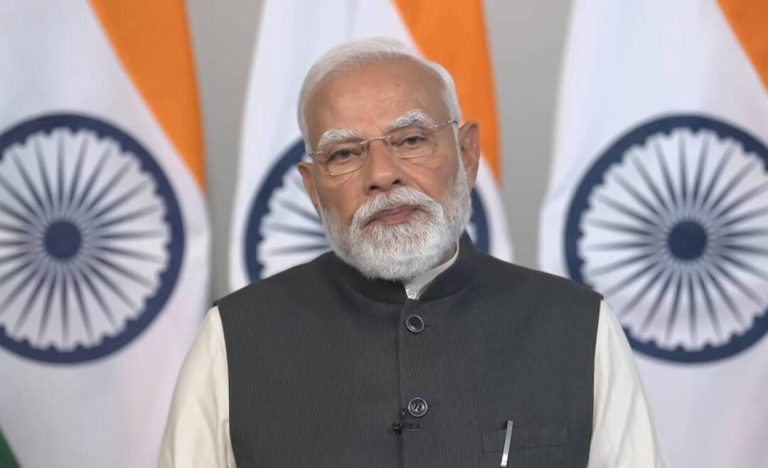
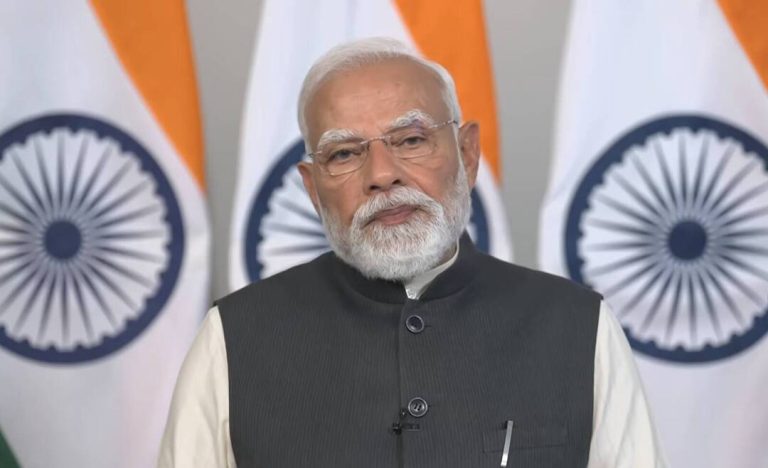
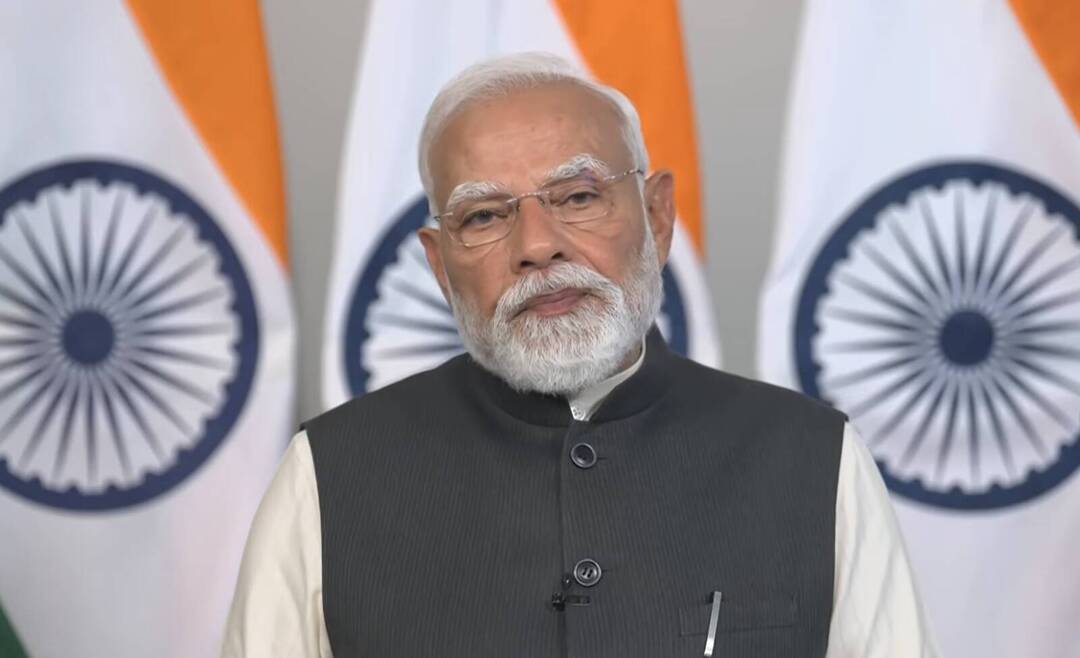
In a recent address, Prime Minister Narendra Modi hailed the Union Budget 2026, calling it “futuristic”. He expressed his enthusiasm for the budget, stating that it lays a strong foundation for India’s journey towards becoming a developed nation by 2047. The Prime Minister’s words reflect the government’s vision for a prosperous and economically strong India, and the budget is seen as a crucial step towards achieving this goal.
According to PM Modi, “This budget is a strong foundation for our high flight toward a developed India by 2047…The reform express on which India is riding today will gain new energy and new momentum from this budget.” These words indicate that the government is committed to pushing forward with reforms and initiatives that will drive economic growth and development in the country. The budget is expected to provide a boost to various sectors, including infrastructure, healthcare, and education, which are critical for India’s overall development.
PM Modi also emphasized the government’s ambition to make India the world’s third-largest economy as soon as possible. He stated, “We want to become the world’s third-largest economy as soon as possible.” This statement reflects the government’s desire to accelerate India’s economic growth and position the country as a major player on the global stage. The budget is seen as a key tool in achieving this objective, as it outlines the government’s spending plans and priorities for the coming year.
The Union Budget 2026 has been designed to address various challenges facing the Indian economy, including slow growth, high unemployment, and inequality. The budget proposes a range of measures to stimulate economic activity, including investments in infrastructure, tax reforms, and support for small and medium-sized enterprises. The government has also announced plans to increase spending on social welfare programs, such as healthcare and education, which are critical for reducing poverty and inequality.
One of the key features of the budget is its focus on digitalization and technology. The government has announced plans to invest in digital infrastructure, including 5G networks, data centers, and artificial intelligence. This is expected to drive growth in the technology sector, which is seen as a key driver of economic growth and innovation. The budget also proposes measures to support startups and entrepreneurs, including tax breaks and funding for research and development.
Another important aspect of the budget is its emphasis on sustainability and environmental protection. The government has announced plans to increase spending on renewable energy, such as solar and wind power, and to promote the use of electric vehicles. This is seen as a critical step towards reducing India’s carbon footprint and mitigating the impacts of climate change. The budget also proposes measures to promote sustainable agriculture and to support the development of green infrastructure, such as parks and green spaces.
The reaction to the budget has been largely positive, with many experts and analysts praising the government’s efforts to stimulate economic growth and address social and environmental challenges. However, some critics have argued that the budget does not go far enough in addressing issues such as poverty and inequality. They have also expressed concerns about the government’s plans to increase borrowing and to rely on foreign investment to drive growth.
In conclusion, the Union Budget 2026 is a significant document that outlines the government’s vision for India’s economic and social development. PM Modi’s description of the budget as “futuristic” reflects the government’s commitment to driving growth and innovation, and to positioning India as a major player on the global stage. While there are challenges ahead, the budget is seen as a crucial step towards achieving the government’s ambitions, including making India the world’s third-largest economy as soon as possible.
As the country moves forward, it will be important to monitor the implementation of the budget and to assess its impact on the economy and society. The government will need to work closely with various stakeholders, including businesses, civil society organizations, and citizens, to ensure that the budget’s objectives are achieved. With the right policies and initiatives in place, India can achieve its goals and become a prosperous and developed nation by 2047.
Source: https://x.com/narendramodi/status/2017877716083814711
About the Author