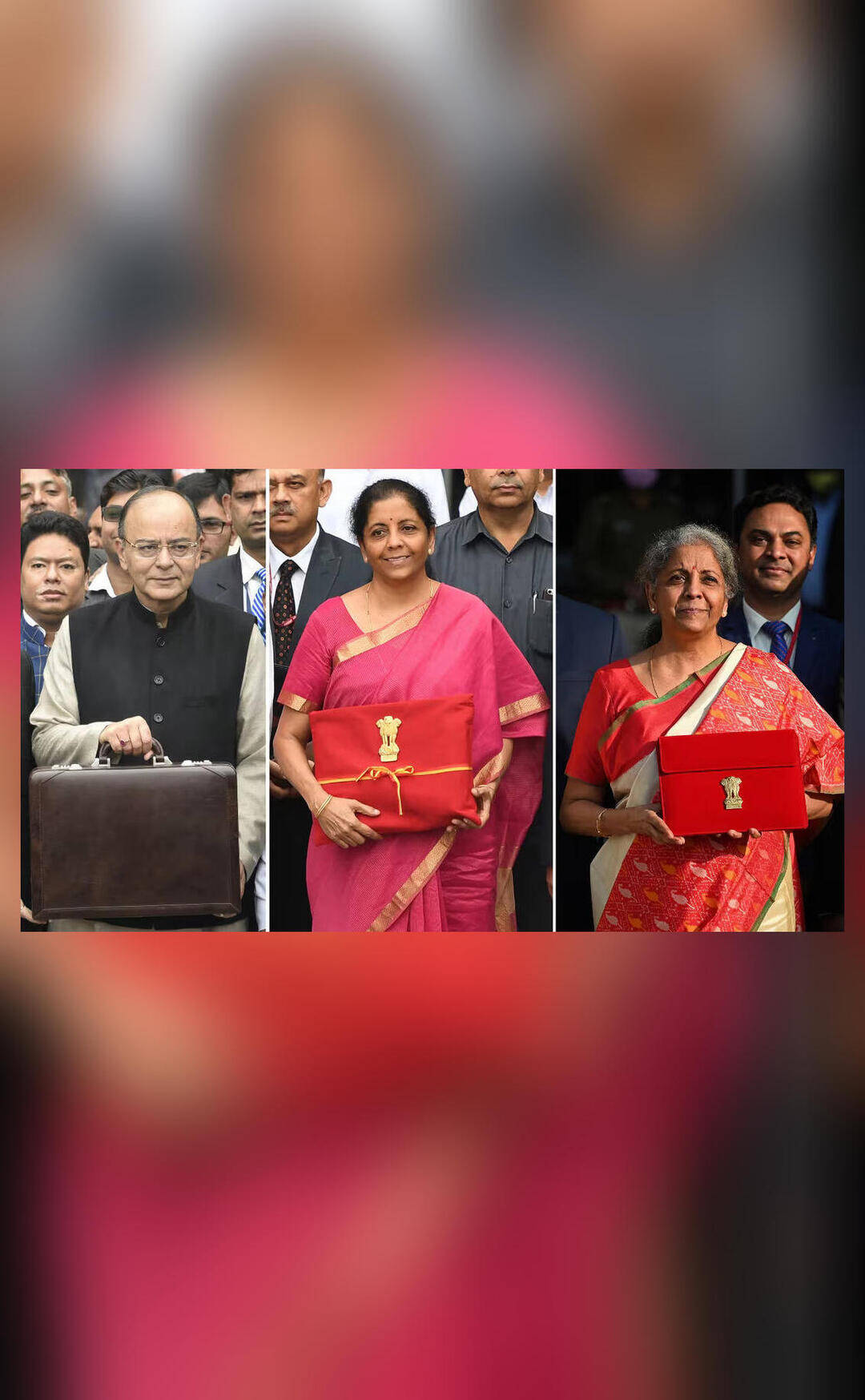
How has Union Budget’s presentation changed over the years, from a briefcase to a tablet?
The Union Budget of India, presented annually by the Finance Minister, is a crucial event that outlines the country’s financial plans and policies for the upcoming year. Over the years, the presentation of the Union Budget has undergone significant changes, reflecting the evolving times and technological advancements. In this blog post, we will delve into the transformations that have taken place in the presentation of the Union Budget, from the traditional briefcase to the modern tablet.
One of the most notable changes in the presentation of the Union Budget was the shift in the date of presentation. Until 2017, the Budget was presented on the last day of February. However, in 2017, the date was changed to February 1, allowing the government to implement the Budget provisions from the beginning of the financial year. This change enabled the government to utilize the entire financial year to implement its plans and policies, rather than waiting until the end of February.
Another significant change was the alteration of the presentation time. Prior to 1999, the Budget was presented at 5:00 pm. However, in 1999, the presentation time was changed to 11:00 am, allowing for a more convenient and accessible viewing experience for the public and the media. This change enabled a wider audience to follow the Budget presentation live, fostering greater transparency and accountability.
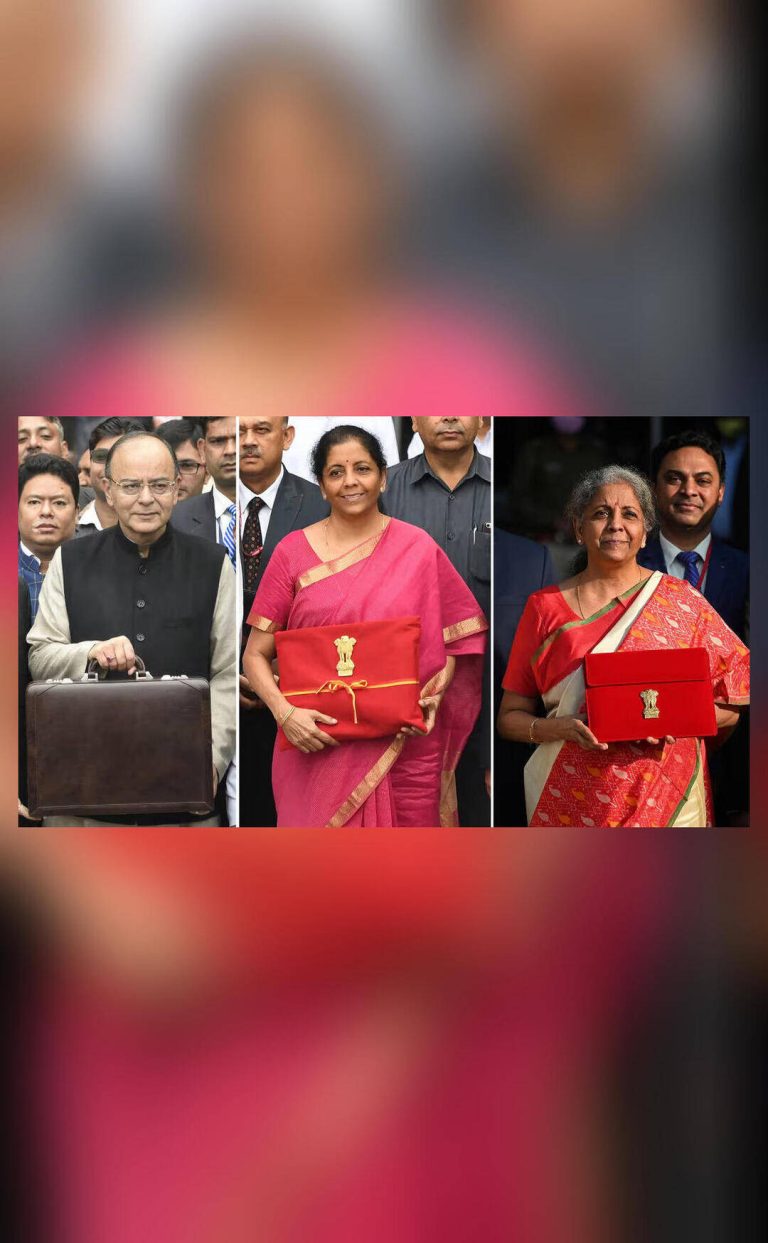
In recent years, the presentation of the Union Budget has become more digital and eco-friendly. In 2019, Finance Minister Nirmala Sitharaman made a significant departure from tradition by switching from a briefcase to a cloth-wrapped ‘bahi khata’ (a traditional Indian ledger) to carry the Budget documents. This move was seen as a nod to India’s rich cultural heritage and a symbol of the government’s commitment to promoting indigenous traditions.
The most significant change, however, came in 2021, when Finance Minister Nirmala Sitharaman presented India’s first paperless Budget. Instead of carrying a briefcase or a bahi khata, Sitharaman used a Made-in-India tablet to present the Budget. This move marked a significant shift towards a more digital and sustainable approach to Budget presentation, reducing the need for physical documents and promoting a more environmentally friendly practice.
The use of a tablet to present the Budget also marked a significant technological advancement in the presentation of the Union Budget. The tablet enabled the Finance Minister to access and present the Budget documents in a more organized and efficient manner, allowing for a smoother and more engaging presentation experience.
The changes in the presentation of the Union Budget over the years reflect the government’s efforts to adapt to changing times and technological advancements. From the traditional briefcase to the modern tablet, the presentation of the Union Budget has evolved significantly, promoting greater transparency, accountability, and sustainability.
As we look to the future, it will be interesting to see how the presentation of the Union Budget continues to evolve. With the increasing use of technology and digital platforms, it is likely that the Budget presentation will become even more digital and interactive, allowing for a more engaging and accessible experience for the public and the media.
In conclusion, the presentation of the Union Budget has undergone significant changes over the years, from the traditional briefcase to the modern tablet. These changes reflect the government’s efforts to adapt to changing times and technological advancements, promoting greater transparency, accountability, and sustainability. As we move forward, it will be exciting to see how the presentation of the Union Budget continues to evolve, incorporating new technologies and innovations to create a more engaging and accessible experience for all.
About the Author