Safe Harbour Margin Set at 15.5% for IT Services, Threshold Hiked
The Indian government has taken a significant step towards simplifying the tax landscape for IT services firms in the country. In the recent Budget announcement, Finance Minister Nirmala Sitharaman proposed a common safe harbour margin of 15.5% for IT services. This move is expected to bring a sense of certainty and stability to the industry, which has been grappling with complex tax regulations and uncertainty over profit margins.
The concept of safe harbour is not new to the Indian tax landscape. It was introduced to provide a simplified approach to determining the arm’s length price of international transactions. The idea is to provide a pre-determined margin within which the taxpayer can operate, without the need for a detailed transfer pricing analysis. This approach helps to reduce disputes and litigation, and provides a sense of certainty to taxpayers.
The safe harbour margin for IT services has been a topic of debate for some time now. The earlier margin was considered to be too low, and did not reflect the actual profit margins of IT services firms in India. The new margin of 15.5% is expected to be more realistic and in line with industry standards.
Another significant announcement made by the Finance Minister is the enhancement of the threshold for availing safe harbour for IT services. The threshold has been increased from ₹300 crore to ₹2,000 crore. This move is expected to benefit a large number of IT services firms in India, which can now take advantage of the safe harbour provision.
The best part of the announcement is that once an IT services firm applies for safe harbour, it can continue to avail of the same for 5 years at a stretch, at its choice. This provides a sense of continuity and stability to the firm, and helps to reduce the compliance burden.
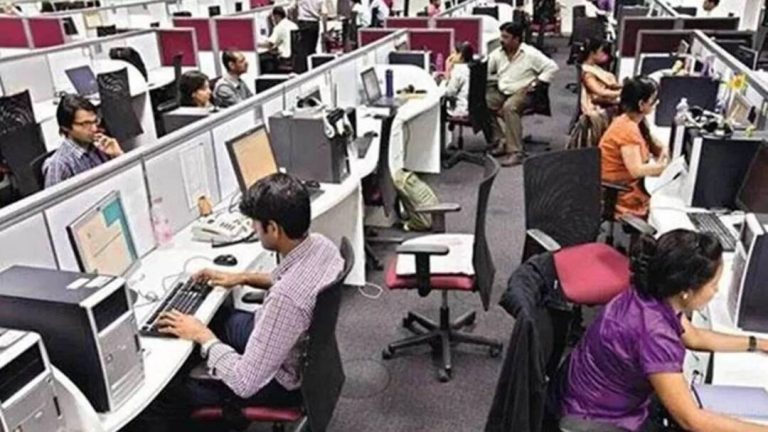
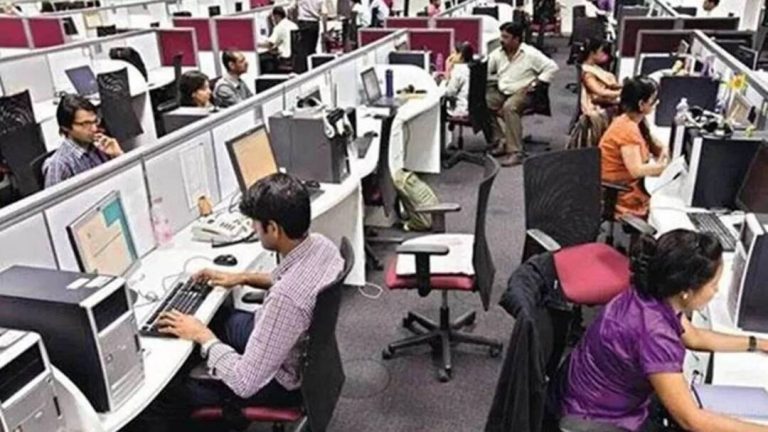
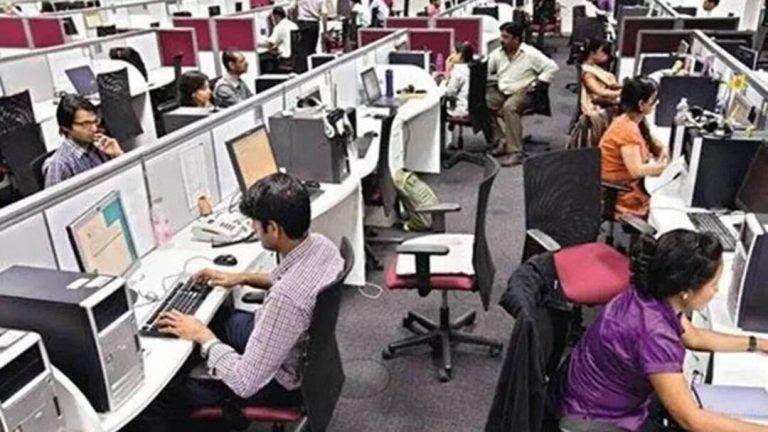
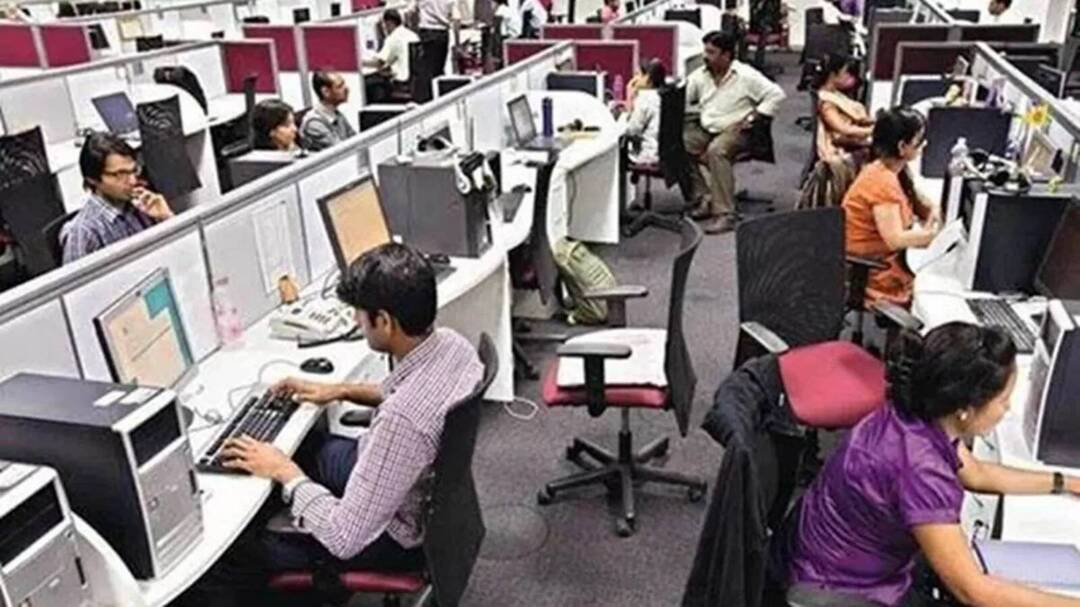
The IT services industry in India is a significant contributor to the country’s GDP and employment. The industry has been growing rapidly over the past few decades, and has become a major hub for outsourcing and offshoring of IT services. However, the industry has also faced several challenges, including complex tax regulations and uncertainty over profit margins.
The new safe harbour margin and threshold are expected to provide a boost to the IT services industry in India. The move is expected to attract more investment and talent to the industry, and help to increase exports and revenue. The industry is also expected to create more jobs and contribute to the country’s economic growth.
The government’s decision to introduce a common safe harbour margin for IT services is also expected to reduce disputes and litigation. The earlier approach of determining the arm’s length price of international transactions was complex and time-consuming, and often led to disputes and litigation. The new approach is expected to simplify the process and reduce the compliance burden on taxpayers.
In conclusion, the introduction of a common safe harbour margin of 15.5% for IT services and the enhancement of the threshold for availing safe harbour are significant moves that are expected to benefit the IT services industry in India. The moves are expected to provide a sense of certainty and stability to the industry, and help to reduce disputes and litigation. The industry is expected to grow rapidly over the next few years, and contribute significantly to the country’s economic growth.
The government’s decision to introduce a common safe harbour margin for IT services is a welcome move, and is expected to have a positive impact on the industry. The move is expected to attract more investment and talent to the industry, and help to increase exports and revenue. The industry is also expected to create more jobs and contribute to the country’s economic growth.
The IT services industry in India is a significant contributor to the country’s GDP and employment. The industry has been growing rapidly over the past few decades, and has become a major hub for outsourcing and offshoring of IT services. The industry is expected to continue to grow rapidly over the next few years, and contribute significantly to the country’s economic growth.
The government’s decision to introduce a common safe harbour margin for IT services is a significant move that is expected to benefit the industry. The move is expected to provide a sense of certainty and stability to the industry, and help to reduce disputes and litigation. The industry is expected to grow rapidly over the next few years, and contribute significantly to the country’s economic growth.
The introduction of a common safe harbour margin for IT services is a welcome move, and is expected to have a positive impact on the industry. The move is expected to attract more investment and talent to the industry, and help to increase exports and revenue. The industry is also expected to create more jobs and contribute to the country’s economic growth.
For more information on this topic, please visit: https://www.moneycontrol.com/news/business/union-budget-2026-live-news-updates-finance-minister-nirmala-sitharaman-budget-speech-key-announcements-liveblog-13802050.html/amp
About the Author