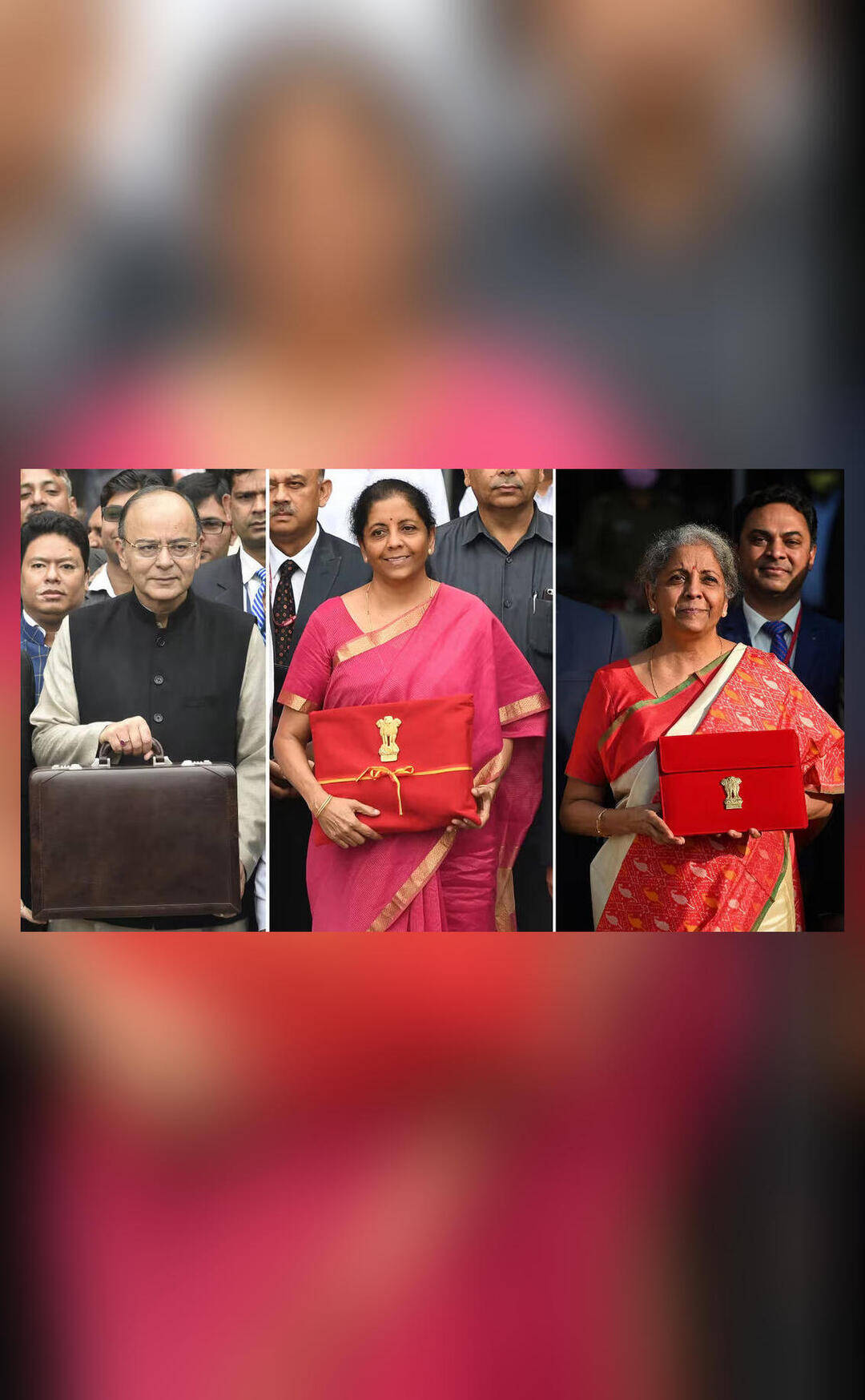
How has Union Budget’s presentation changed over the years, from a briefcase to a tablet?
The Union Budget of India is one of the most highly anticipated events in the country’s economic calendar. Every year, the Finance Minister presents the Budget to the Parliament, outlining the government’s fiscal plans and policies for the upcoming year. Over the years, the presentation of the Union Budget has undergone significant changes, reflecting the evolving times and technological advancements. In this blog post, we will explore the transformations that the Union Budget’s presentation has undergone, from the traditional briefcase to the modern tablet.
One of the most notable changes in the presentation of the Union Budget was the shift in the date of presentation. Until 2017, the Budget was presented on the last day of February. However, in 2017, the government decided to advance the presentation date to February 1. This change was aimed at enabling the ministries to implement the Budget provisions from the beginning of the financial year, rather than waiting for the previous year to end. This change has helped in ensuring a smoother rollout of the government’s fiscal plans and has given a head start to the implementation of the Budget provisions.
Another significant change in the presentation of the Union Budget was the shift in the presentation time. Until 1999, the Budget was presented at 5:00 pm. However, in 1999, the presentation time was changed to 11:00 am. This change was aimed at ensuring that the Budget speech is broadcast live on television and radio, allowing the citizens to watch and listen to the presentation in real-time. This change has helped in increasing transparency and has enabled the citizens to stay informed about the government’s fiscal plans and policies.
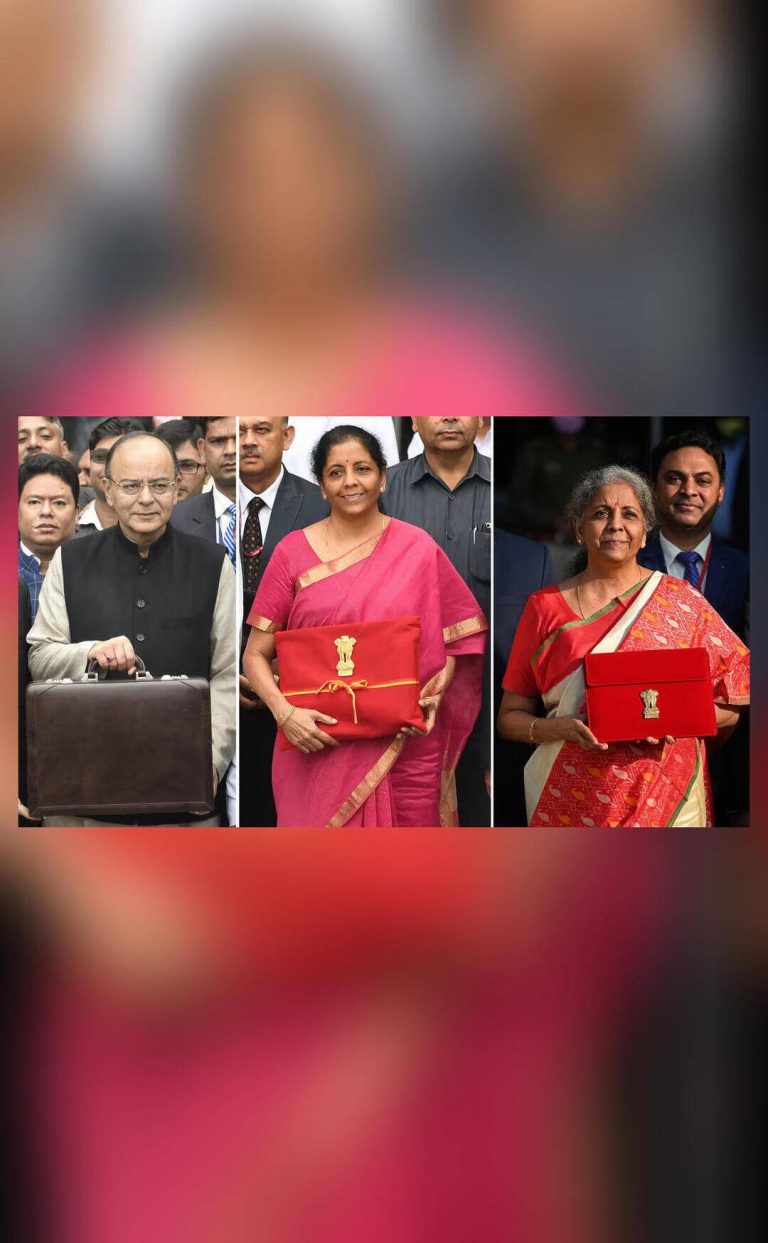
In recent years, the presentation of the Union Budget has undergone a significant transformation in terms of the medium used to carry the Budget documents. Until 2019, the Finance Minister used to carry the Budget documents in a traditional briefcase. However, in 2019, Finance Minister Nirmala Sitharaman broke away from this tradition and used a cloth-wrapped ‘bahi khata’ to carry the Budget documents. This change was seen as a symbolic move, aimed at signifying the government’s commitment to embracing Indian traditions and culture.
The most significant transformation in the presentation of the Union Budget, however, was the switch to a paperless Budget in 2021. For the first time in the history of the Indian Budget, the Finance Minister presented the Budget on a Made-in-India tablet. This move was aimed at reducing the environmental impact of the Budget presentation and at showcasing the government’s commitment to digitalization. The paperless Budget was a significant departure from the traditional practice of printing thousands of copies of the Budget documents, which used to result in a significant amount of paper waste.
The switch to a paperless Budget has also helped in increasing the efficiency and transparency of the Budget presentation process. The use of a tablet has enabled the Finance Minister to access the Budget documents easily and has facilitated the real-time updates and changes to the Budget speech. This has helped in reducing the errors and has ensured that the Budget presentation is smooth and seamless.
In conclusion, the presentation of the Union Budget has undergone significant changes over the years, reflecting the evolving times and technological advancements. From the traditional briefcase to the modern tablet, the medium used to carry the Budget documents has transformed significantly. The changes in the date and time of presentation, as well as the switch to a paperless Budget, have helped in increasing the efficiency, transparency, and environmental sustainability of the Budget presentation process. As the Indian economy continues to grow and evolve, it is likely that the presentation of the Union Budget will undergo further transformations, reflecting the changing needs and priorities of the country.
The last 10 Budgets presented in the Modi regime have been significant in terms of the key highlights and announcements. The government has focused on various sectors, including infrastructure, healthcare, education, and agriculture, among others. The Budgets have also seen a significant increase in allocations for various schemes and programs, aimed at promoting economic growth and social welfare. As the country looks forward to the upcoming Budget, it will be interesting to see the new initiatives and announcements that the government will make.
About the Author