Bangladesh Garment Workers Struggle After Uprising Fallout
The recent uprising in Bangladesh, which led to the toppling of Sheikh Hasina’s government in 2024, has had a devastating impact on the country’s garment sector. The industry, which is the backbone of Bangladesh’s economy, is facing deep distress, with over 240 factories shutting down, leaving thousands of workers, including Sabina Khatun, jobless and struggling to make ends meet.
The garment sector in Bangladesh has been the driving force behind the country’s economic growth, accounting for over 80% of the country’s exports. However, the uprising and the subsequent change in government have led to a sharp decline in exports, with many international buyers canceling their orders or postponing them indefinitely. This has resulted in a significant loss of revenue for the factories, forcing many of them to shut down operations.
Sabina Khatun, a 25-year-old garment worker, is one of the many workers who have been affected by the shutdown of factories. She had been working in a garment factory in Dhaka, the capital city of Bangladesh, for over five years, earning a decent income that allowed her to support her family. However, after the factory shut down, she found herself without a job, struggling to make ends meet.
“I had never imagined that I would lose my job so suddenly,” Sabina said in an interview. “I had been working in the factory for over five years, and I had never faced any problems. But after the uprising, the factory shut down, and I was left without a job. I have been trying to find a new job, but it’s not easy. Many factories are shutting down, and there are not many job opportunities available.”
The shutdown of factories has not only affected the workers but also had a ripple effect on the economy. The country’s exports have weakened significantly, with the garment sector being the worst affected. The Bangladesh Garment Manufacturers and Exporters Association (BGMEA) has reported a decline of over 20% in exports in the past year, with many factories struggling to stay afloat.
The economic distress has also led to a rise in unemployment, with many workers struggling to find new jobs. The government has announced several initiatives to support the workers, including a scheme to provide financial assistance to those who have lost their jobs. However, many workers feel that the government needs to do more to support the industry and provide job opportunities.
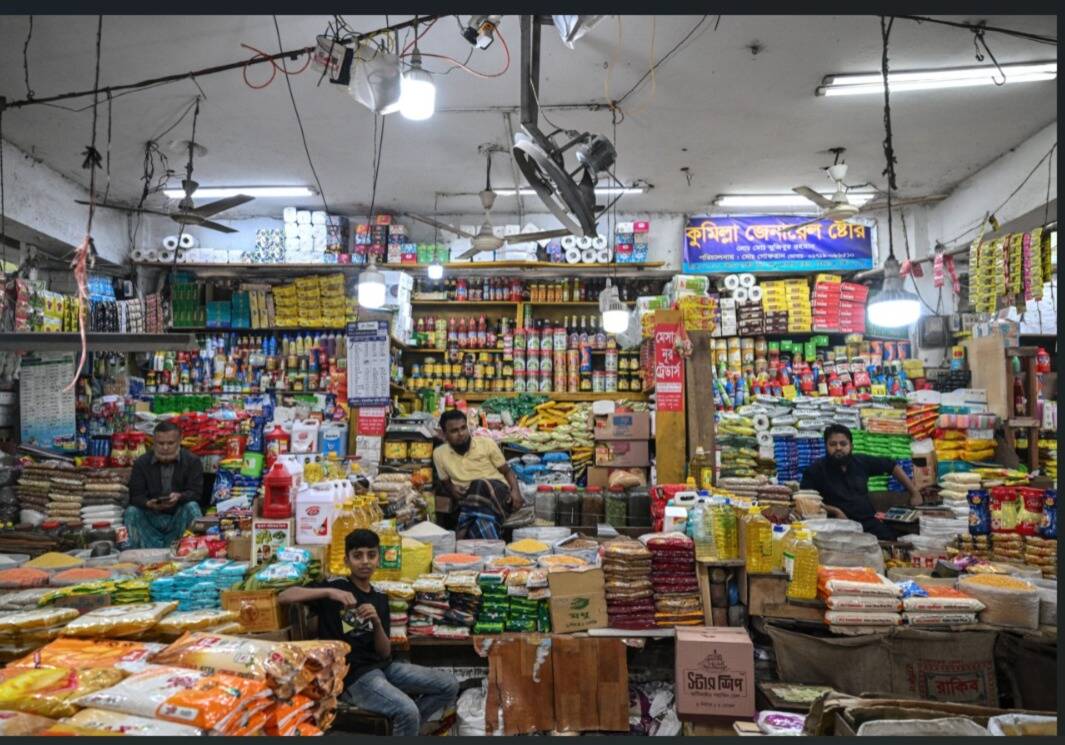
While the economy shows mild recovery, inflation persists, and the cost of living continues to rise. Many workers are finding it difficult to make ends meet, with the price of basic commodities, such as food and housing, increasing significantly. The government has announced several measures to control inflation, including a reduction in taxes on essential commodities, but many workers feel that more needs to be done to address the issue.
As the country prepares for the February 12 elections, many workers are pinning their hopes on stability and revival after the polls. The elections are seen as an opportunity for the country to move forward and address the economic challenges facing the garment sector. Many workers are hoping that the new government will take steps to support the industry, including providing financial assistance to factories and creating job opportunities.
The garment sector in Bangladesh has been a success story, with the industry growing rapidly over the past few decades. However, the recent uprising and the subsequent economic distress have highlighted the need for the government to take steps to support the industry and provide job opportunities. The upcoming elections provide an opportunity for the country to move forward and address the challenges facing the garment sector.
In conclusion, the Bangladesh garment workers are struggling after the uprising fallout, with many factories shutting down and workers losing their jobs. The economy is showing mild recovery, but unemployment is rising, exports are weak, and inflation persists. Many workers are pinning their hopes on stability and revival after the February 12 elections, and it remains to be seen whether the new government will take steps to support the industry and provide job opportunities.
The situation in Bangladesh is a reminder of the challenges facing the garment industry globally. The industry is a significant contributor to the economy of many countries, but it is also vulnerable to economic and political instability. The recent uprising in Bangladesh highlights the need for governments to take steps to support the industry and provide job opportunities, particularly in times of economic distress.
As the world watches the developments in Bangladesh, it is clear that the country needs stability and support to address the challenges facing the garment sector. The upcoming elections provide an opportunity for the country to move forward and address the economic challenges facing the industry. It remains to be seen whether the new government will take steps to support the industry and provide job opportunities, but one thing is clear: the garment workers in Bangladesh are struggling, and they need support and stability to get back on their feet.
About the Author