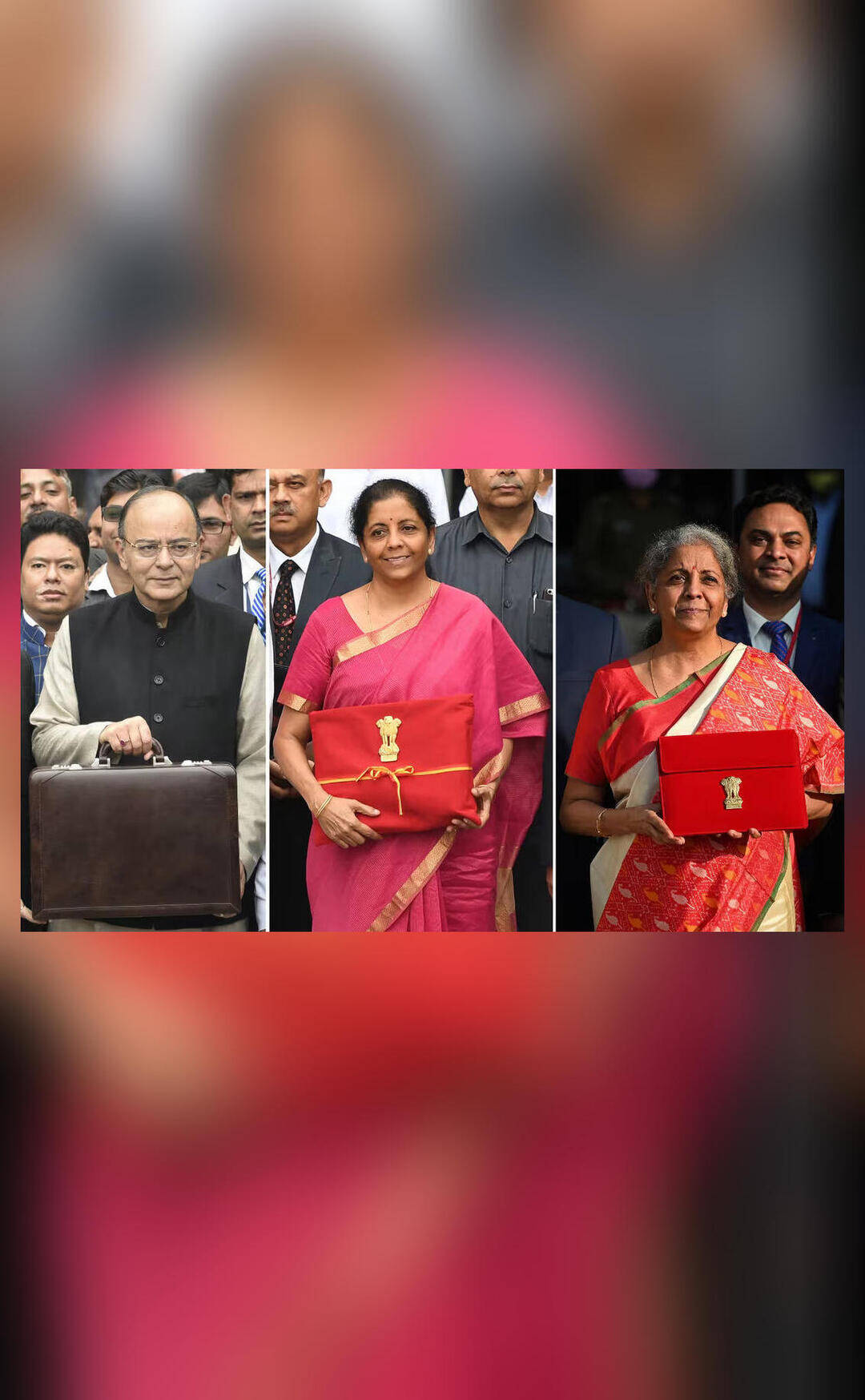
How has Union Budget’s presentation changed over the years, from a briefcase to a tablet?
The Union Budget of India, presented by the Finance Minister every year, is one of the most significant events in the country’s economic calendar. The Budget presentation has undergone significant changes over the years, reflecting the evolving needs and priorities of the nation. In this blog post, we will explore the transformation of the Union Budget presentation, from the traditional briefcase to the modern tablet, and highlight some of the key changes that have taken place in recent years.
Historically, the Union Budget was presented on the last day of February, at 5:00 pm. However, in 2017, the government decided to advance the presentation date to February 1, with the presentation time changing to 11:00 am in 1999. This change was aimed at enabling the Budget to be implemented from the beginning of the new financial year, rather than mid-year.
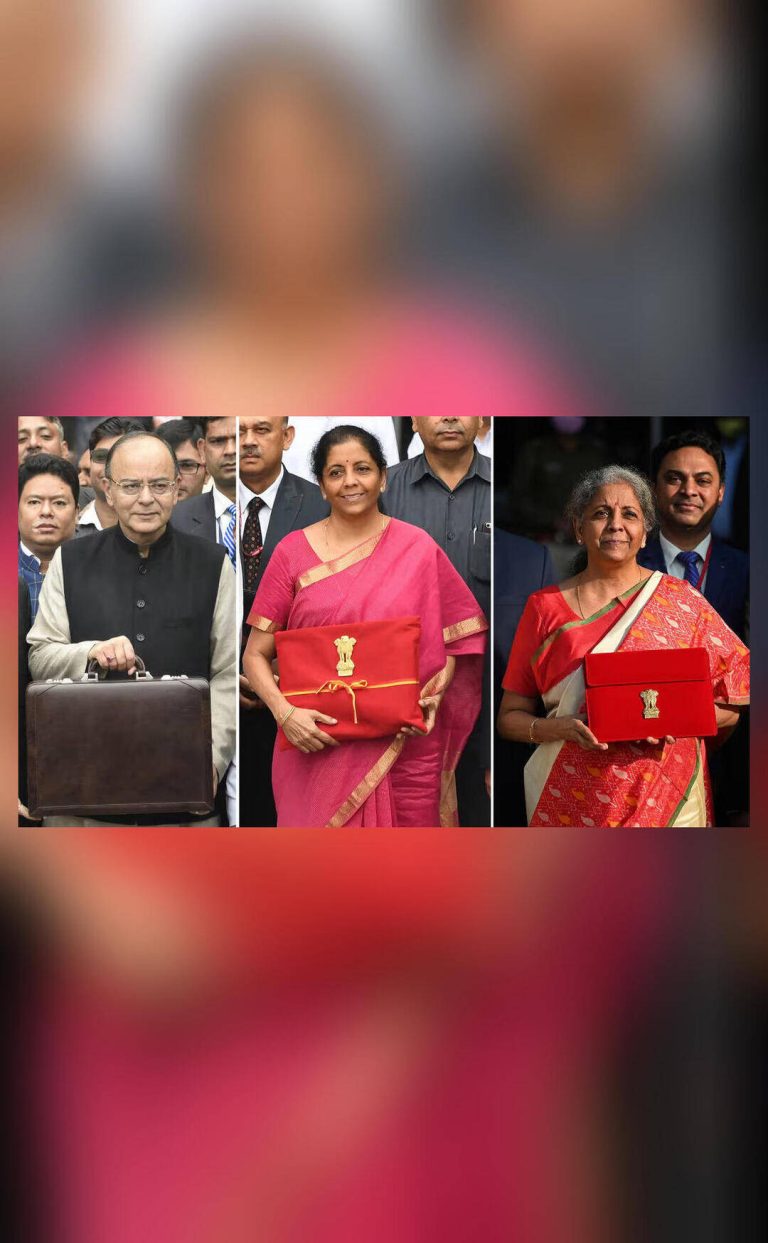
Another significant change in the Budget presentation was the introduction of a new tradition by Finance Minister Nirmala Sitharaman in 2019. Sitharaman switched from the traditional briefcase to a cloth-wrapped ‘bahi khata’ (a traditional Indian ledger book) to carry the Budget documents. This move was seen as a nod to India’s rich cultural heritage and a departure from the colonial-era tradition of carrying a briefcase.
The most significant change, however, came in 2021, when Sitharaman presented India’s first paperless Budget on a Made-in-India tablet. This move marked a significant shift towards digitalization and was seen as a step towards reducing the environmental impact of the Budget presentation. The paperless Budget was also a reflection of the government’s commitment to embracing technology and innovation.
The transition from a briefcase to a tablet is not just a symbolic change; it also reflects the changing nature of the Budget presentation itself. In recent years, the Budget has become more comprehensive, covering a wide range of sectors and initiatives. The use of digital technology has enabled the government to present the Budget in a more engaging and accessible manner, with interactive graphs, charts, and other visual aids.
The past decade has seen significant changes in the Union Budget presentation, with a focus on promoting economic growth, improving infrastructure, and enhancing social welfare. The Modi regime has presented 10 Budgets so far, each with its own set of key highlights and initiatives. Some of the notable initiatives include the introduction of the Goods and Services Tax (GST), the launch of the Make in India program, and the establishment of the Ayushman Bharat health insurance scheme.
In conclusion, the Union Budget presentation has undergone significant changes over the years, reflecting the evolving needs and priorities of the nation. From the traditional briefcase to the modern tablet, the presentation has become more digital, more comprehensive, and more engaging. As the government continues to embrace technology and innovation, we can expect the Budget presentation to become even more sophisticated and accessible in the years to come.
To know more about the key highlights of the last 10 Budgets presented in the Modi regime, and the transition from the traditional briefcase to the bahi khata, visit: https://www.freepressjournal.in/amp/business/budget-2024-check-key-highlights-of-last-10-budgets-presented-in-modi-regime-transitioning-from-traditional-briefcase-to-bahi-khata
The changes in the Budget presentation are a reflection of the government’s commitment to embracing change and innovation. As the country continues to grow and evolve, it will be interesting to see how the Budget presentation adapts to the changing needs and priorities of the nation. One thing is certain, however: the Union Budget will continue to play a critical role in shaping the country’s economic future, and its presentation will remain an important event in the country’s economic calendar.
The use of digital technology has also enabled the government to increase transparency and accountability in the Budget presentation. The online availability of Budget documents and data has made it easier for citizens to access and analyze the Budget, promoting greater public participation and engagement. This increased transparency has also helped to build trust in the government’s fiscal management and decision-making processes.
In addition to the changes in the presentation, the Union Budget has also become more inclusive and comprehensive, covering a wide range of sectors and initiatives. The Budget now includes allocations for initiatives such as education, healthcare, infrastructure, and social welfare, reflecting the government’s commitment to promoting economic growth and development.
The transition to a paperless Budget has also had a significant impact on the environment. The use of digital technology has reduced the need for printed documents, resulting in a significant reduction in paper usage and waste. This move is in line with the government’s commitment to promoting sustainability and reducing its environmental footprint.
In conclusion, the Union Budget presentation has undergone significant changes over the years, reflecting the evolving needs and priorities of the nation. From the traditional briefcase to the modern tablet, the presentation has become more digital, more comprehensive, and more engaging. As the government continues to embrace technology and innovation, we can expect the Budget presentation to become even more sophisticated and accessible in the years to come.
To know more about the key highlights of the last 10 Budgets presented in the Modi regime, and the transition from the traditional briefcase to the bahi khata, visit: https://www.freepressjournal.in/amp/business/budget-2024-check-key-highlights-of-last-10-budgets-presented-in-modi-regime-transitioning-from-traditional-briefcase-to-bahi-khata
About the Author