How has Union Budget’s presentation changed over the years, from a briefcase to a tablet?
The Union Budget, one of the most significant economic events in India, has undergone significant changes in its presentation over the years. From the traditional briefcase to a cloth-wrapped ‘bahi khata’ and finally to a Made-in-India tablet, the mode of presenting the Budget has evolved with time. In this blog post, we will delve into the history of the Union Budget’s presentation and explore the changes that have taken place over the years.
Historically, the Union Budget was presented on the last day of February, at 5:00 pm. However, in 1999, the presentation time was changed to 11:00 am. This change was made to ensure that the markets had a full day to react to the Budget announcements. The date of presentation was again changed in 2017, when the government decided to present the Budget on February 1, instead of the last day of February. This change was made to enable the passage of the Budget before the start of the new financial year, allowing for a smoother allocation of funds.
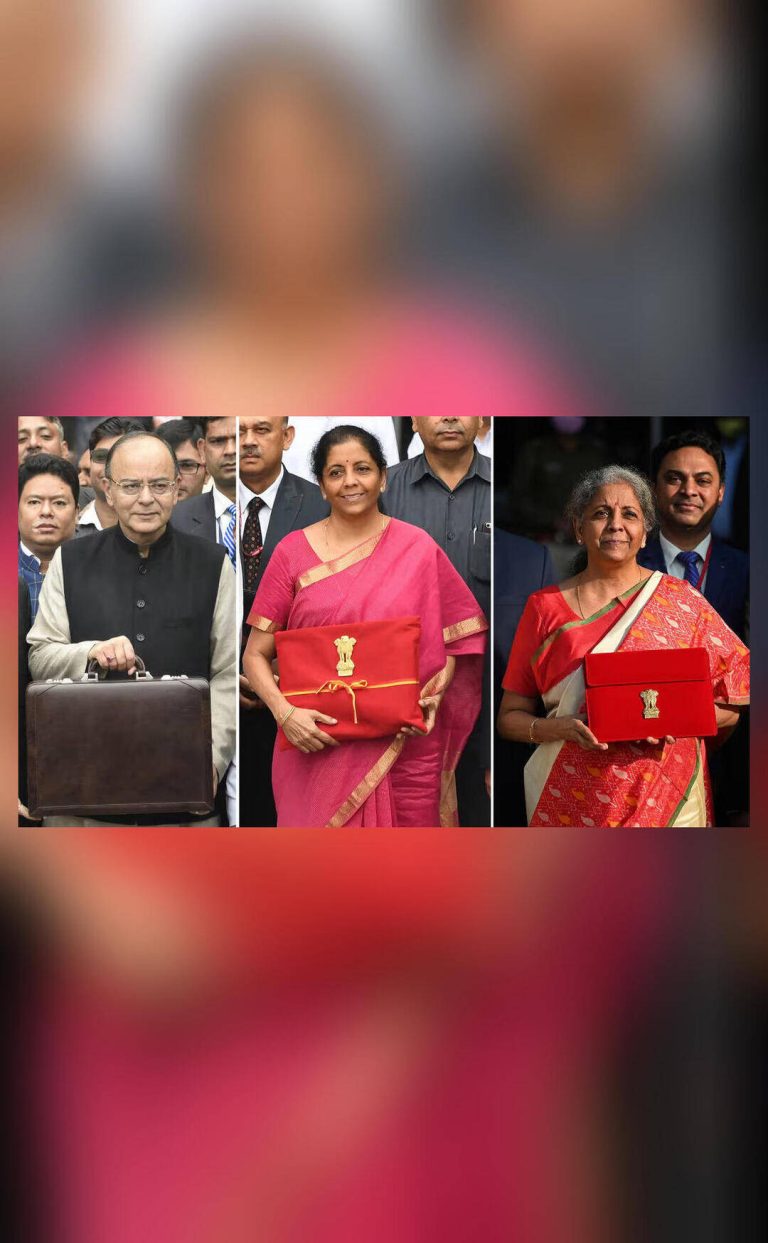
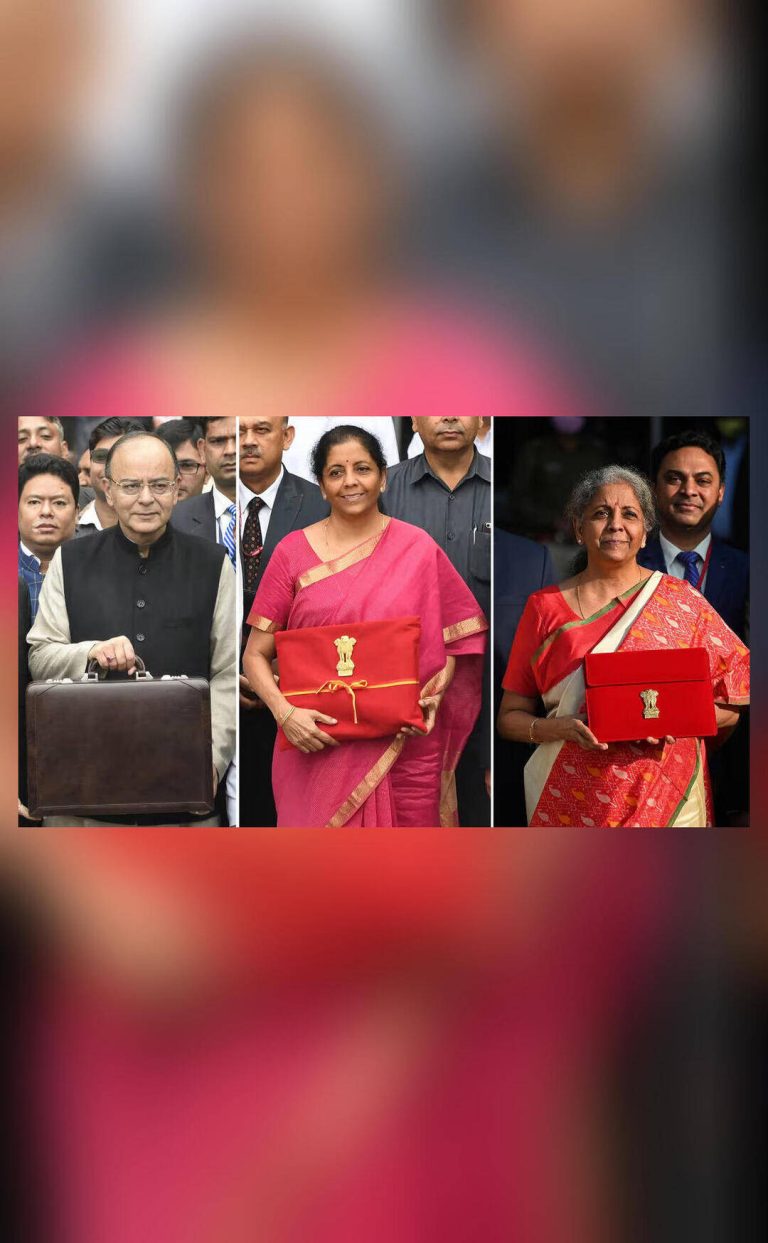
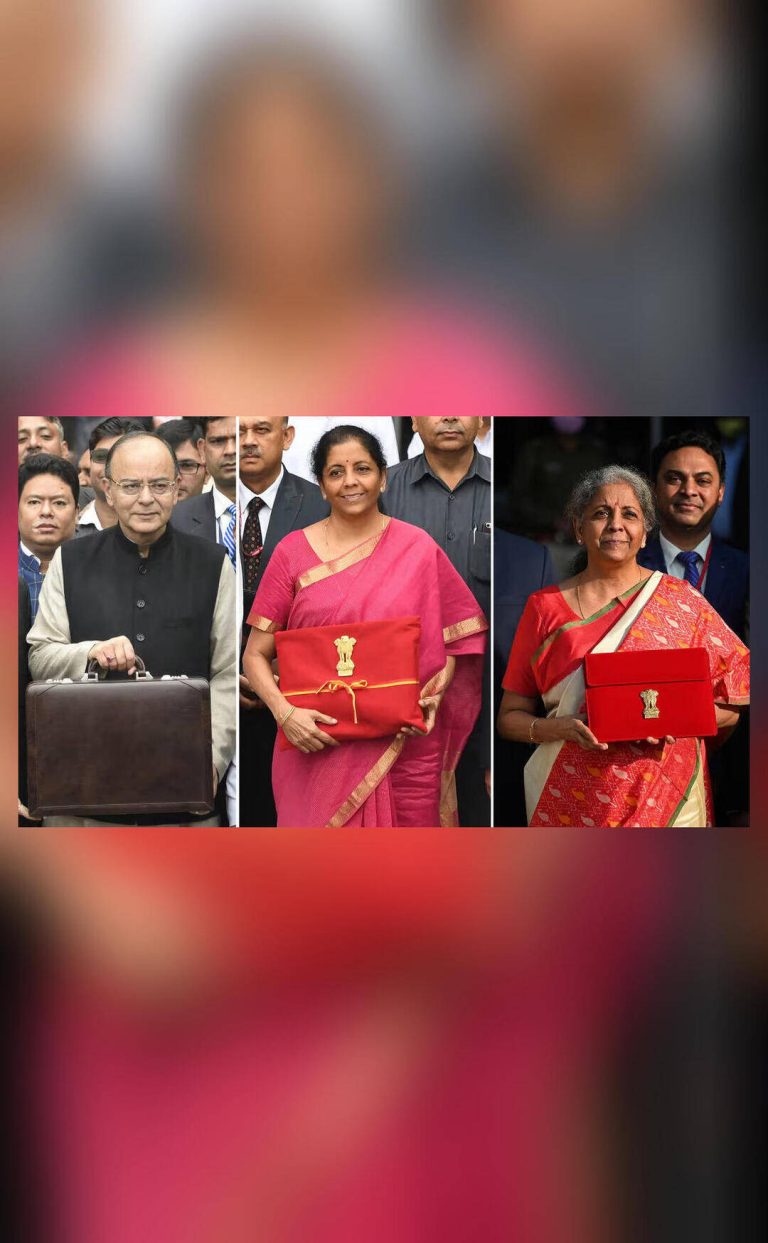
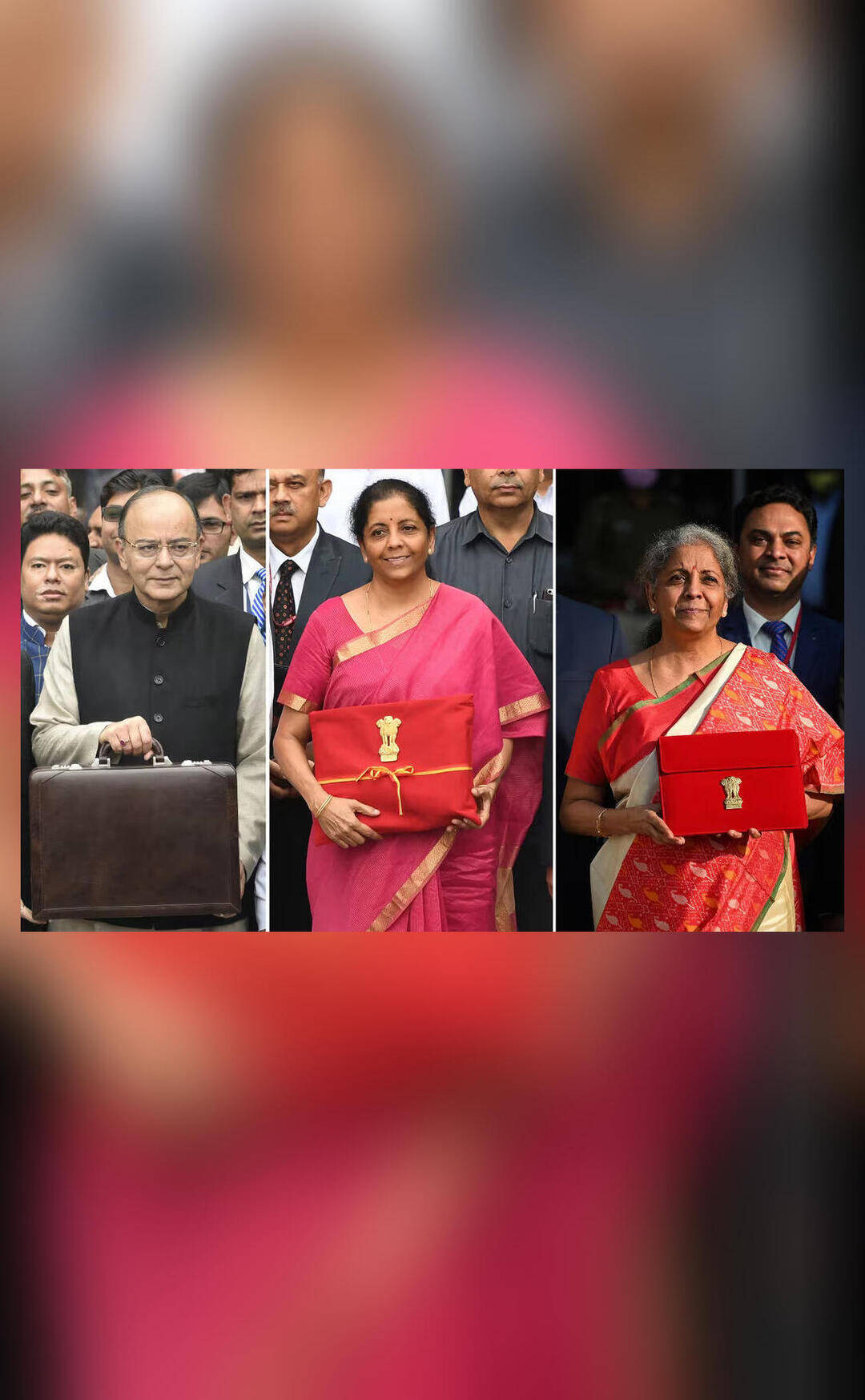
Another significant change in the presentation of the Union Budget was the switch from a briefcase to a cloth-wrapped ‘bahi khata’ in 2019. Finance Minister Nirmala Sitharaman made this change, opting for a traditional Indian ledger, wrapped in a red cloth, to carry the Budget documents. This move was seen as a nod to India’s rich cultural heritage and a departure from the traditional briefcase, which was used by previous Finance Ministers.
However, the most significant change in the presentation of the Union Budget came in 2021, when Finance Minister Nirmala Sitharaman presented India’s first paperless Budget. Instead of carrying a briefcase or a ‘bahi khata’, Sitharaman used a Made-in-India tablet to present the Budget. This move marked a significant shift towards a digital and eco-friendly approach, in line with the government’s Digital India initiative.
The use of a tablet to present the Budget also marked a significant departure from the traditional mode of presentation, where the Finance Minister would read out the Budget speech from a printed document. With the tablet, the Budget documents were available digitally, allowing for easier access and dissemination of information. This change also helped reduce the environmental impact of the Budget presentation, as it eliminated the need for printing thousands of copies of the Budget documents.
The transition from a traditional briefcase to a tablet is not just a symbolic change; it reflects the government’s commitment to embracing technology and moving towards a digital economy. The use of a Made-in-India tablet also highlights the government’s focus on promoting domestic manufacturing and reducing dependence on foreign technology.
In addition to the changes in the mode of presentation, the Union Budget has also undergone significant changes in its content over the years. The Budget has become more comprehensive, covering a wide range of sectors and initiatives. The government has also increased its focus on social welfare schemes, infrastructure development, and economic growth.
As we look back at the last 10 Budgets presented in the Modi regime, it is clear that the government has made significant efforts to transition from traditional methods to more modern and digital approaches. From the change in the date and time of presentation to the switch from a briefcase to a tablet, the Union Budget has undergone a significant transformation over the years.
In conclusion, the presentation of the Union Budget has undergone significant changes over the years, reflecting the government’s commitment to embracing technology and moving towards a digital economy. From the traditional briefcase to a cloth-wrapped ‘bahi khata’ and finally to a Made-in-India tablet, the mode of presenting the Budget has evolved with time. As we look to the future, it will be interesting to see how the government continues to innovate and modernize the Budget presentation, making it more accessible and eco-friendly.
About the Author