Bangladesh Garment Workers Struggle After Uprising Fallout
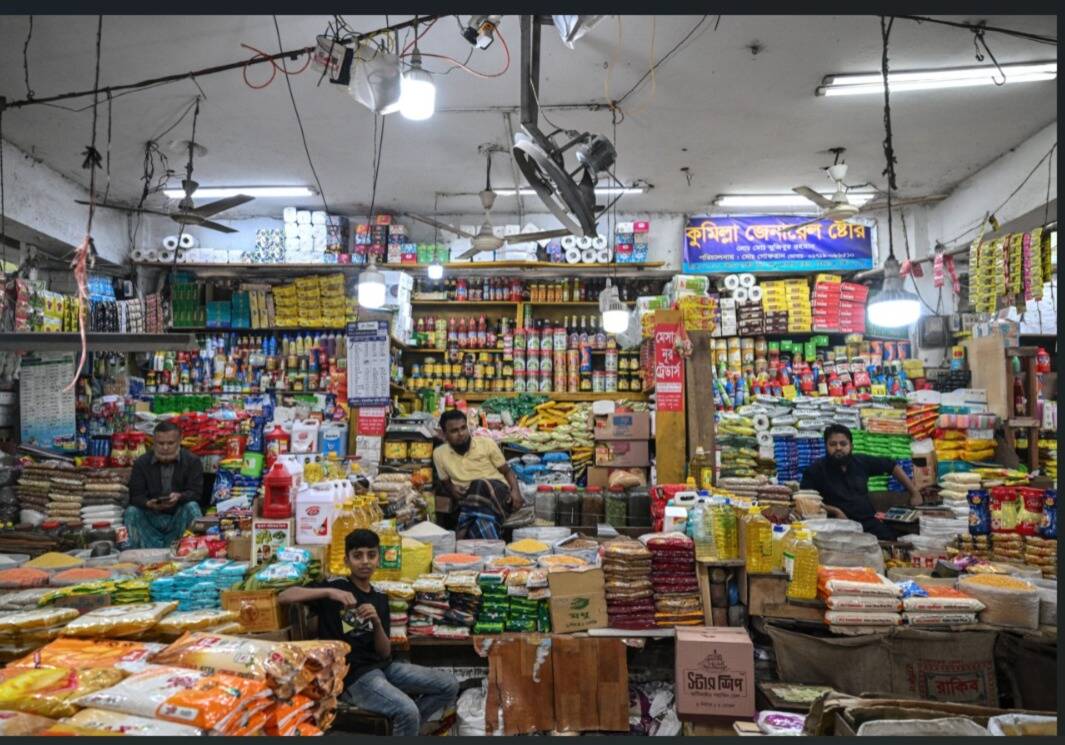
The garment sector in Bangladesh, once a thriving industry that drove the country’s economy, is now facing deep distress. The aftermath of the 2024 uprising that toppled Sheikh Hasina’s government has left the sector reeling, with over 240 factories shutting down and leaving thousands of workers like Sabina Khatun jobless. The economic fallout of the uprising has been severe, with rising unemployment, weak exports, and persistent inflation.
The garment industry is the backbone of Bangladesh’s economy, accounting for over 80% of the country’s exports. However, the sector has been struggling to recover from the impact of the uprising. Many factories have been forced to shut down due to a lack of orders, while others have struggled to pay their workers. The situation has become so dire that many workers have been forced to take to the streets to protest against the government’s handling of the crisis.
Sabina Khatun, a 25-year-old garment worker, is one of the many who have been left jobless. She worked at a factory in Dhaka, the capital city of Bangladesh, for over five years before it shut down in the wake of the uprising. “I was earning a decent income and was able to support my family,” she said. “But now, I am struggling to make ends meet. I have applied to several factories, but no one is hiring.”
The shutdown of factories has not only affected workers like Sabina but also had a ripple effect on the economy. The country’s exports have weakened, and the value of the Bangladeshi taka has depreciated. The inflation rate has also remained high, making it difficult for people to afford basic necessities. The government has announced several measures to support the garment sector, including a bailout package and a reduction in taxes. However, these measures have had little impact, and the sector continues to struggle.
The economic distress has also had a political impact. The government, which was already facing criticism for its handling of the uprising, is now facing increasing pressure to address the economic crisis. The opposition parties have been quick to capitalize on the situation, accusing the government of mishandling the economy. The situation has become so volatile that the government has been forced to announce elections, which are scheduled to take place on February 12.
The elections have raised hopes among many Bangladeshis that the country will finally be able to move forward and address the economic crisis. Many workers, like Sabina, are pinning their hopes on the elections, believing that a new government will be able to bring stability and revival to the garment sector. “I am hoping that the new government will be able to create jobs and support the garment sector,” she said. “I want to go back to work and earn a decent income.”
However, the road to recovery will not be easy. The garment sector faces several challenges, including a lack of competitiveness and a failure to diversify. The sector is heavily reliant on a few major markets, including the United States and Europe, and a decline in demand from these markets can have a significant impact. The sector also faces competition from other countries, including Vietnam and Cambodia, which have been able to attract more foreign investment.
To address these challenges, the government will need to implement a range of reforms. This will include investing in infrastructure, such as roads and ports, to improve the competitiveness of the sector. The government will also need to support the development of new industries, such as textiles and apparel, to diversify the economy. Additionally, the government will need to address the issue of labor rights, which has been a major concern for many workers.
In conclusion, the garment sector in Bangladesh is facing a deep crisis in the aftermath of the 2024 uprising. The shutdown of factories has left thousands of workers jobless, and the economy is struggling to recover. While the government has announced several measures to support the sector, these measures have had little impact. The upcoming elections have raised hopes among many Bangladeshis that the country will finally be able to move forward and address the economic crisis. However, the road to recovery will not be easy, and the government will need to implement a range of reforms to support the garment sector and diversify the economy.
About the Author