How has Union Budget’s presentation changed over the years, from a briefcase to a tablet?
The Union Budget, one of the most anticipated events in India’s financial calendar, has undergone significant changes in its presentation over the years. From the traditional briefcase to a cloth-wrapped ‘bahi khata’ and finally to a Made-in-India tablet, the way the Budget is presented has evolved to reflect the country’s growth and modernization. In this blog post, we will explore the changes in the Union Budget’s presentation and highlight the key milestones in this journey.
One of the most notable changes in the Union Budget’s presentation was the shift in the date of presentation. Until 2017, the Budget was presented at the end of February, typically on the last day of the month. However, in 2017, the date was changed to February 1, with the aim of giving the government more time to implement the Budget provisions before the start of the new financial year. This change was seen as a significant move towards improving the efficiency of the Budget-making process.
Another significant change was the shift in the presentation time of the Budget. Until 1999, the Budget was presented at 5:00 pm, but it was changed to 11:00 am to make it more convenient for the stock markets and the media. This change was seen as a step towards making the Budget presentation more transparent and accessible to a wider audience.
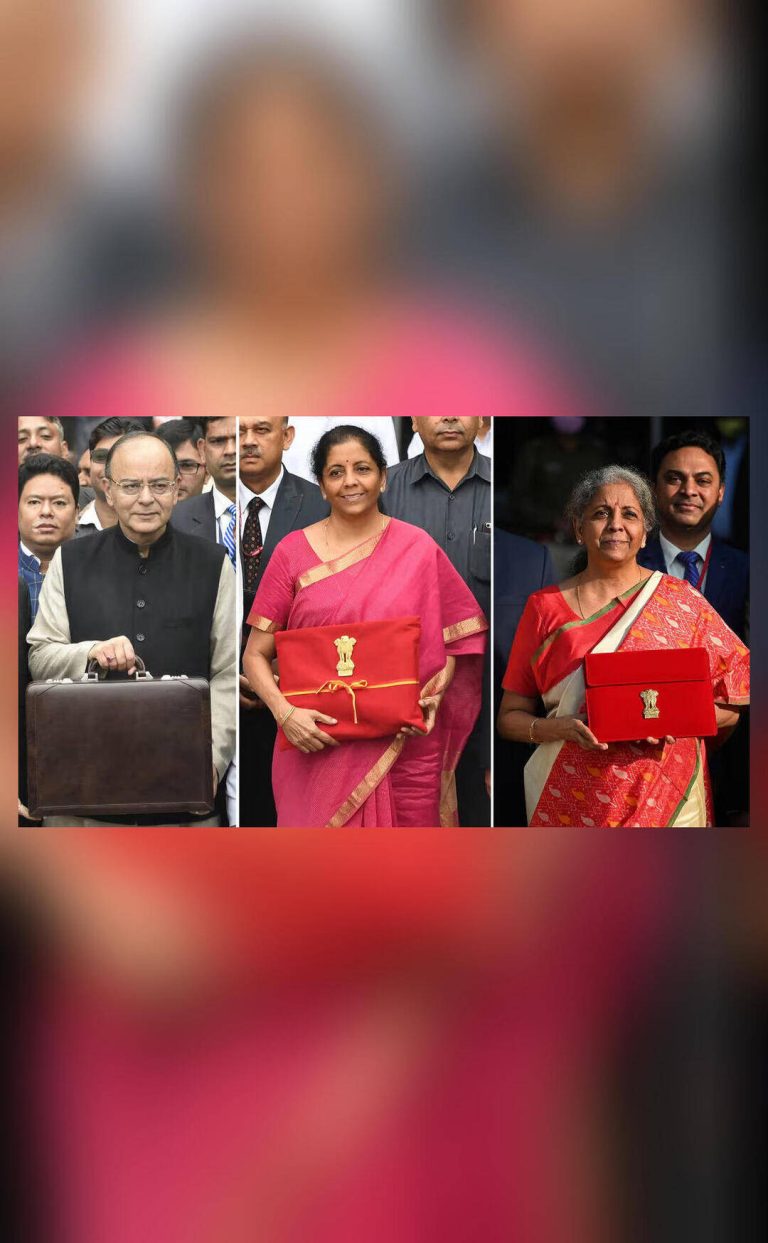
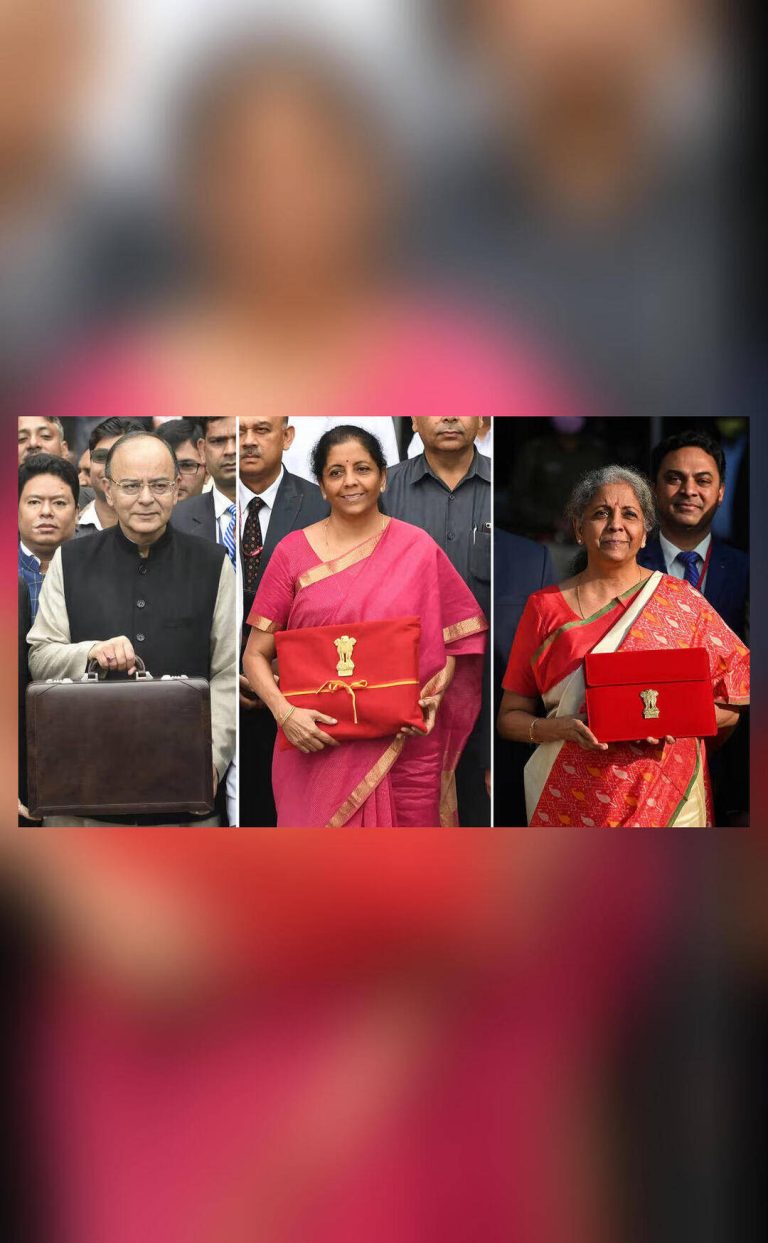
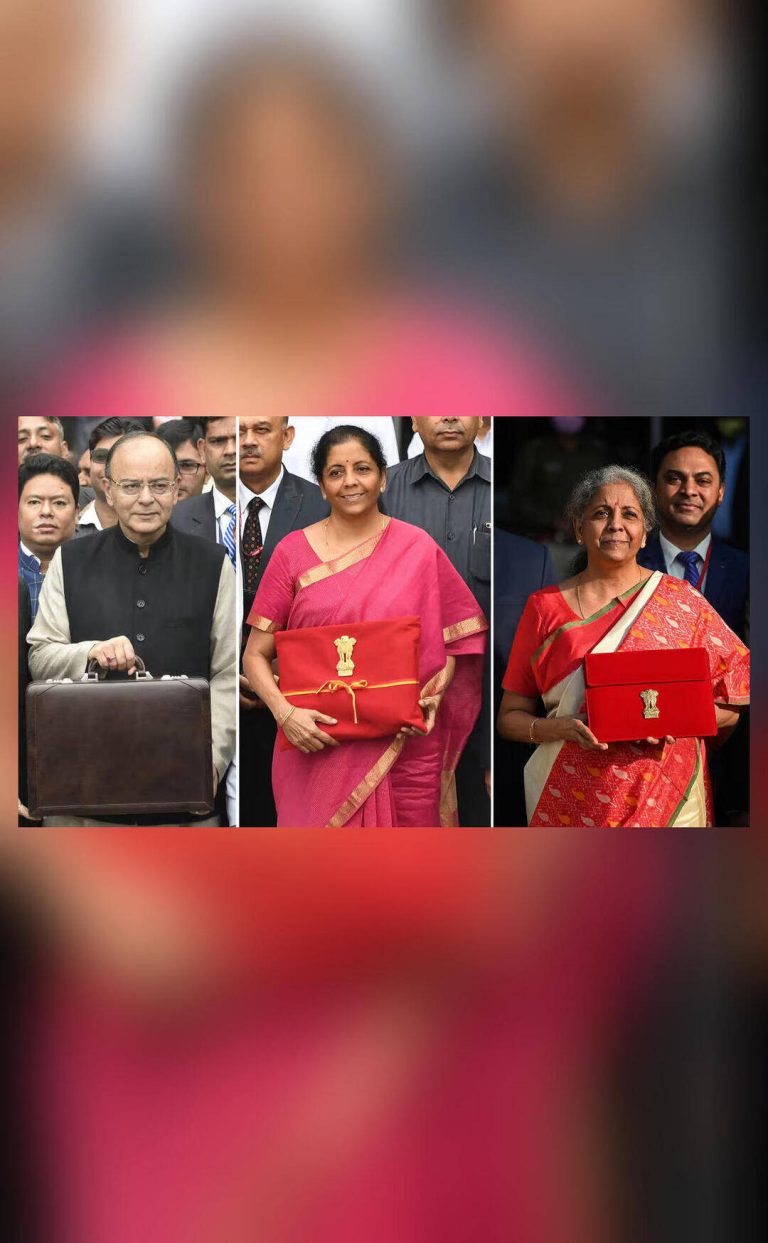
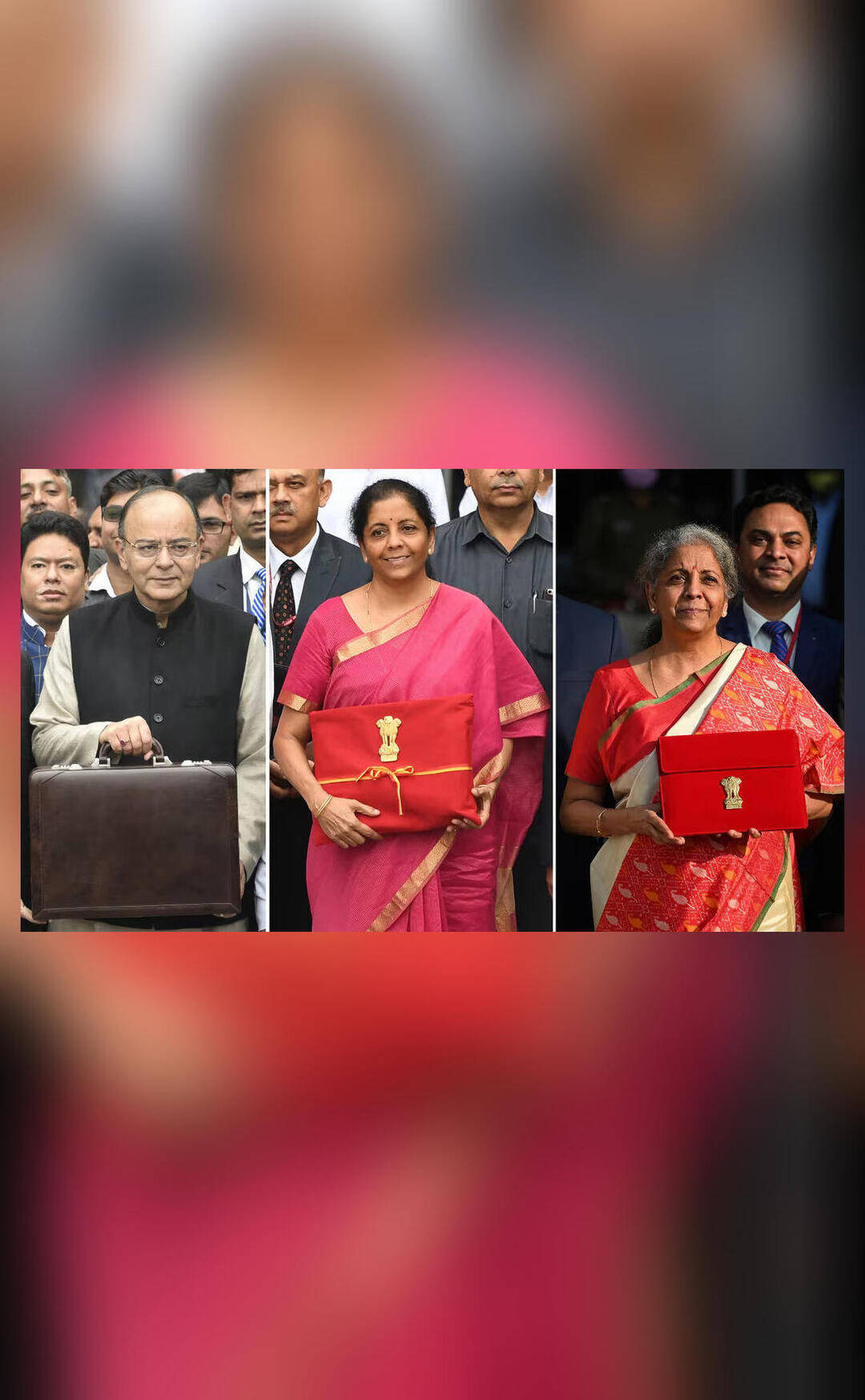
In recent years, the presentation of the Union Budget has become more modern and tech-savvy. In 2019, Finance Minister Nirmala Sitharaman broke away from the traditional briefcase and opted for a cloth-wrapped ‘bahi khata’ to carry the Budget documents. This move was seen as a nod to India’s rich cultural heritage and a symbol of the country’s commitment to tradition and modernity.
However, the most significant change in the Union Budget’s presentation came in 2021, when Finance Minister Nirmala Sitharaman presented India’s first paperless Budget on a Made-in-India tablet. This move was seen as a major step towards digitization and a reflection of the government’s commitment to reducing its carbon footprint. The use of a tablet also made it easier to access and navigate the Budget documents, making the presentation more efficient and convenient.
The transition from a traditional briefcase to a tablet is not just a change in the way the Budget is presented, but also reflects the changing times and the government’s efforts to modernize and digitize its processes. The use of technology has made it possible to make the Budget presentation more accessible, transparent, and efficient, and has also helped to reduce the environmental impact of the Budget-making process.
In addition to the changes in the presentation, the Union Budget has also undergone significant changes in its content and scope over the years. The Budget has become more comprehensive and inclusive, with a focus on social welfare, infrastructure development, and economic growth. The government has also made efforts to make the Budget more transparent and accountable, with the introduction of new initiatives such as the Goods and Services Tax (GST) and the Insolvency and Bankruptcy Code (IBC).
As we look back at the changes in the Union Budget’s presentation over the years, it is clear that the government has made significant efforts to modernize and digitize its processes. From the traditional briefcase to a cloth-wrapped ‘bahi khata’ and finally to a Made-in-India tablet, the presentation of the Budget has evolved to reflect the country’s growth and modernization. As we move forward, it will be interesting to see how the Union Budget continues to evolve and adapt to the changing needs and challenges of the country.
In conclusion, the Union Budget’s presentation has undergone significant changes over the years, from the traditional briefcase to a tablet. These changes reflect the government’s efforts to modernize and digitize its processes, and to make the Budget presentation more accessible, transparent, and efficient. As we look to the future, it is clear that the Union Budget will continue to play a critical role in shaping the country’s economic and social development, and it will be interesting to see how it continues to evolve and adapt to the changing needs and challenges of the country.
To know more about the Union Budget and its presentation, you can check the key highlights of the last 10 Budgets presented in the Modi regime, and how it has transitioned from a traditional briefcase to a bahi khata, and finally to a tablet, visit: https://www.freepressjournal.in/amp/business/budget-2024-check-key-highlights-of-last-10-budgets-presented-in-modi-regime-transitioning-from-traditional-briefcase-to-bahi-khata
About the Author