Bangladesh Garment Workers Struggle After Uprising Fallout
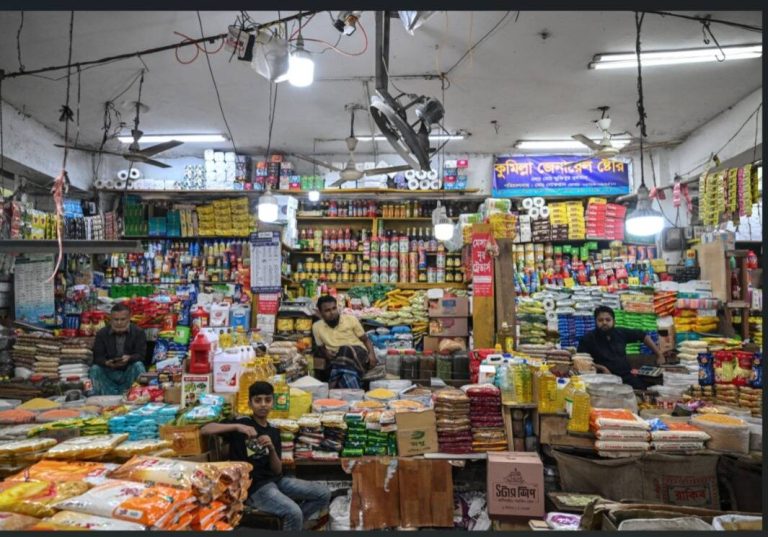
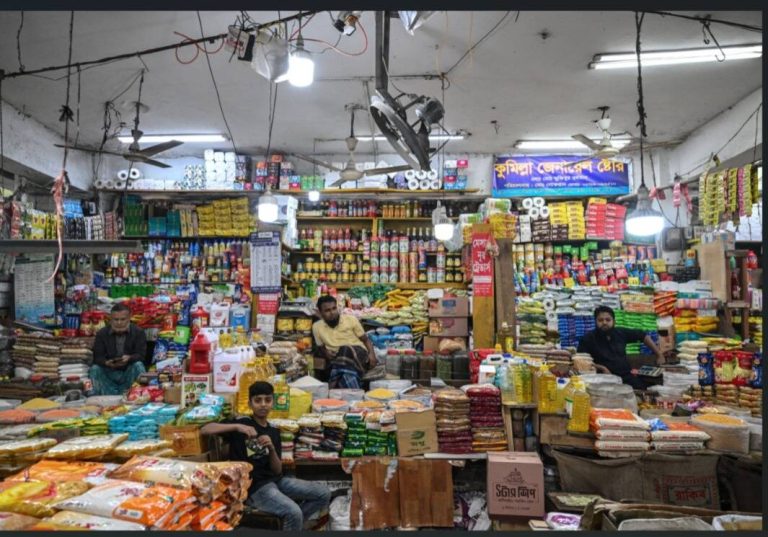
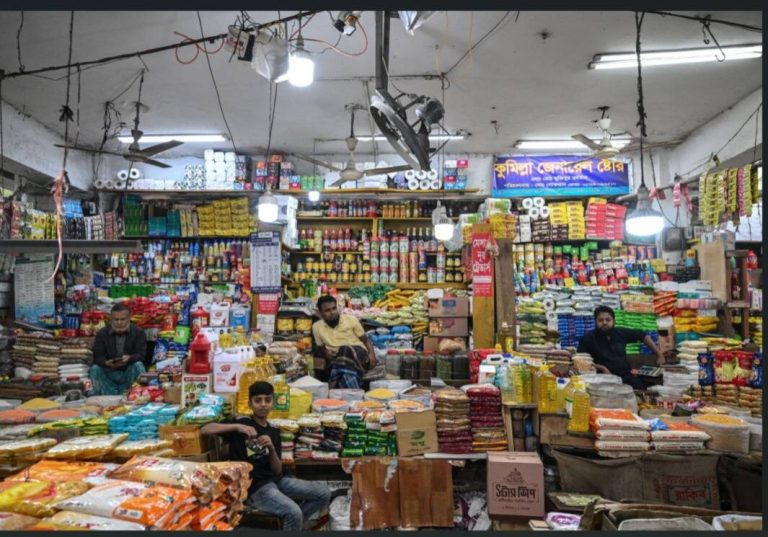
The garment sector, which is the backbone of Bangladesh’s economy, is facing deep distress after the 2024 uprising that toppled Sheikh Hasina’s government. The industry, which employs millions of workers, has been severely impacted, leaving many like Sabina Khatun jobless and struggling to make ends meet. The uprising, which was sparked by widespread discontent with the government, has had far-reaching consequences, including the shutdown of over 240 factories, a significant rise in unemployment, weak exports, and persistent inflation.
Sabina Khatun, a 25-year-old garment worker, had been working in a factory in Dhaka for over five years. She was the sole breadwinner of her family, which includes her parents, husband, and two children. However, after the uprising, her factory was shut down, leaving her without a job. “I have been searching for a new job for months, but it’s impossible to find one,” she said. “Many factories have closed, and those that are still open are not hiring. I am struggling to feed my family, and I don’t know what the future holds.”
The garment sector is the largest employer in Bangladesh, with over four million workers, mostly women. The industry is also the country’s largest export earner, accounting for over 80% of its total exports. However, the uprising has had a devastating impact on the sector, with many factories shutting down due to a lack of orders, high production costs, and instability in the country. The shutdown of factories has not only affected the workers but also the economy as a whole, with exports declining significantly and inflation rising.
The economic situation in Bangladesh is precarious, with the country facing a severe balance of payments crisis. The uprising has led to a decline in investor confidence, and many foreign investors have withdrawn their investments from the country. The government is struggling to manage the economy, with the budget deficit rising and the currency depreciating. The situation is further complicated by the rise in global commodity prices, which has led to higher import costs and inflation.
While the economy is showing mild signs of recovery, with some factories reopening and new investments coming in, the situation remains uncertain. The government is trying to revive the economy by implementing policies to attract foreign investment, increase exports, and reduce inflation. However, the pace of recovery is slow, and many workers like Sabina Khatun are still struggling to find employment.
The upcoming elections on February 12 are seen as a crucial turning point for the country. Many workers are pinning their hopes on stability and revival after the elections, hoping that a new government will be able to restore confidence in the economy and attract new investments. “We need a stable government that can create jobs and ensure that our industries are running smoothly,” said Sabina Khatun. “We are tired of the uncertainty and instability that has plagued our country for so long. We want a government that can provide us with a secure future.”
The international community is also watching the situation in Bangladesh closely, with many countries and organizations calling for calm and stability. The United States, the European Union, and other countries have expressed concern over the situation in Bangladesh and have urged all parties to work towards a peaceful and democratic solution.
In conclusion, the garment sector in Bangladesh is facing a severe crisis after the 2024 uprising. The shutdown of factories has left many workers like Sabina Khatun jobless and struggling to make ends meet. The economy is showing mild signs of recovery, but the situation remains uncertain. The upcoming elections are seen as a crucial turning point for the country, with many workers pinning their hopes on stability and revival after the elections. The international community is also watching the situation closely, calling for calm and stability.
As the country prepares for the elections, it is essential that the government and all parties involved work towards a peaceful and democratic solution. The garment sector is the backbone of the economy, and its revival is crucial for the country’s economic growth and stability. The workers, like Sabina Khatun, are the backbone of the industry, and their welfare and well-being must be a priority.
For more information, visit: https://newsable.asianetnews.com/world/bangladesh-pins-hopes-on-election-boost-mired-in-economic-trouble-articleshow-n61grgw
About the Author