Scientists develop metal tubes that could enable unsinkable ships
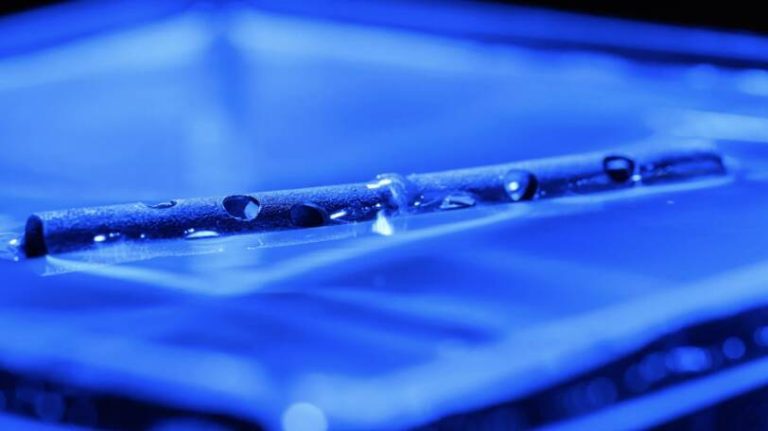
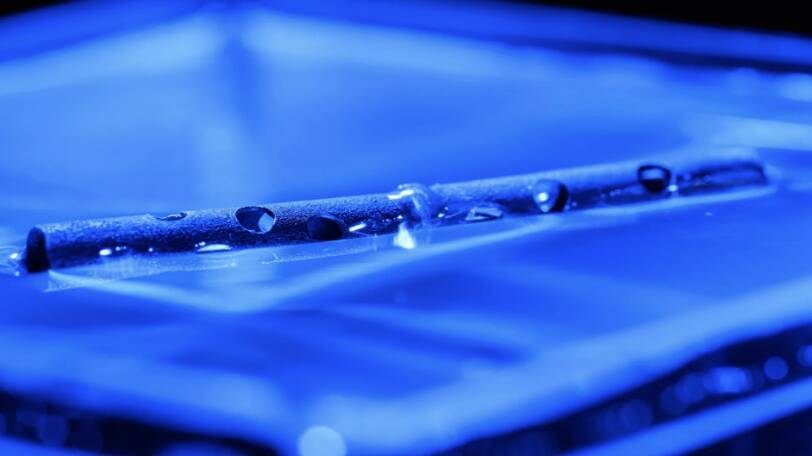
The concept of unsinkable ships has long been a topic of fascination and debate in the maritime industry. While there have been numerous attempts to create vessels that can withstand extreme conditions, none have been entirely successful. However, a recent breakthrough in materials science may finally make it possible to build ships that can stay afloat even in the most adverse circumstances. Scientists have developed a highly buoyant metal tube structure by processing aluminium, which can float even when submerged for long periods or damaged with holes.
The key to this innovative technology lies in the addition of nanometer-scale grooves to aluminium tubes, making them superhydrophobic. This means that the tubes are extremely resistant to water, allowing them to stably maintain air bubbles on the inner surface. As a result, the metal tubes can remain buoyant, even when damaged or submerged in water for extended periods. This property has significant implications for the development of unsinkable ships, as it could enable the creation of vessels that can withstand extreme conditions, such as harsh weather or collisions.
The scientists behind this breakthrough used a process called “anodization” to create the nanometer-scale grooves on the surface of the aluminium tubes. Anodization is a technique that involves passing an electric current through the metal, causing it to oxidize and form a layer of oxide on the surface. By controlling the conditions of the anodization process, the researchers were able to create tiny grooves on the surface of the tubes, which gave them their superhydrophobic properties.
The resulting metal tubes are not only highly buoyant but also incredibly durable. When tested, the tubes were able to withstand significant damage, including holes and dents, without losing their buoyancy. This is because the air bubbles trapped on the inner surface of the tubes provide a cushioning effect, allowing the metal to absorb impacts without compromising its structural integrity.
The potential applications of this technology are vast and varied. In addition to enabling the creation of unsinkable ships, the metal tubes could be used in a range of other industries, such as offshore oil and gas, where equipment is often exposed to harsh marine environments. The tubes could also be used in the development of new types of marine vessels, such as floating cities or artificial islands.
One of the most significant advantages of this technology is its potential to improve safety at sea. Unsinkable ships could reduce the risk of accidents and fatalities, particularly in extreme weather conditions. They could also provide a safe haven for people in emergency situations, such as natural disasters or conflicts.
The development of unsinkable ships could also have significant economic benefits. Ships that can withstand extreme conditions could reduce the risk of cargo loss and damage, which could save the shipping industry millions of dollars each year. Additionally, the technology could enable the creation of new types of ships, such as vessels that can operate in extreme environments, such as the Arctic or Antarctic.
While the development of unsinkable ships is still in its infancy, the potential of this technology is undeniable. The creation of highly buoyant metal tubes that can withstand extreme conditions is a significant breakthrough, and one that could have far-reaching implications for the maritime industry.
As researchers continue to develop and refine this technology, we can expect to see significant advancements in the creation of unsinkable ships. With the potential to improve safety, reduce costs, and enable new types of vessels, this technology is one to watch in the coming years.
In conclusion, the development of metal tubes that can enable unsinkable ships is a groundbreaking achievement that could have significant implications for the maritime industry. With its potential to improve safety, reduce costs, and enable new types of vessels, this technology is one that could change the face of shipping forever.
News source: https://www.sciencedaily.com/releases/2026/01/260130041105.htm
About the Author