How has Union Budget’s presentation changed over the years, from a briefcase to a tablet?
The Union Budget, one of the most significant economic events in India, has undergone significant changes in its presentation over the years. The traditional briefcase, once a staple of the Finance Minister’s Budget presentation, has given way to more modern and innovative methods. In this blog post, we will explore the evolution of the Union Budget’s presentation, from the traditional briefcase to the use of a tablet, and examine the key highlights of the last 10 Budgets presented in the Modi regime.
The Union Budget, presented annually by the Finance Minister, outlines the government’s financial plans and policies for the upcoming fiscal year. The presentation of the Budget is a highly anticipated event, with the entire nation waiting with bated breath to hear the government’s plans for the economy. Over the years, the presentation of the Budget has undergone significant changes, reflecting the changing times and the government’s efforts to modernize and make the process more efficient.
One of the most significant changes in the presentation of the Union Budget was the change in the date of presentation. Until 2017, the Budget was presented on the last day of February. However, in 2017, the government decided to advance the presentation of the Budget to February 1. This change was made to ensure that the Budget is presented before the start of the new financial year, allowing for a smoother transition and giving the government more time to implement its plans.
Another significant change in the presentation of the Union Budget was the change in the presentation time. Until 1999, the Budget was presented at 5:00 pm. However, in 1999, the government decided to change the presentation time to 11:00 am. This change was made to ensure that the Budget is presented at a more convenient time, allowing for greater coverage and analysis by the media and the public.
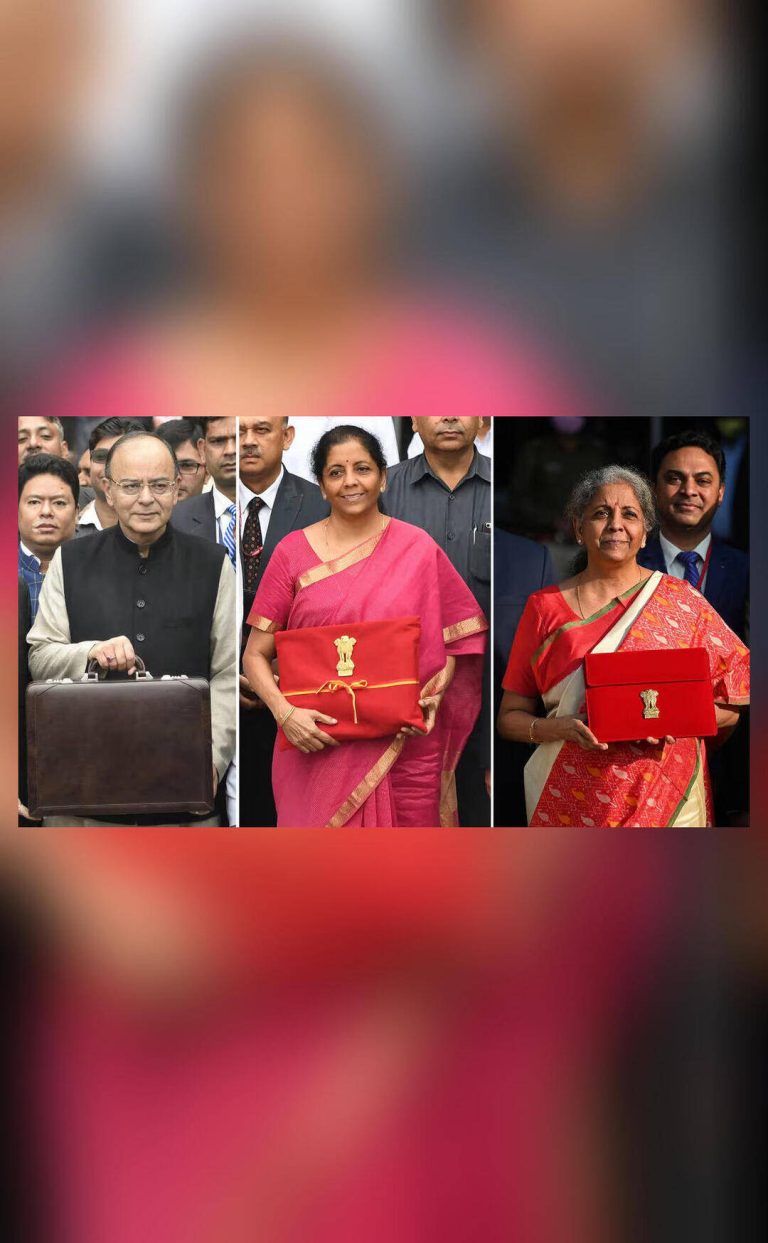
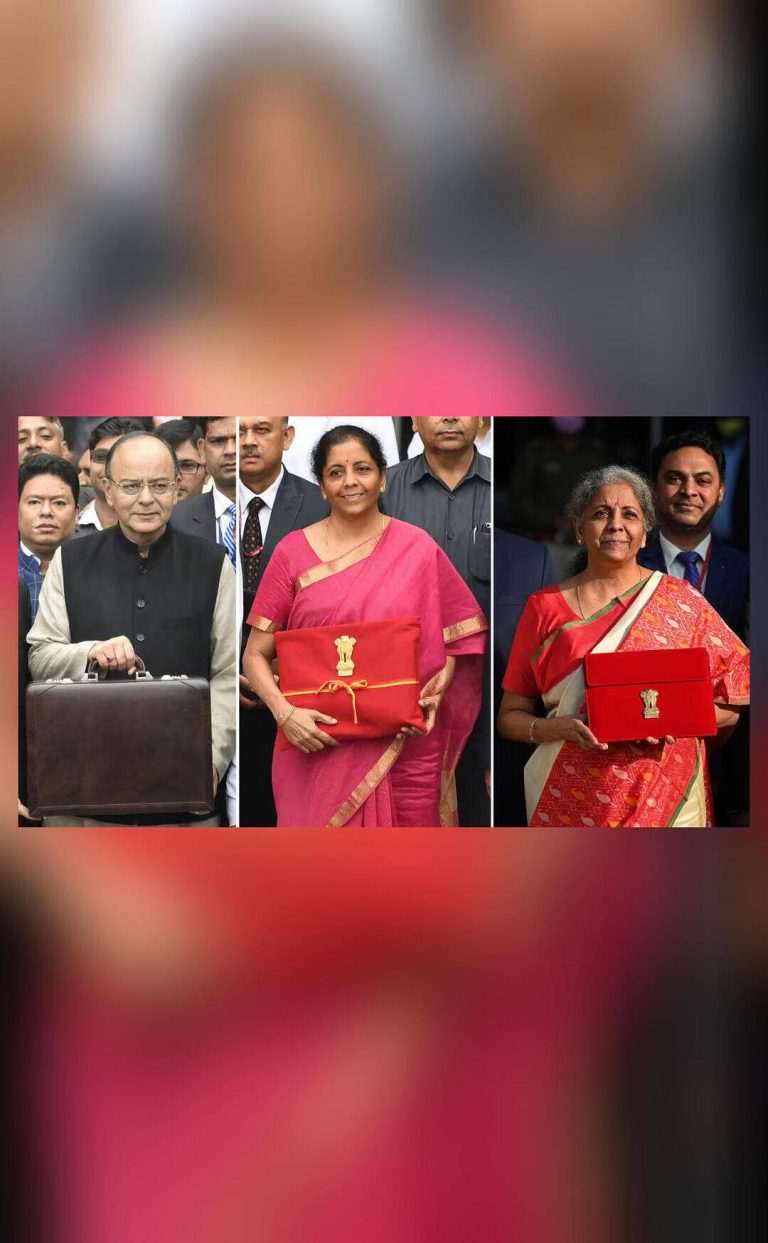
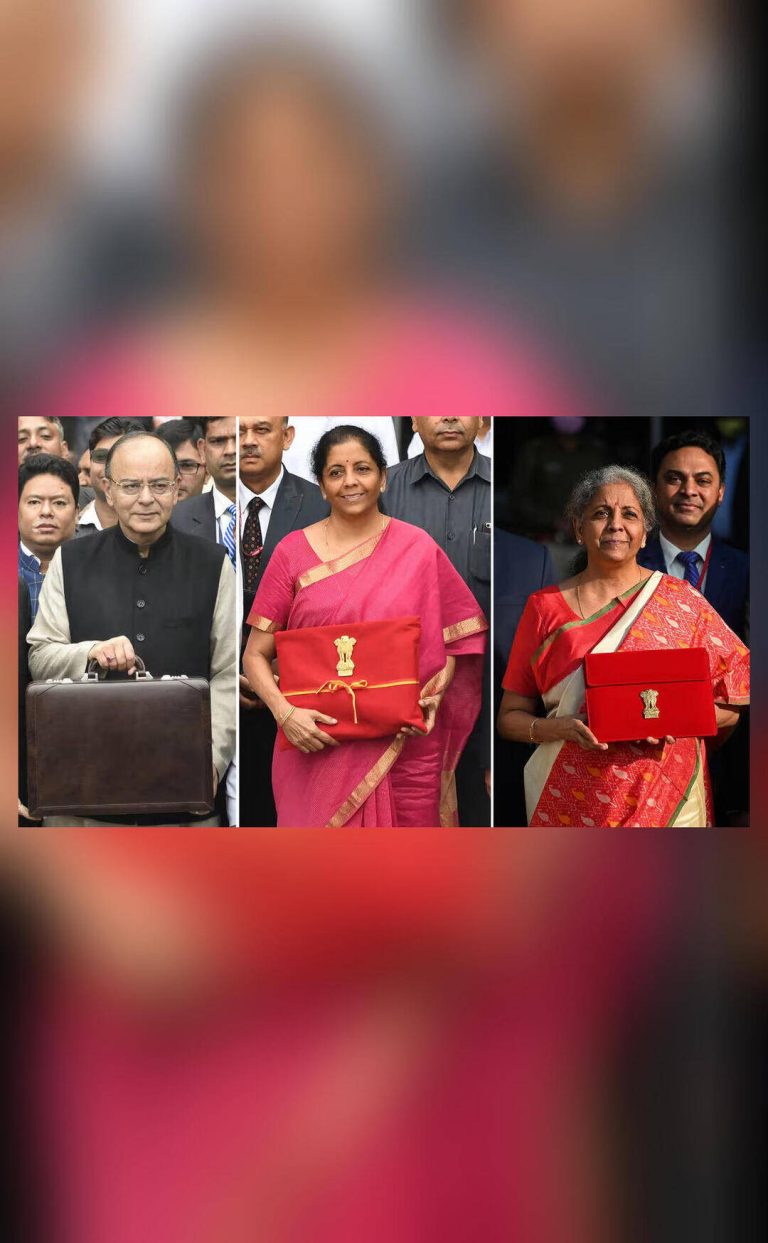
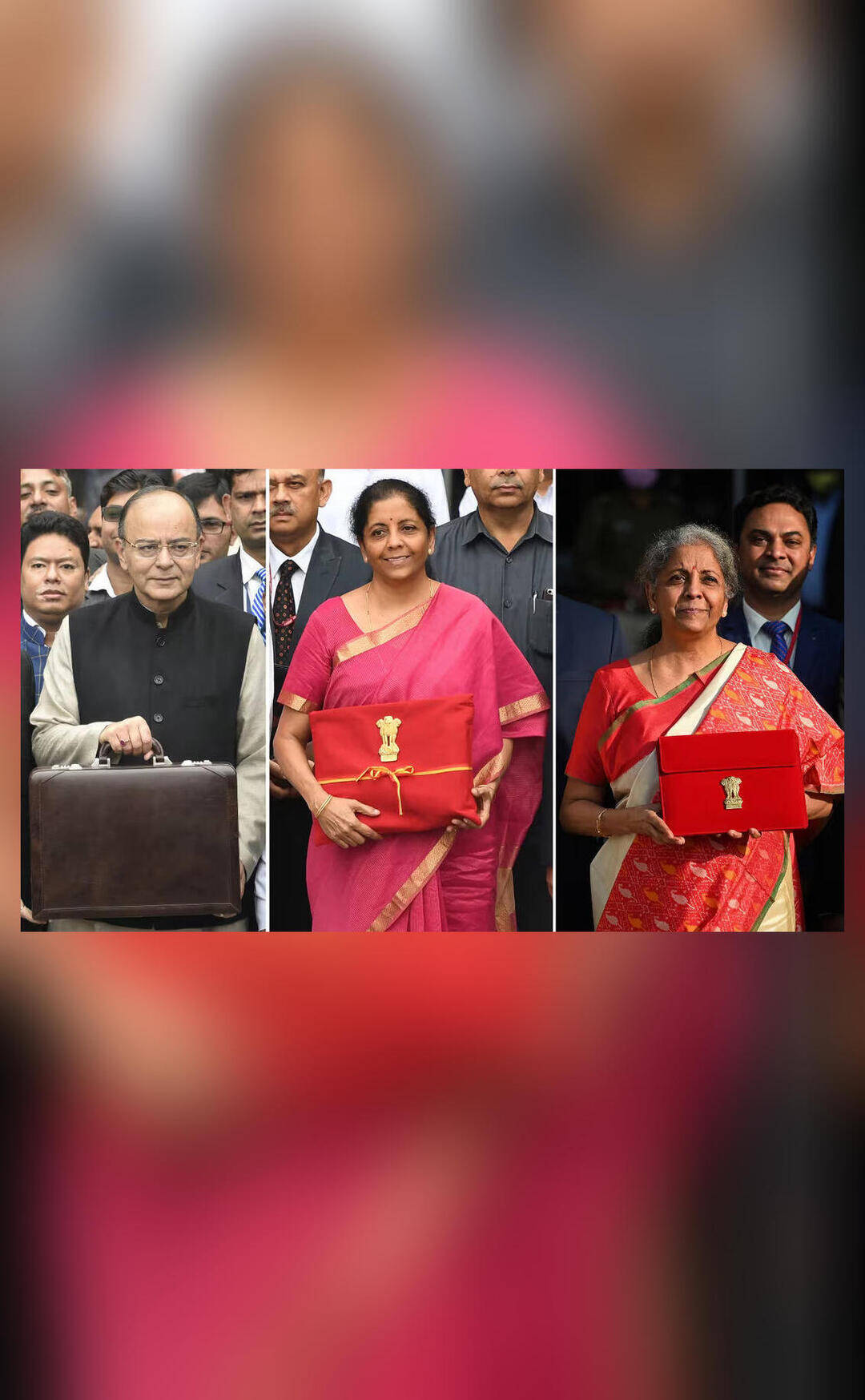
In recent years, the presentation of the Union Budget has become more modern and innovative. In 2019, Finance Minister Nirmala Sitharaman switched from the traditional briefcase to a cloth-wrapped ‘bahi khata’ to carry the Budget documents. This change was seen as a nod to India’s rich cultural heritage and a move towards a more traditional and eco-friendly approach.
However, the most significant change in the presentation of the Union Budget came in 2021, when Finance Minister Nirmala Sitharaman presented India’s first paperless Budget on a Made-in-India tablet. This move marked a significant shift towards a more digital and modern approach, reducing the need for physical documents and minimizing the environmental impact of the Budget presentation.
The use of a tablet to present the Budget also marked a significant improvement in terms of efficiency and convenience. The tablet allowed the Finance Minister to easily access and navigate through the Budget documents, making the presentation more smooth and seamless. The use of a tablet also enabled the government to reduce the time and effort required to prepare and print the Budget documents, making the process more efficient and cost-effective.
In addition to the changes in the presentation of the Union Budget, the last 10 Budgets presented in the Modi regime have also seen significant changes in terms of policy and content. Some of the key highlights of these Budgets include:
- The introduction of the Goods and Services Tax (GST) in 2017, which marked a significant shift towards a more unified and streamlined tax system.
- The launch of the Make in India initiative in 2014, which aimed to promote domestic manufacturing and boost economic growth.
- The introduction of the Insolvency and Bankruptcy Code (IBC) in 2016, which aimed to improve the resolution of stressed assets and promote economic growth.
- The launch of the Ayushman Bharat scheme in 2018, which aimed to provide health insurance coverage to millions of poor and vulnerable families.
- The introduction of the National Education Policy (NEP) in 2020, which aimed to promote education and skill development in the country.
In conclusion, the presentation of the Union Budget has undergone significant changes over the years, from the traditional briefcase to the use of a tablet. These changes reflect the government’s efforts to modernize and make the process more efficient, while also promoting a more digital and eco-friendly approach. The last 10 Budgets presented in the Modi regime have also seen significant changes in terms of policy and content, with a focus on promoting economic growth, improving the business environment, and enhancing the welfare of citizens.
About the Author