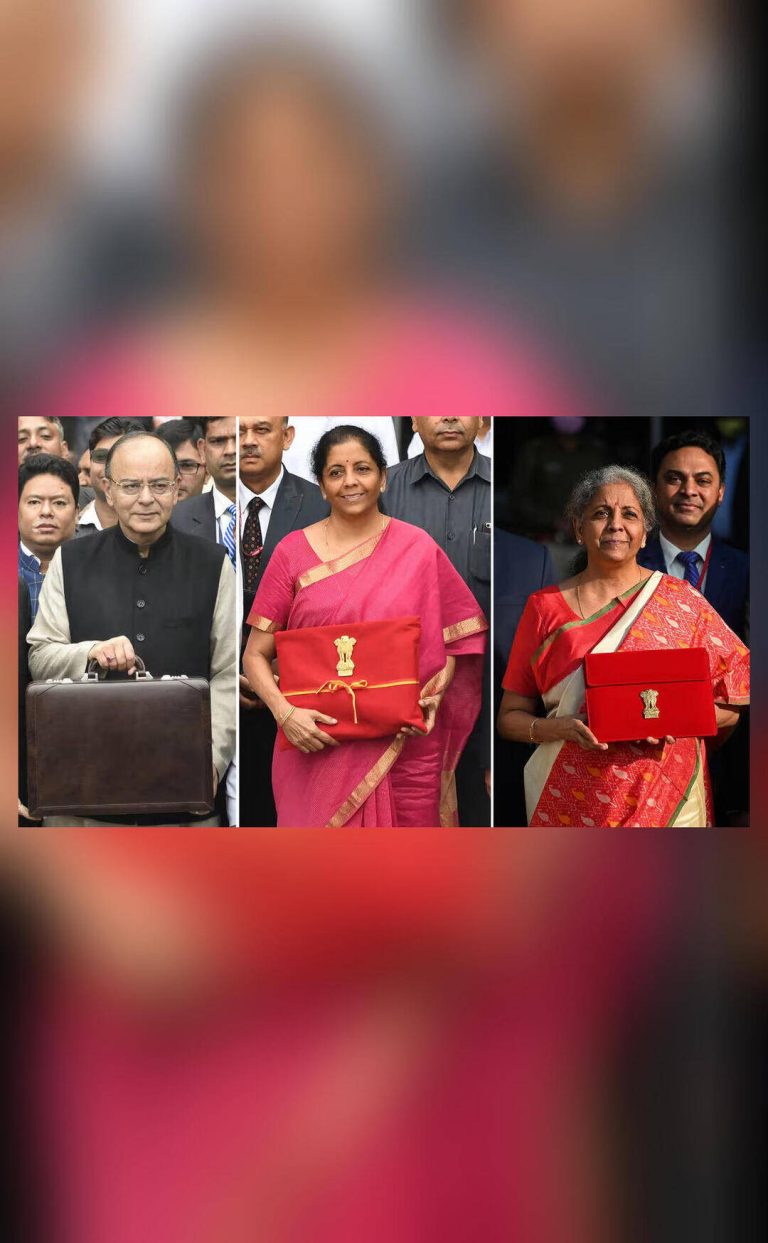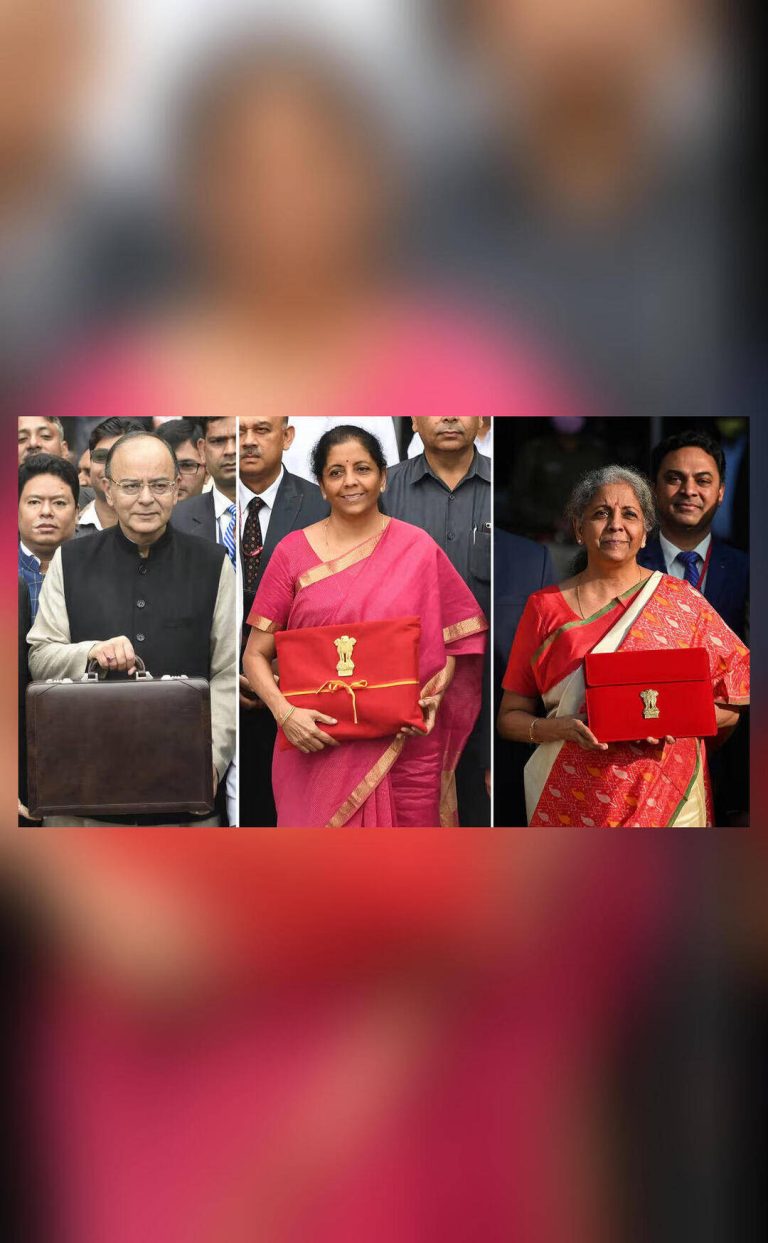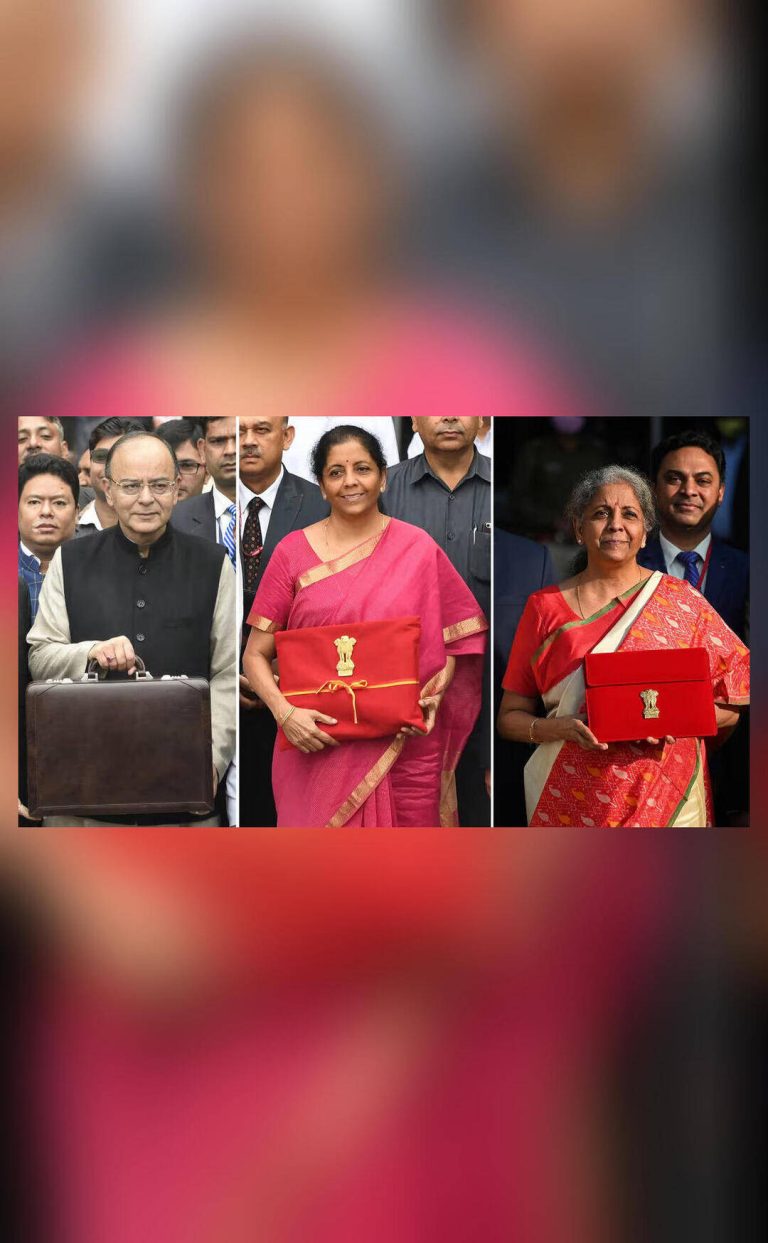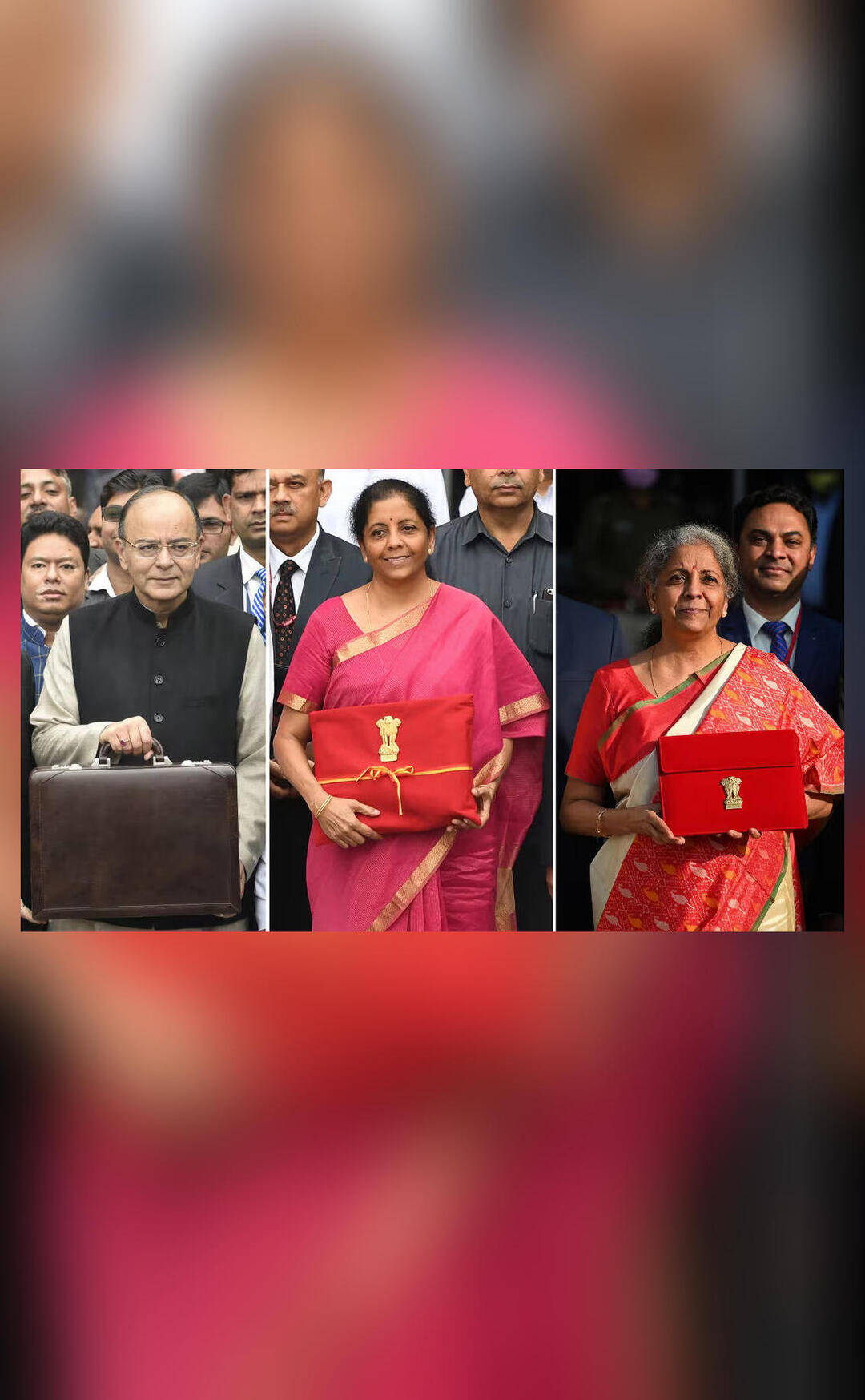
How has Union Budget’s presentation changed over the years, from a briefcase to a tablet?
The Union Budget, one of the most significant economic events in India, has undergone significant changes in its presentation over the years. From the traditional briefcase to a cloth-wrapped ‘bahi khata’ and finally to a Made-in-India tablet, the Budget presentation has evolved to reflect the country’s growing emphasis on technology and sustainability. In this blog post, we will explore the transformations that have taken place in the Union Budget’s presentation, highlighting the key milestones and innovations that have shaped this critical event.
A Brief History of the Union Budget
The Union Budget, also known as the General Budget, is presented by the Finance Minister of India every year, typically at the end of February. The Budget outlines the government’s financial plans and policies for the upcoming fiscal year, including revenue projections, expenditure allocations, and tax proposals. The presentation of the Budget is a highly anticipated event, closely watched by economists, policymakers, and the general public.
Changes in the Budget Presentation Date and Time
One of the earliest changes to the Union Budget’s presentation was the shift in the date and time of the event. Prior to 2017, the Budget was presented at the end of February, usually around 5:00 pm. However, in 2017, the government decided to advance the presentation date to February 1, with the presentation time changing to 11:00 am. This change was intended to allow the Budget to be implemented earlier, giving the government more time to execute its plans and policies.
The Transition from Briefcase to Bahi Khata
In 2019, Finance Minister Nirmala Sitharaman introduced a significant change to the traditional Budget presentation. Instead of carrying the Budget documents in a briefcase, Sitharaman opted for a cloth-wrapped ‘bahi khata’, a traditional Indian ledger book. This move was seen as a nod to India’s rich cultural heritage and a departure from the colonial-era tradition of using a briefcase. The ‘bahi khata’ was a symbolic representation of the government’s commitment to embracing its cultural roots and promoting indigenous practices.
India’s First Paperless Budget
In 2021, the Union Budget presentation underwent another significant transformation. For the first time in history, the Budget was presented in a paperless format, with Finance Minister Nirmala Sitharaman using a Made-in-India tablet to deliver the Budget speech. This innovation marked a significant shift towards a more sustainable and technology-driven approach to governance. The paperless Budget was a major milestone in the government’s efforts to reduce its carbon footprint and promote digital literacy.
The Significance of the Changes
The changes to the Union Budget’s presentation are not merely cosmetic; they reflect the government’s evolving priorities and values. The shift from a briefcase to a ‘bahi khata’ and finally to a tablet represents a desire to move away from colonial-era traditions and embracing indigenous practices and technology. The paperless Budget, in particular, highlights the government’s commitment to sustainability and reducing its environmental impact.
Conclusion
The Union Budget’s presentation has undergone significant changes over the years, reflecting the government’s growing emphasis on technology, sustainability, and cultural heritage. From the traditional briefcase to a cloth-wrapped ‘bahi khata’ and finally to a Made-in-India tablet, the Budget presentation has evolved to reflect the country’s values and priorities. As we look to the future, it will be interesting to see how the Budget presentation continues to adapt and innovate, incorporating new technologies and best practices to promote transparency, accountability, and sustainability.
About the Author