Bangladesh Garment Workers Struggle After Uprising Fallout
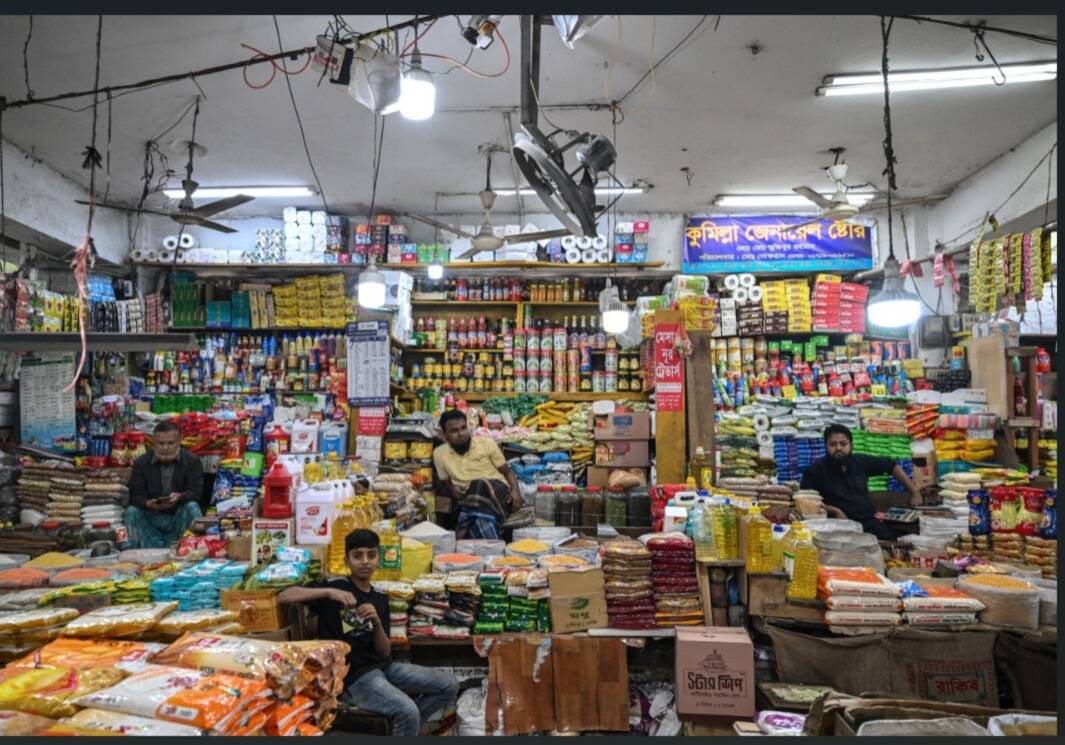
The garment sector, which has long been the backbone of Bangladesh’s economy, is facing unprecedented distress in the aftermath of the 2024 uprising that toppled the government of Sheikh Hasina. The industry, which has been a major driver of the country’s economic growth, is now struggling to stay afloat, leaving thousands of workers like Sabina Khatun without a job.
Sabina, a 25-year-old garment worker from Dhaka, had been working in a factory for over five years before it shut down in the wake of the uprising. “I was earning a decent income, enough to support my family, but now I’m struggling to make ends meet,” she said, her voice filled with desperation. “I’ve been looking for a new job, but it’s tough. Many factories have closed, and those that are still open are not hiring.”
Sabina’s story is not an isolated one. Over 240 factories have shut down since the uprising, leaving thousands of workers without a job. The industry, which was once a thriving sector, is now on the brink of collapse. The Bangladesh Garment Manufacturers and Exporters Association (BGMEA) has estimated that the sector has lost over $1 billion in exports since the uprising, with many factories struggling to meet their production targets.
The economic fallout of the uprising has been severe, with the country’s economy showing only mild signs of recovery. Unemployment is rising, exports are weak, and inflation persists, making it difficult for people like Sabina to make a living. The government, which is still reeling from the aftermath of the uprising, is struggling to find a solution to the economic crisis.
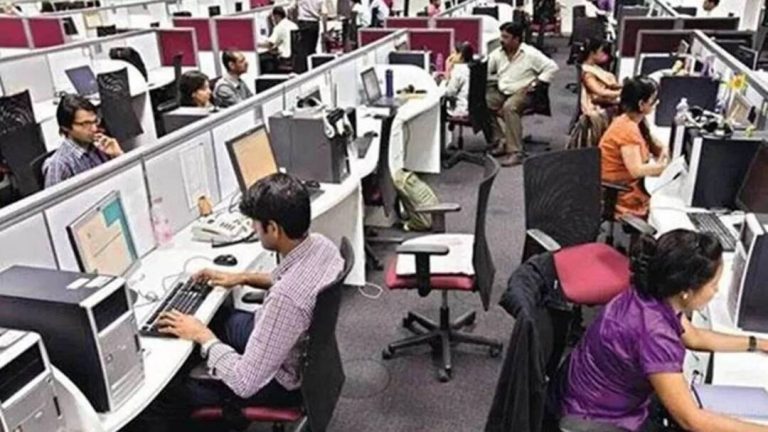
The garment sector, which accounts for over 80% of the country’s exports, is critical to Bangladesh’s economy. The industry employs millions of workers, mostly women, and is a major source of foreign exchange earnings. However, the sector has been facing challenges in recent years, including low wages, poor working conditions, and a lack of investment in new technology.
The uprising, which was sparked by protests against the government’s handling of the economy, has made things worse. Many factories were forced to shut down due to a lack of raw materials, and those that remained open were unable to produce goods due to a shortage of workers. The sector’s exports, which were already declining, have fallen sharply since the uprising, with many buyers canceling their orders or delaying payments.
The situation is so dire that many workers are now pinning their hopes on stability and revival after the February 12 elections. The elections, which are seen as a crucial step towards restoring democracy and stability in the country, are expected to bring in a new government that will be able to address the economic crisis.
“We need a stable government that can take decisive action to address the economic crisis,” said Abdur Rashid, a garment worker who lost his job due to the factory shutdowns. “We need a government that can attract investment, create jobs, and ensure that workers like us are protected.”
The international community is also watching the situation in Bangladesh closely, with many countries and organizations calling for calm and stability in the country. The European Union, which is one of Bangladesh’s largest trading partners, has expressed concern over the situation in the garment sector and has called on the government to take action to protect workers’ rights.
As the country prepares for the elections, there is a sense of optimism among workers like Sabina and Abdur. They hope that the new government will be able to restore stability and revive the garment sector, which has been the backbone of the country’s economy for so long.
However, the road to recovery will not be easy. The new government will have to take tough decisions to address the economic crisis, including increasing investment in the garment sector, improving working conditions, and ensuring that workers are protected. It will also have to attract new investment and promote exports, which will require a stable and business-friendly environment.
As the situation in Bangladesh continues to evolve, one thing is clear: the country’s garment workers are struggling to survive in a sector that is facing unprecedented distress. The upcoming elections offer a glimmer of hope, but it will take time, effort, and commitment from all stakeholders to restore the sector to its former glory.
About the Author