Bangladesh Garment Workers Struggle After Uprising Fallout
The garment sector, which has long been the backbone of Bangladesh’s economy, is facing deep distress after the 2024 uprising that toppled Sheikh Hasina’s government. The industry, which accounts for a significant portion of the country’s exports and employs millions of workers, has been severely impacted by the ongoing economic turmoil. The fallout from the uprising has resulted in the closure of over 240 factories, leaving thousands of workers, including Sabina Khatun, without a job.
Sabina, a 30-year-old garment worker, had been working in a factory in Dhaka for over five years. She was the sole breadwinner of her family and was earning a decent income to support her husband and two children. However, after the uprising, her factory was forced to shut down due to a lack of orders and financial constraints. Sabina is now struggling to make ends meet and is worried about the future of her family.
“I had never thought that I would lose my job so suddenly,” Sabina said in an interview. “I was earning a good income, and my family was dependent on me. But now, I am struggling to find a new job, and my family is suffering.”
The closure of factories has not only affected workers like Sabina but also had a ripple effect on the entire economy. The garment sector is the largest employer in Bangladesh, and the shutdown of factories has resulted in a significant increase in unemployment. According to official statistics, the unemployment rate has risen to over 10%, with many more workers facing the threat of job losses.
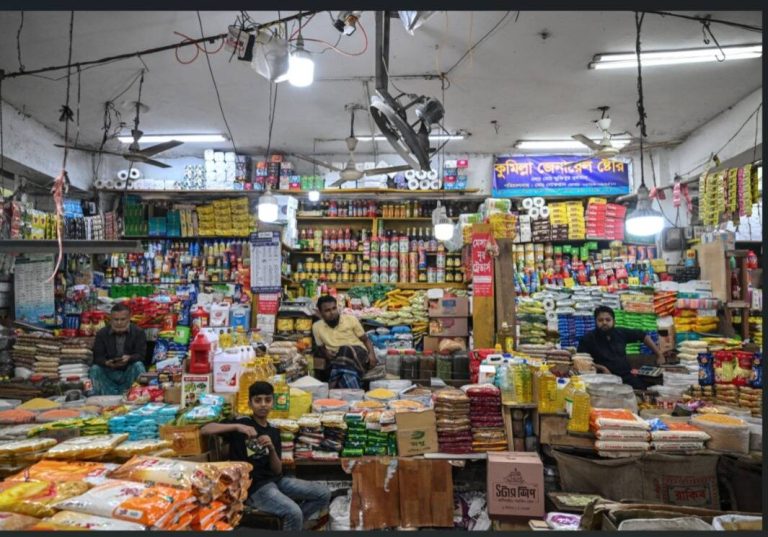
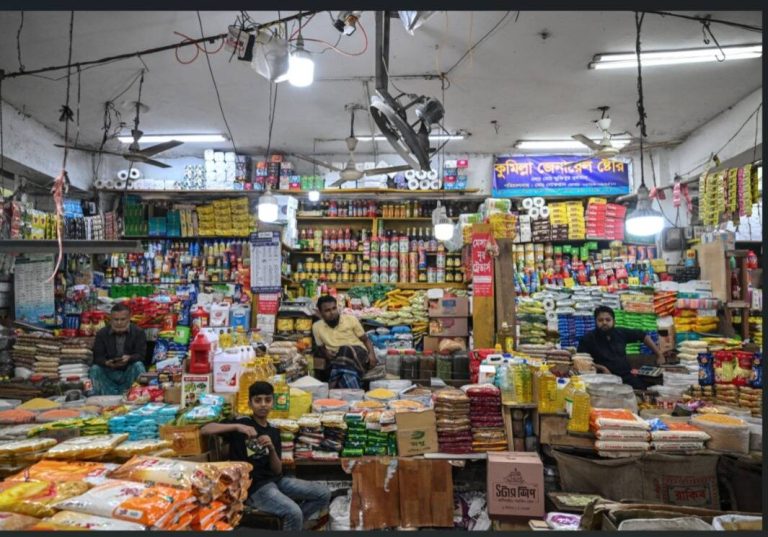
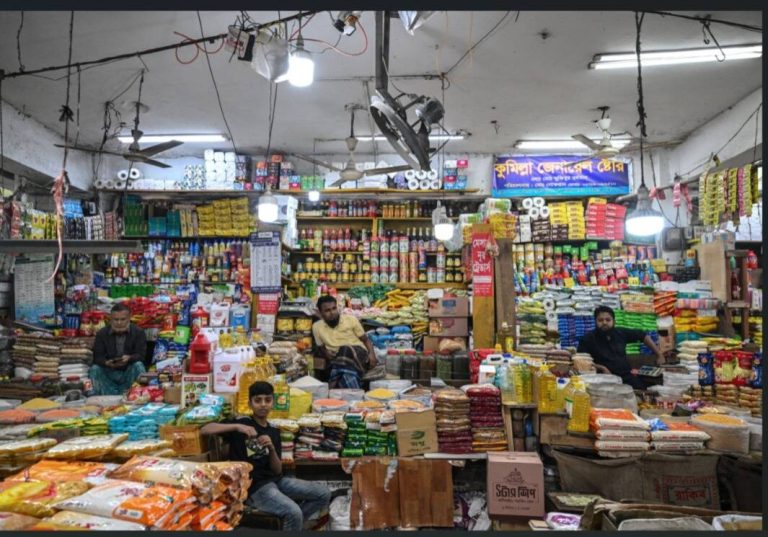
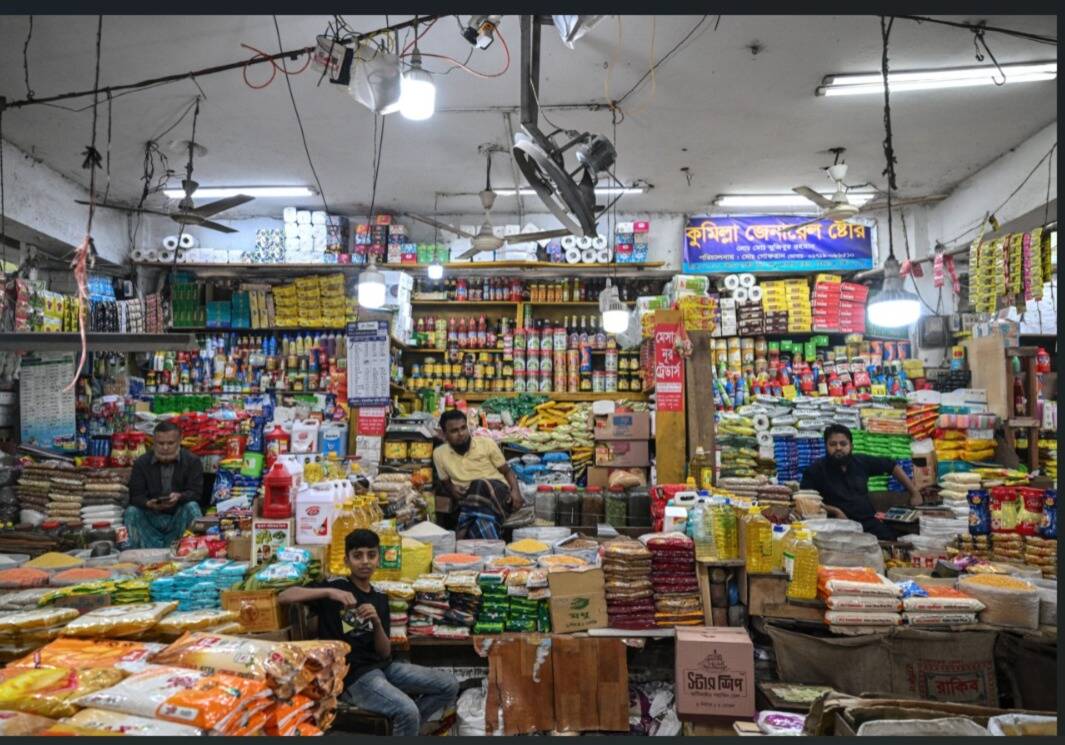
The economic troubles in Bangladesh are not limited to the garment sector. The country’s exports have been weak, and inflation persists, making it difficult for people to afford basic necessities. The price of essentials like rice, oil, and vegetables has increased significantly, affecting the purchasing power of the common man.
The government has been trying to revitalize the economy, but its efforts have been hindered by the ongoing political instability. The 2024 uprising has created a power vacuum, and the new government is still struggling to assert its authority. The lack of stability has made it difficult for businesses to operate, and investors are hesitant to put their money into the country.
Despite the challenges, there are hopes that the situation will improve after the February 12 elections. The elections are expected to bring stability to the country and provide a clear direction for the economy. Many workers, including Sabina, are pinning their hopes on the elections, hoping that a new government will be able to revive the garment sector and create new job opportunities.
“The elections are our only hope now,” Sabina said. “We are hoping that a new government will come and take steps to revive the garment sector. We want stability and security, and we want to be able to work and earn a decent income.”
The international community is also watching the situation in Bangladesh closely. The country’s economic troubles have implications for the global economy, and many countries are keen to see stability return to Bangladesh. The European Union, which is one of the largest markets for Bangladeshi garments, has expressed concern over the situation and has called for a swift resolution to the crisis.
In conclusion, the garment workers in Bangladesh are struggling after the uprising fallout. The closure of factories has resulted in a significant increase in unemployment, and the economy is facing deep distress. While there are hopes that the situation will improve after the February 12 elections, the road to recovery will be long and challenging. The new government will need to take bold steps to revive the garment sector, create new job opportunities, and stabilize the economy.
As the country prepares for the elections, the workers are holding their breath, hoping that a new government will be able to bring stability and prosperity back to Bangladesh. The world is watching, and the international community is keen to see Bangladesh recover from its economic troubles.
About the Author