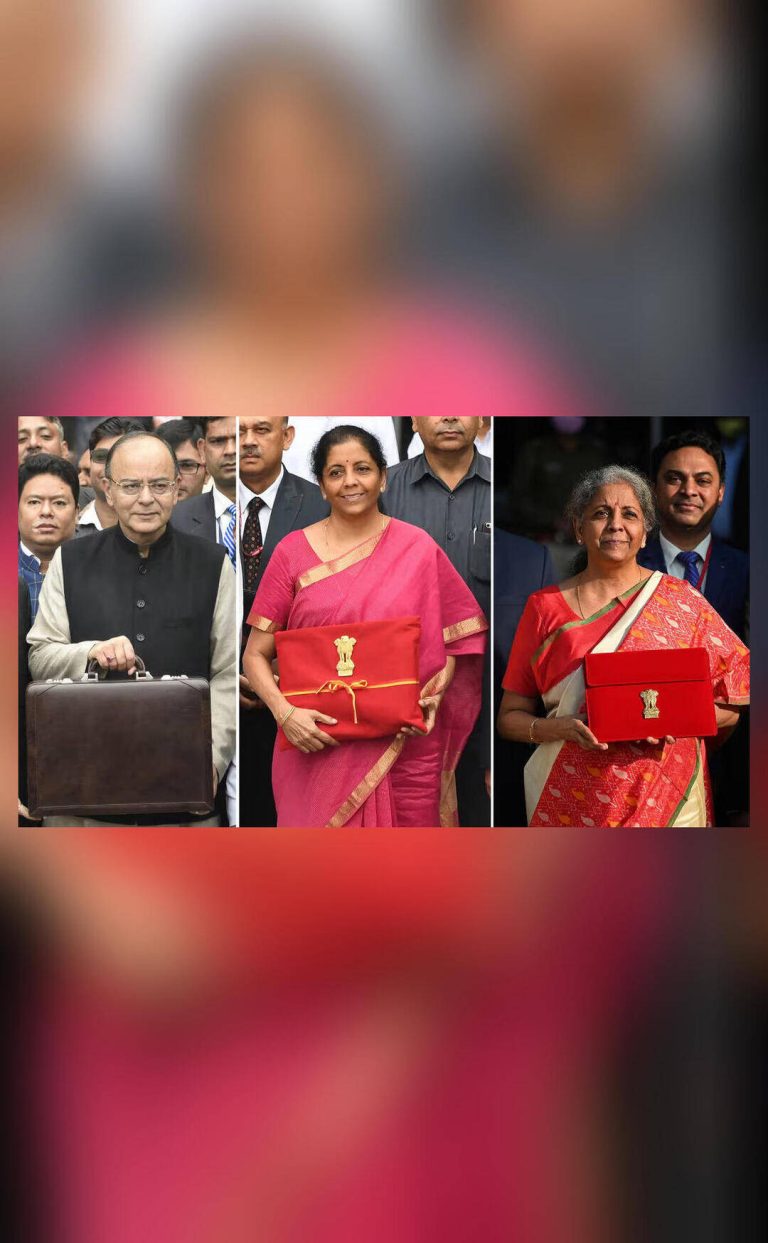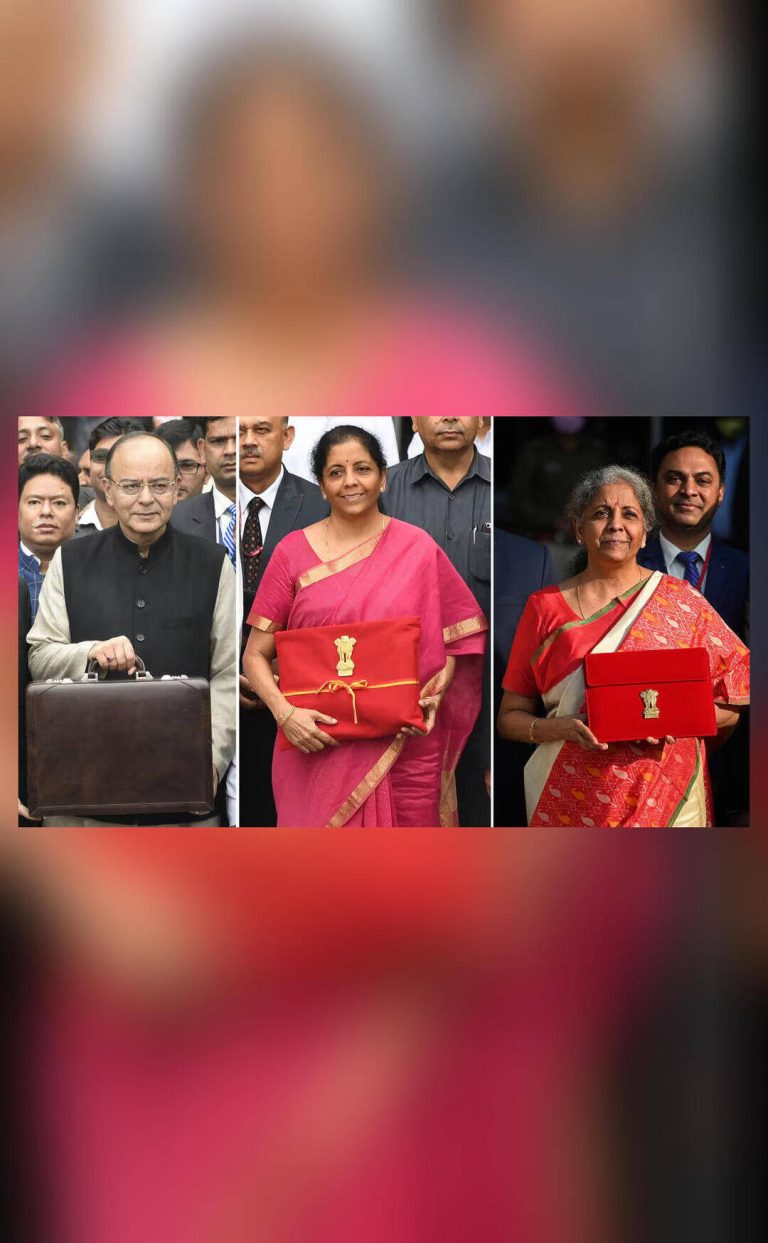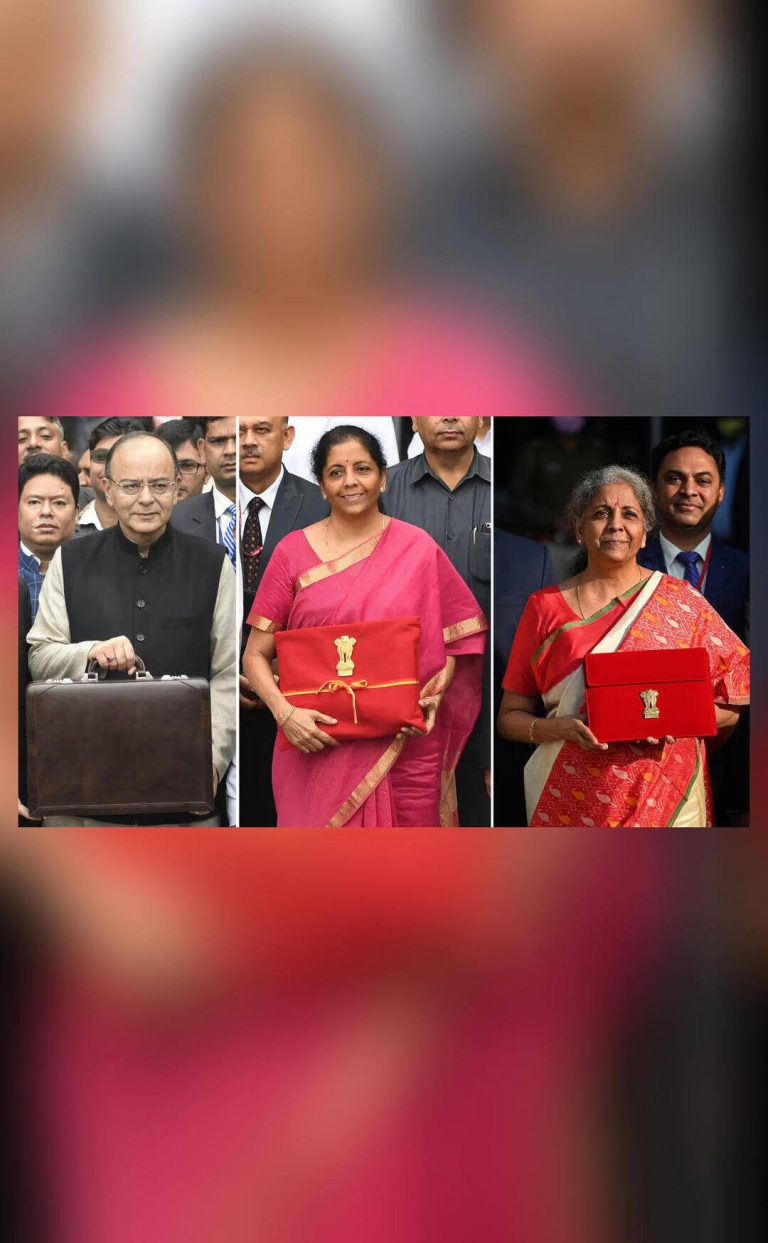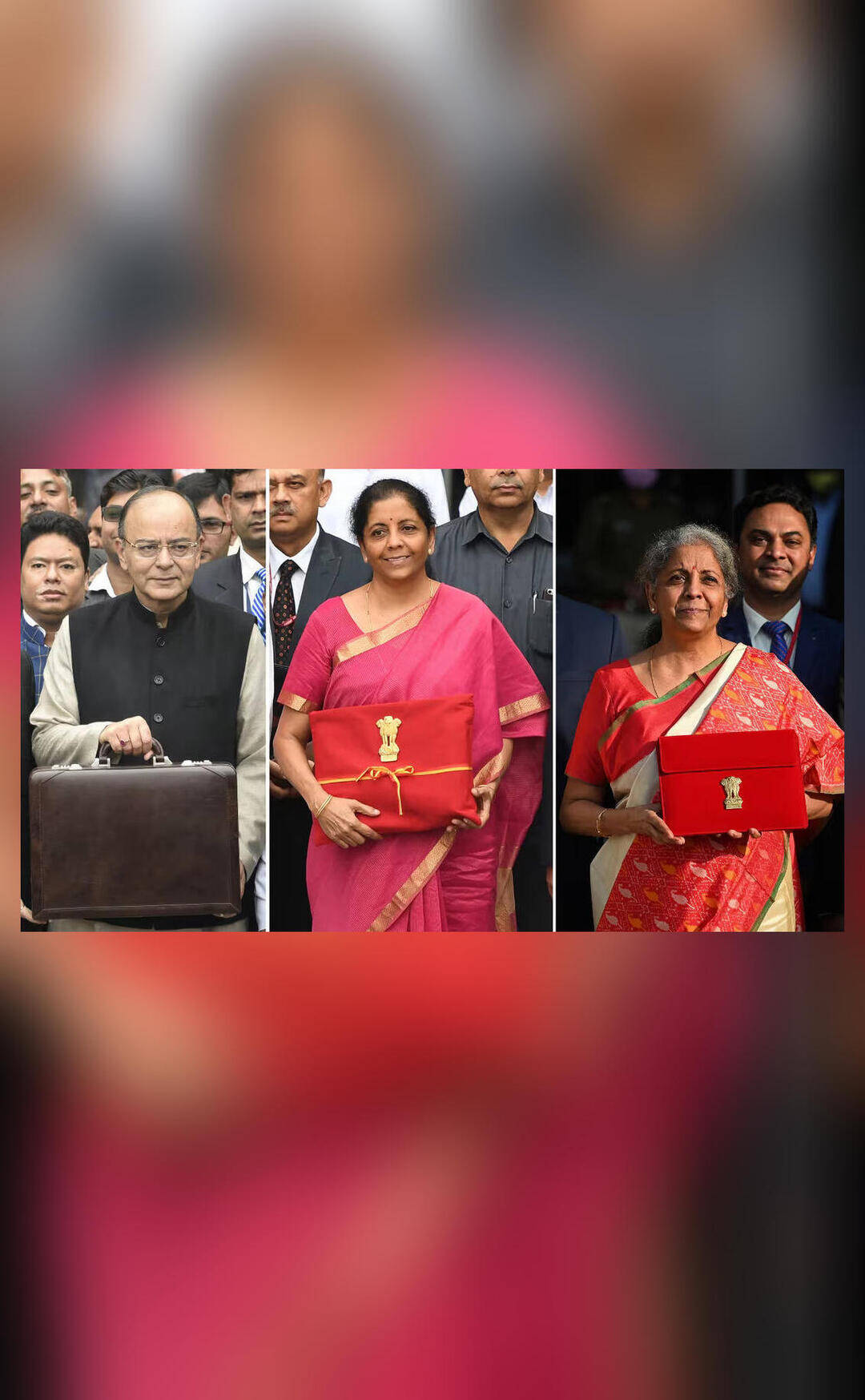
How has Union Budget’s presentation changed over the years, from a briefcase to a tablet?
The Union Budget, a crucial financial document that outlines the government’s spending plans and revenue projections for the upcoming fiscal year, has undergone significant changes in its presentation over the years. The traditional briefcase, once a symbol of the Budget, has given way to more modern and eco-friendly alternatives. In this blog post, we will delve into the evolution of the Union Budget’s presentation, from the briefcase to the tablet, and explore the key changes that have taken place in recent years.
Historically, the Union Budget was presented on the last day of February, at 5:00 pm. However, in 1999, the presentation time was changed to 11:00 am, marking a significant shift in the way the Budget was presented. This change was aimed at providing more time for the government to respond to the Budget and for the media to analyze the proposals. The date of presentation was also changed from February-end to February 1 in 2017, allowing for more time for the implementation of the Budget proposals.
Another significant change in the presentation of the Union Budget was the switch from a briefcase to a cloth-wrapped ‘bahi khata’ (a traditional Indian ledger) in 2019. Finance Minister Nirmala Sitharaman made this change, moving away from the traditional briefcase that had been used for decades. The ‘bahi khata’ was seen as a symbol of the government’s commitment to traditional Indian values and a nod to the country’s rich cultural heritage.
However, the most significant change in the presentation of the Union Budget came in 2021, when Finance Minister Nirmala Sitharaman presented India’s first paperless Budget on a Made-in-India tablet. This marked a significant departure from the traditional printed copies of the Budget, which were often bulky and cumbersome. The use of a tablet not only reduced the environmental impact of the Budget but also made it more accessible and convenient for lawmakers and the public to access.
The switch to a digital Budget was a significant step towards a more modern and efficient way of presenting the government’s financial plans. The tablet used by Sitharaman was a Made-in-India device, highlighting the government’s commitment to promoting domestic manufacturing and innovation. The digital Budget was also seen as a significant step towards reducing the environmental impact of the Budget, which had previously required the printing of thousands of copies.
In addition to the changes in the presentation of the Union Budget, the content of the Budget has also undergone significant changes in recent years. The government has focused on promoting economic growth, reducing poverty, and improving the overall standard of living for citizens. The Budget has also placed a strong emphasis on promoting digitalization, innovation, and entrepreneurship, recognizing the importance of these factors in driving economic growth and development.
The last 10 Budgets presented in the Modi regime have been significant in terms of their focus on promoting economic growth, reducing poverty, and improving the overall standard of living for citizens. Some of the key highlights of these Budgets include the introduction of the Goods and Services Tax (GST), the implementation of the Insolvency and Bankruptcy Code (IBC), and the promotion of digitalization and innovation.
In conclusion, the presentation of the Union Budget has undergone significant changes over the years, from the traditional briefcase to the modern tablet. These changes reflect the government’s commitment to modernization, digitalization, and environmental sustainability. As the government continues to evolve and adapt to changing circumstances, it is likely that the presentation of the Union Budget will continue to change, incorporating new technologies and innovations.
The evolution of the Union Budget’s presentation is a testament to the government’s willingness to adapt and innovate, and its commitment to promoting economic growth, reducing poverty, and improving the overall standard of living for citizens. As we look to the future, it will be interesting to see how the presentation of the Union Budget continues to evolve, and how the government uses technology and innovation to make the Budget more accessible, convenient, and effective.
About the Author