How has Union Budget’s presentation changed over the years, from a briefcase to a tablet?
The Union Budget of India, presented annually by the Finance Minister, is a significant event that outlines the country’s financial plans and policies for the upcoming fiscal year. Over the years, the presentation of the Union Budget has undergone significant changes, reflecting the evolving times and technological advancements. In this blog post, we will explore the transformations in the presentation of the Union Budget, from the traditional briefcase to the modern tablet.
Historically, the Union Budget was presented at the end of February, typically around 5:00 pm. However, in 1999, the presentation time was changed to 11:00 am. This change was made to ensure that the Budget speech could be completed before the stock markets closed, thereby reducing the uncertainty and volatility in the markets. In 2017, the date of the Budget presentation was further changed to February 1, with the aim of enabling the Ministries and Departments to implement the Budget provisions from the beginning of the financial year.
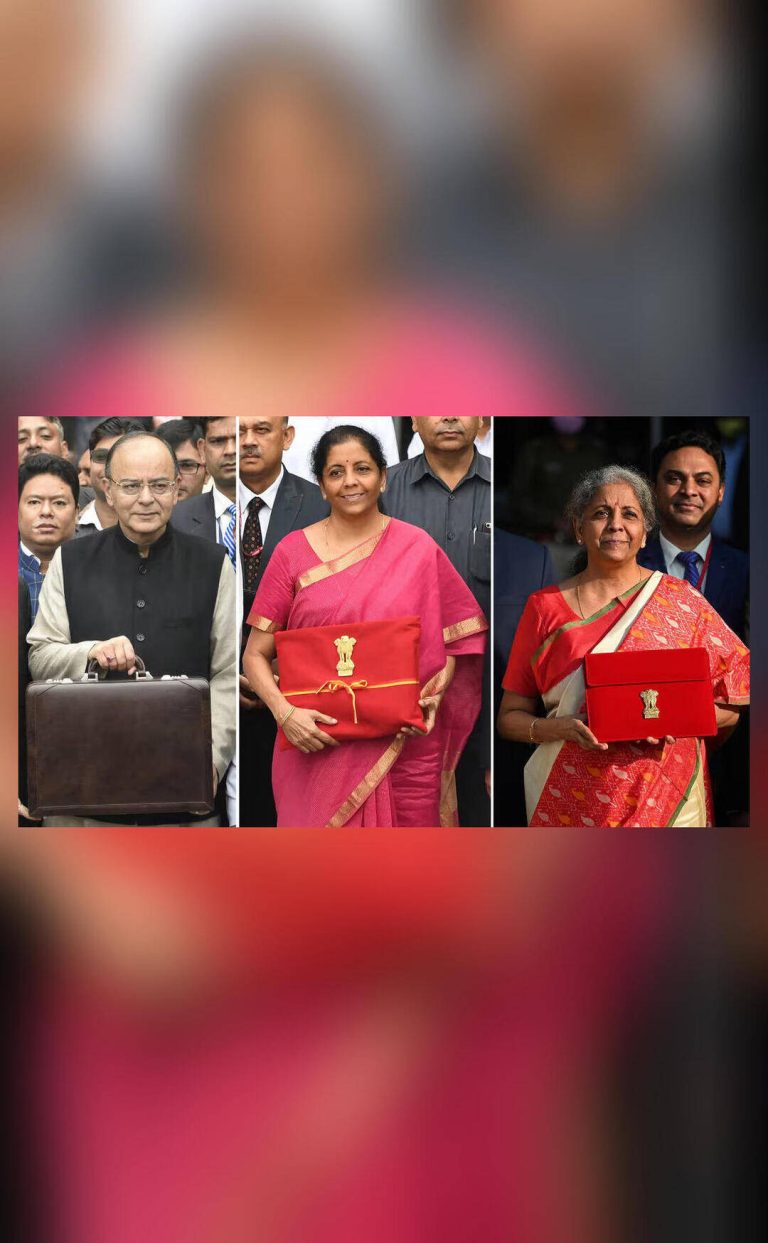
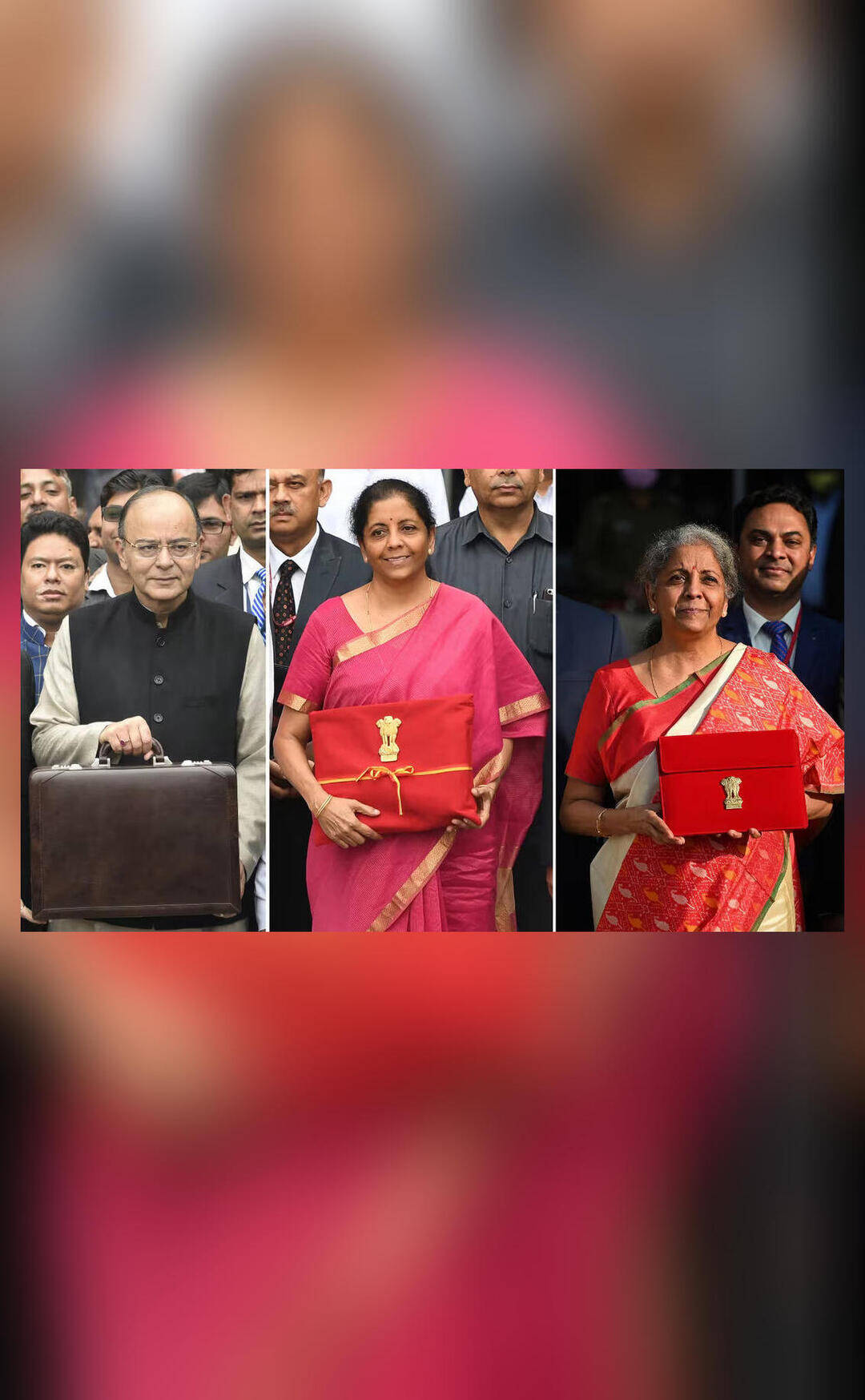
Another significant change in the presentation of the Union Budget was the switch from a briefcase to a cloth-wrapped ‘bahi khata’ (a traditional Indian ledger) to carry the Budget documents. In 2019, Finance Minister Nirmala Sitharaman broke the tradition of carrying a briefcase, which was followed by her predecessors, and instead opted for a ‘bahi khata’ to symbolize the country’s rich cultural heritage. This move was seen as a nod to the country’s traditional accounting practices and a departure from the colonial-era tradition of carrying a briefcase.
The most significant change, however, came in 2021, when Finance Minister Nirmala Sitharaman presented India’s first paperless Budget. Instead of carrying a briefcase or a ‘bahi khata’, Sitharaman used a Made-in-India tablet to present the Budget. This marked a significant shift towards a digital and eco-friendly approach, in line with the government’s ‘Digital India’ initiative. The paperless Budget was a major milestone in the country’s journey towards a more sustainable and technologically advanced future.
The transition from a traditional briefcase to a tablet is not just a symbolic change but also reflects the government’s commitment to embracing technology and reducing its environmental footprint. The use of a tablet to present the Budget also enabled the government to make the Budget documents more accessible and widely available, both in terms of time and geography. With the click of a button, the Budget documents could be made available to the public, media, and other stakeholders, making the process more transparent and efficient.
In addition to these changes, the Union Budget has also become more inclusive and comprehensive over the years. The Budget now covers a wide range of sectors, including healthcare, education, infrastructure, and social welfare, among others. The government has also made efforts to increase transparency and accountability in the Budget-making process, with the introduction of measures such as the Goods and Services Tax (GST) and the Insolvency and Bankruptcy Code (IBC).
In conclusion, the presentation of the Union Budget has undergone significant changes over the years, reflecting the country’s evolving needs, technological advancements, and cultural heritage. From the traditional briefcase to the modern tablet, the Budget presentation has become more efficient, transparent, and eco-friendly. As India continues to grow and develop, it is likely that the Union Budget will continue to evolve, incorporating new technologies and innovative approaches to meet the country’s changing needs.
The last 10 Budgets presented in the Modi regime have been significant, with key highlights including the introduction of GST, the Pradhan Mantri Jan Dhan Yojana, and the Ayushman Bharat scheme, among others. To know more about the key highlights of the last 10 Budgets, click on the link below:
About the Author