Venezuela announces bill for mass release of political prisoners
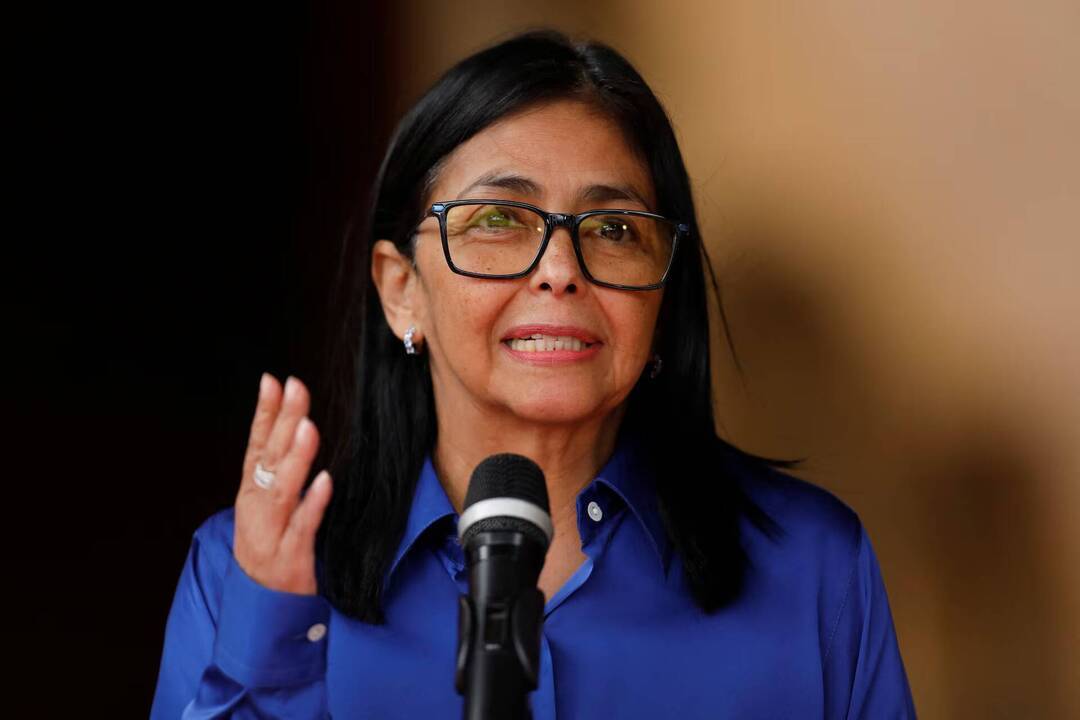
In a surprise move, Venezuela’s acting president Delcy Rodríguez has announced an amnesty bill that could result in the release of thousands of political prisoners, including opposition leaders, journalists, and human rights activists. This announcement has sent shockwaves across the country, with many hailing it as a major step towards reconciliation and healing. The new law, which will cover cases from 1999 until today, is expected to bring relief to countless families who have been affected by the country’s tumultuous political landscape.
According to Rodríguez, the amnesty bill will exclude those accused of killings, serious abuses of human rights, and drug trafficking. This move is seen as an attempt to distinguish between those who have been imprisoned for their political beliefs and those who have committed more serious crimes. The distinction is crucial, as it acknowledges the complexities of Venezuela’s political situation and the need to address the root causes of the country’s instability.
The announcement has been met with a mix of emotions, ranging from euphoria to skepticism. Many opposition leaders and human rights activists have welcomed the move, seeing it as a long-overdue step towards justice and accountability. Others, however, have expressed concerns about the potential consequences of releasing thousands of prisoners, including the possibility of renewed violence and instability.
One of the key beneficiaries of the amnesty bill is likely to be the country’s opposition leaders, many of whom have been imprisoned or forced into exile in recent years. The Venezuelan government has been accused of cracking down on dissent and opposition, with many critics facing arrest, torture, and imprisonment. The release of these leaders could potentially pave the way for a more inclusive and democratic political process, one that takes into account the diverse perspectives and opinions of the Venezuelan people.
Journalists and human rights activists are also expected to benefit from the amnesty bill. Venezuela has a long history of suppressing freedom of speech and assembly, with many journalists and activists facing harassment, intimidation, and violence. The release of these individuals could help to create a more open and transparent environment, one that allows for the free exchange of ideas and the protection of human rights.
The timing of the announcement is also significant, coming as it does during a period of intense diplomatic activity. Venezuela has been the subject of international attention in recent years, with many countries calling for an end to the country’s political crisis. The announcement of the amnesty bill may be seen as an attempt to improve Venezuela’s international image and to demonstrate a commitment to human rights and the rule of law.
Despite the potential benefits of the amnesty bill, there are also concerns about its implementation. The Venezuelan government has a history of failing to follow through on its promises, and many are skeptical about the government’s ability to deliver on its commitments. Additionally, the exclusion of those accused of serious crimes may be seen as a way of avoiding accountability for human rights abuses and other atrocities.
In conclusion, the announcement of the amnesty bill is a significant development in Venezuela’s ongoing political crisis. While there are many uncertainties and challenges ahead, the potential release of thousands of political prisoners is a major step towards reconciliation and healing. As the country moves forward, it will be essential to ensure that the amnesty bill is implemented in a fair and transparent manner, and that the rights of all Venezuelans are protected and respected.
The international community will be watching closely to see how the situation unfolds, and whether the Venezuelan government is able to deliver on its promises. For now, the announcement of the amnesty bill offers a glimmer of hope for a country that has been torn apart by conflict and division. As Venezuela embarks on this new chapter, it is essential that all parties work together to build a more just and equitable society, one that respects the rights and dignity of all its citizens.
About the Author