Venezuela announces bill for mass release of political prisoners
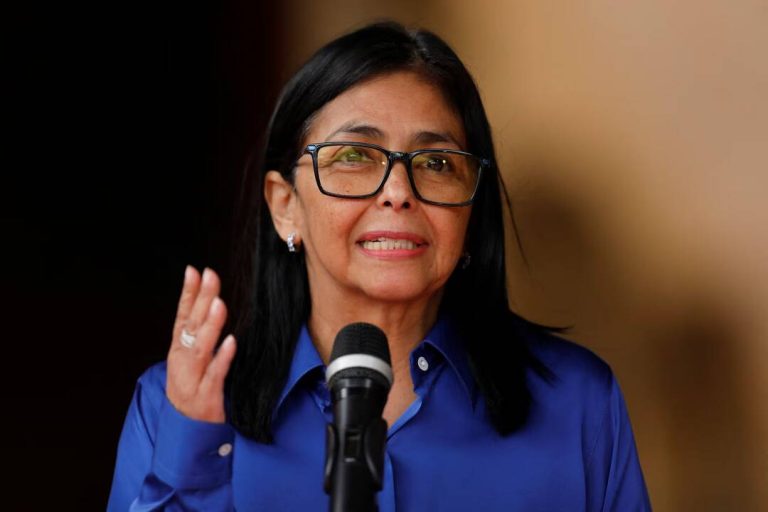
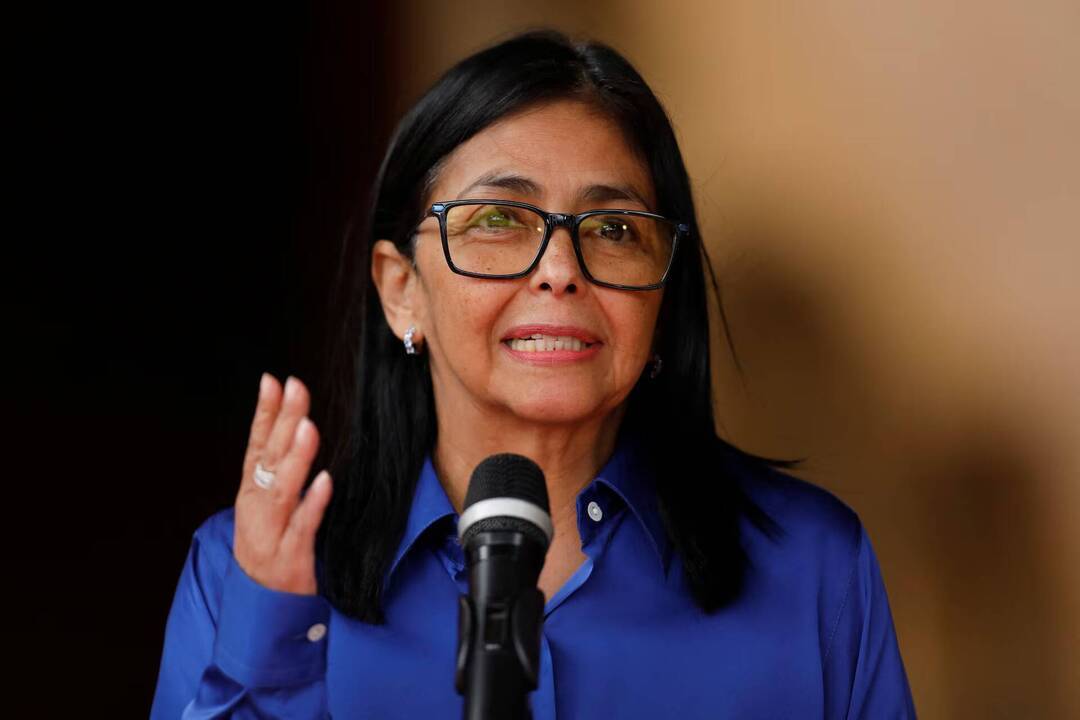
In a surprise move, Venezuela’s acting president Delcy Rodríguez has announced an amnesty bill that could result in the release of thousands of political prisoners, including opposition leaders, journalists, and human rights activists. The announcement has sent shockwaves throughout the country, with many hailing it as a significant step towards healing the nation’s deep-seated wounds. According to Rodríguez, the new law will cover cases from 1999 until today, but will exclude those accused of killings, serious abuses of human rights, and drug trafficking.
The move is seen as a major concession by the Venezuelan government, which has been criticized for its handling of opposition figures and dissidents. For years, the country has been plagued by a deepening political crisis, with thousands of people arrested and imprisoned for their perceived opposition to the government. Many of these prisoners have been held in harsh conditions, with limited access to basic necessities like food, water, and medical care.
The announcement of the amnesty bill has been met with a mixture of excitement and skepticism. While many are hailing it as a positive step towards reconciliation, others are questioning the government’s motives and the potential impact of the law. Some have expressed concerns that the bill may be used as a tool to silence opposition voices, while others have pointed out that it may not go far enough in addressing the root causes of the country’s political crisis.
One of the key aspects of the bill is its scope. According to Rodríguez, the law will cover cases from 1999 until today, which means that thousands of people who have been imprisoned over the past two decades could be eligible for release. This includes many high-profile opposition leaders, journalists, and human rights activists who have been jailed for their work. The bill will also apply to those who have been accused of lesser crimes, such as participating in protests or expressing dissenting opinions.
However, the bill is not without its limitations. As Rodríguez noted, it will exclude those accused of killings, serious abuses of human rights, and drug trafficking. This means that many of the most serious offenders will not be eligible for release, and will instead face trial and potential imprisonment. While this may be seen as a necessary measure to ensure justice and accountability, it has also raised concerns about the potential for selective prosecution and the use of the justice system as a tool for political repression.
The announcement of the amnesty bill has also raised questions about the role of the international community in Venezuela’s political crisis. For years, the country has been the subject of intense diplomatic pressure, with many countries calling for the government to release opposition prisoners and respect human rights. The United States, in particular, has been a vocal critic of the Venezuelan government, imposing sanctions and other measures in an effort to pressure the regime into reform.
In recent months, however, there have been signs of a shift in the international community’s approach to Venezuela. The European Union, for example, has been working to establish a dialogue with the Venezuelan government, with the aim of finding a peaceful and democratic solution to the country’s crisis. The announcement of the amnesty bill may be seen as a response to these efforts, and a sign that the government is willing to engage with the international community in a more constructive way.
Despite these positive developments, however, many challenges remain. The Venezuelan economy is still in crisis, with hyperinflation and shortages of basic goods causing widespread suffering. The country’s healthcare system is also in shambles, with many hospitals and clinics lacking even the most basic supplies. These challenges will require a sustained and coordinated effort to address, and will likely involve significant investment and support from the international community.
In conclusion, the announcement of the amnesty bill in Venezuela is a significant development, with the potential to bring relief to thousands of people who have been imprisoned for their perceived opposition to the government. While the bill is not without its limitations, it is a positive step towards healing the nation’s deep-seated wounds and promoting reconciliation. As the country moves forward, it will be important to monitor the implementation of the bill, and to ensure that it is used as a tool for justice and accountability, rather than as a means of silencing opposition voices.
About the Author