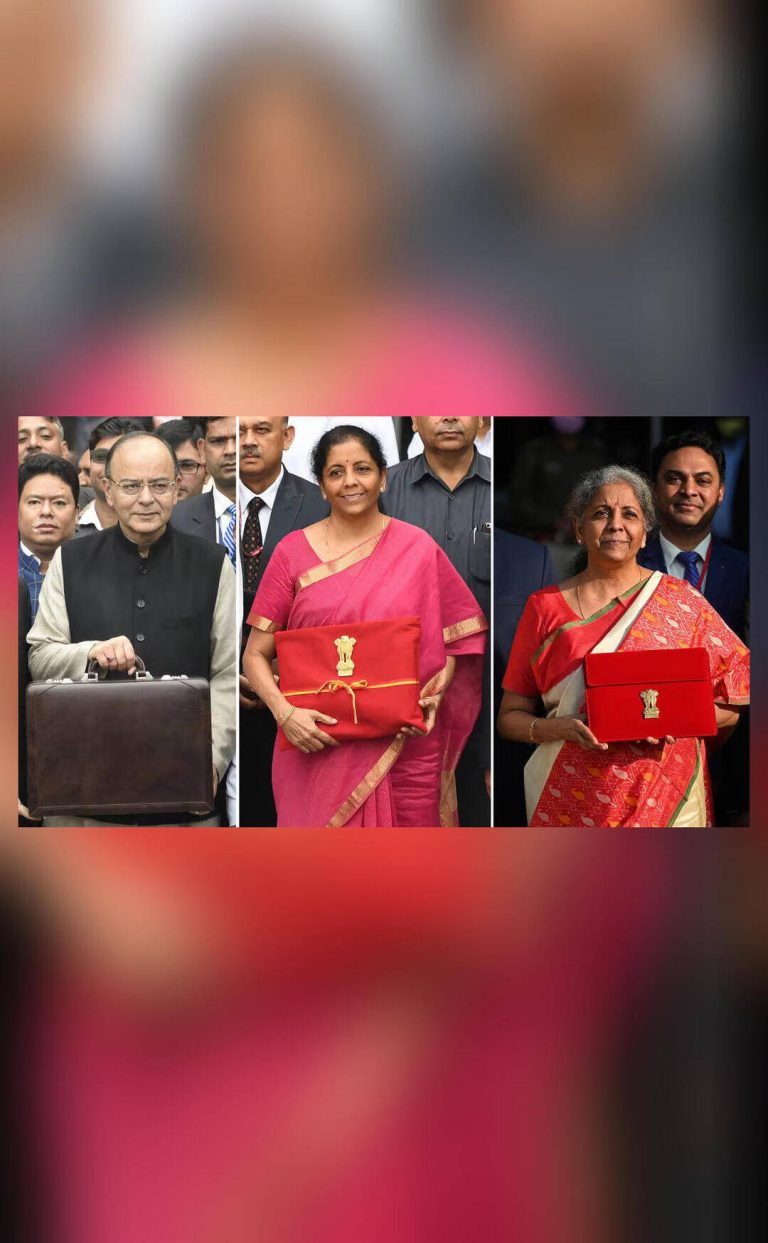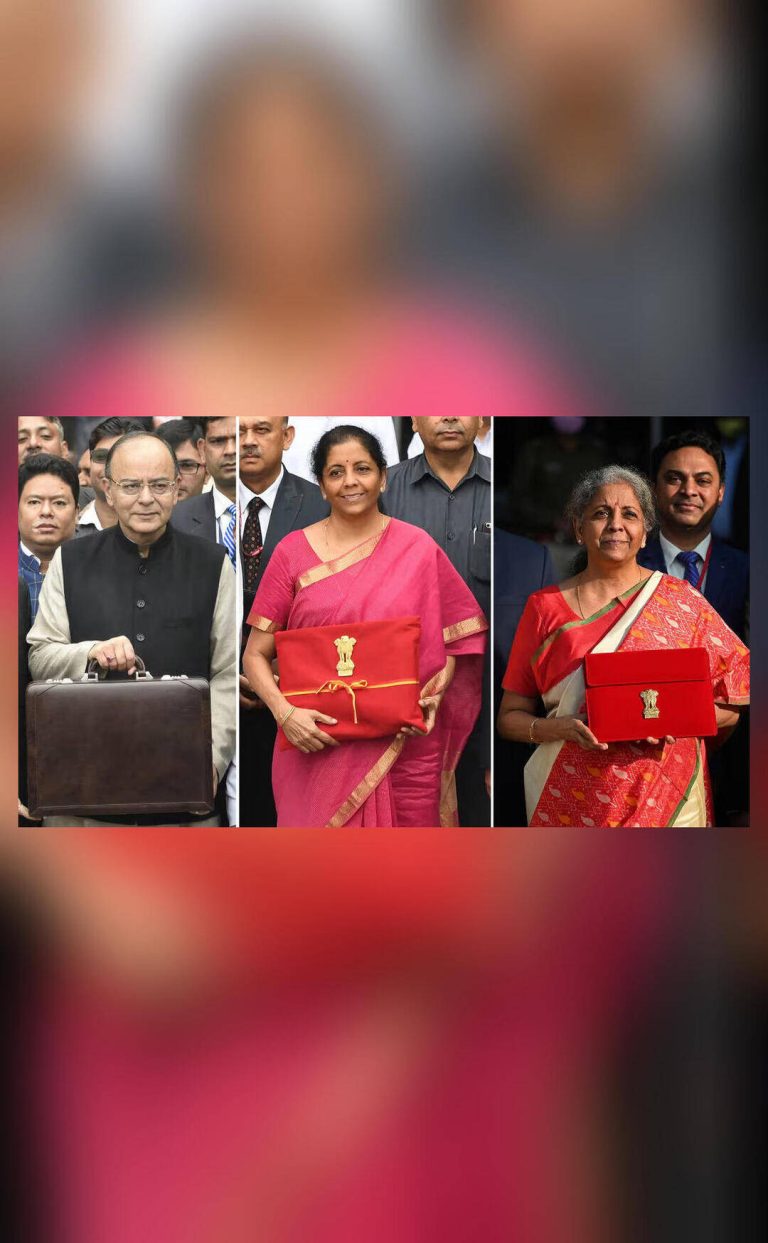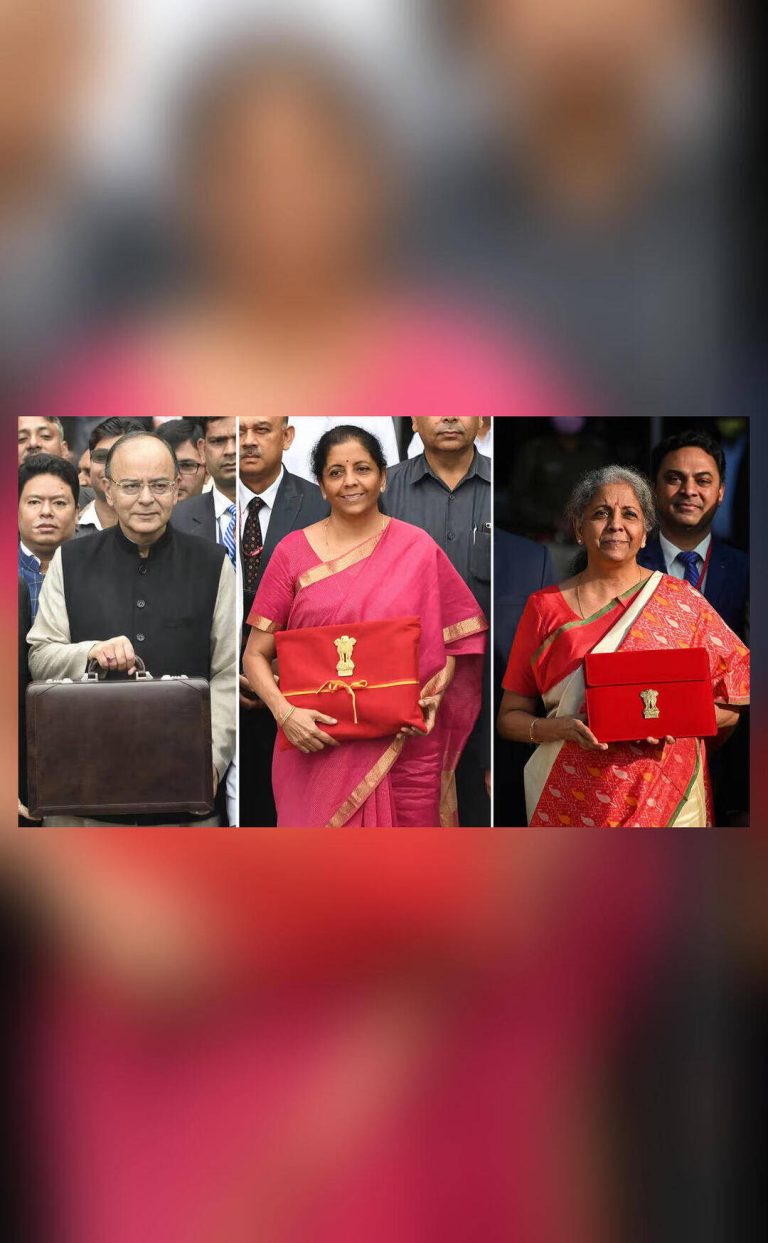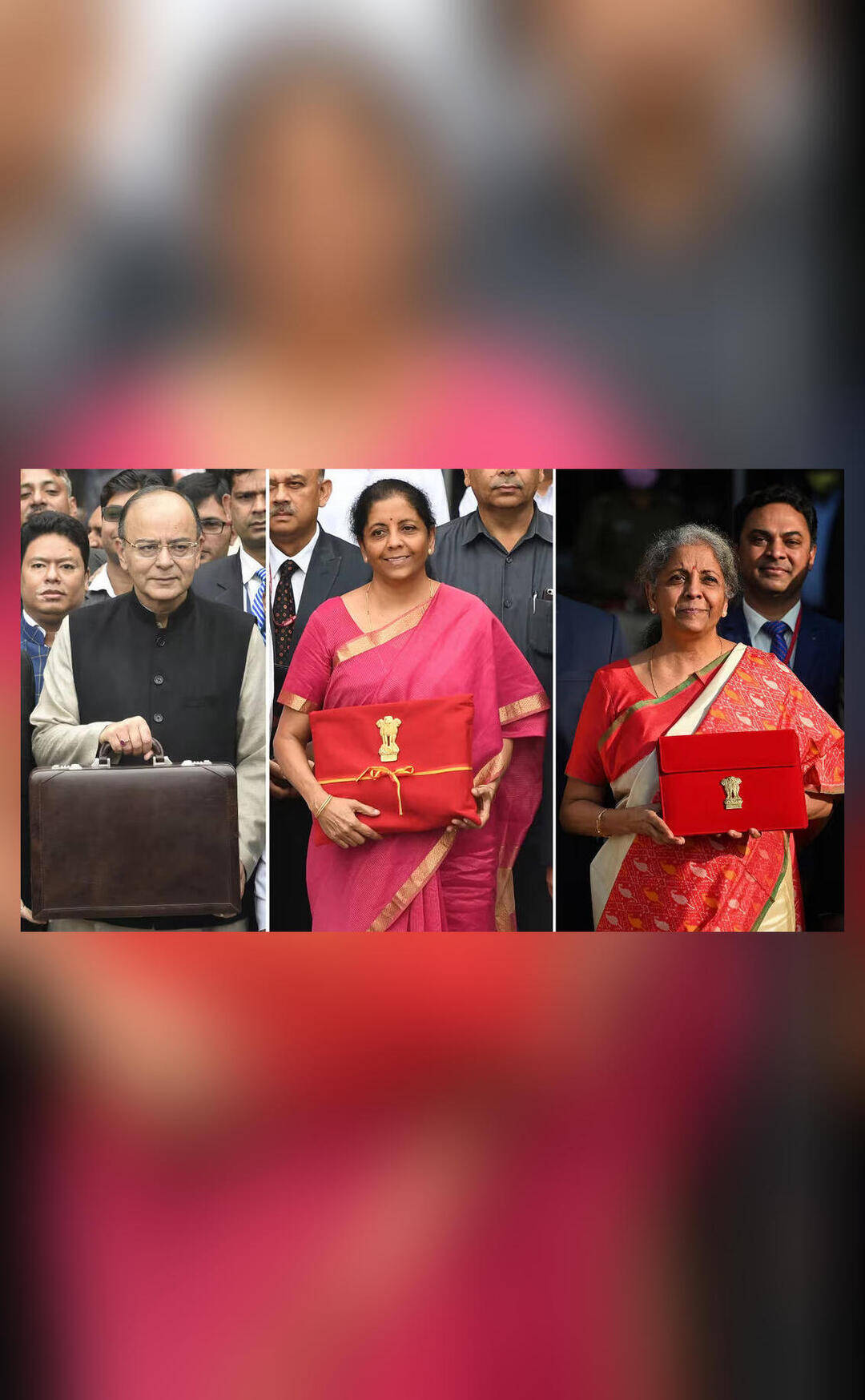
How has Union Budget’s presentation changed over the years, from a briefcase to a tablet?
The Union Budget of India is one of the most anticipated events in the country’s economic calendar. Every year, the Finance Minister presents the Budget to the Parliament, outlining the government’s financial plans and policies for the upcoming fiscal year. Over the years, the presentation of the Union Budget has undergone significant changes, reflecting the evolving times and technological advancements. In this blog post, we will delve into the transformations that the Union Budget’s presentation has undergone, from the traditional briefcase to a modern tablet.
Historically, the Union Budget was presented on the last day of February, at 5:00 pm. However, in 1999, the presentation time was changed to 11:00 am. This change was made to ensure that the Budget is presented at a more convenient time, allowing for a full day of discussion and analysis. Another significant change was made in 2017, when the date of the Budget presentation was shifted from the last day of February to February 1. This change was aimed at enabling the government to implement its financial plans and policies from the beginning of the fiscal year.
In addition to the changes in the date and time of the Budget presentation, the manner in which the Finance Minister carries the Budget documents has also undergone a transformation. Traditionally, the Finance Minister would carry the Budget documents in a briefcase. However, in 2019, Finance Minister Nirmala Sitharaman broke away from this tradition by carrying the Budget documents in a cloth-wrapped ‘bahi khata’ (a traditional Indian ledger book). This move was seen as a nod to India’s rich cultural heritage and a departure from the colonial-era tradition of carrying a briefcase.
The most significant change in the presentation of the Union Budget, however, was made in 2021. For the first time in India’s history, the Union Budget was presented in a paperless format, with Finance Minister Nirmala Sitharaman using a Made-in-India tablet to present the Budget. This move marked a significant shift towards a digital and eco-friendly approach, in line with the government’s initiatives to promote digitalization and reduce paper usage.
The transition to a paperless Budget was a result of the government’s efforts to leverage technology and make the Budget-making process more efficient and transparent. The use of a tablet enabled the Finance Minister to access and present the Budget documents in a more organized and visually appealing manner. The paperless Budget also helped reduce the environmental impact of the Budget-making process, which previously involved the printing of thousands of pages of documents.
The changes in the presentation of the Union Budget reflect the government’s commitment to embracing technology and innovation. The use of a tablet to present the Budget is a testament to the government’s efforts to promote digitalization and make the Budget-making process more efficient. The shift away from traditional methods of presenting the Budget, such as carrying documents in a briefcase, also highlights the government’s willingness to break away from colonial-era traditions and adopt more modern and indigenous approaches.
In conclusion, the presentation of the Union Budget has undergone significant changes over the years, from the traditional briefcase to a modern tablet. The changes in the date and time of the Budget presentation, as well as the manner in which the Finance Minister carries the Budget documents, reflect the evolving times and technological advancements. The transition to a paperless Budget in 2021 marked a significant milestone in the history of the Union Budget, and highlights the government’s commitment to promoting digitalization and reducing environmental impact.
As we look forward to the upcoming Union Budget, it will be interesting to see how the government continues to leverage technology and innovation to make the Budget-making process more efficient and transparent. The use of a tablet to present the Budget is likely to become a permanent feature of the Budget presentation, and may pave the way for further innovations in the years to come.
For more information on the Union Budget and its presentation, readers can refer to the article on the Free Press Journal website, which provides a detailed analysis of the changes in the Budget presentation over the years. The article also highlights the key features of the last 10 Budgets presented in the Modi regime, and provides insights into the government’s financial plans and policies.
About the Author