Venezuela announces bill for mass release of political prisoners
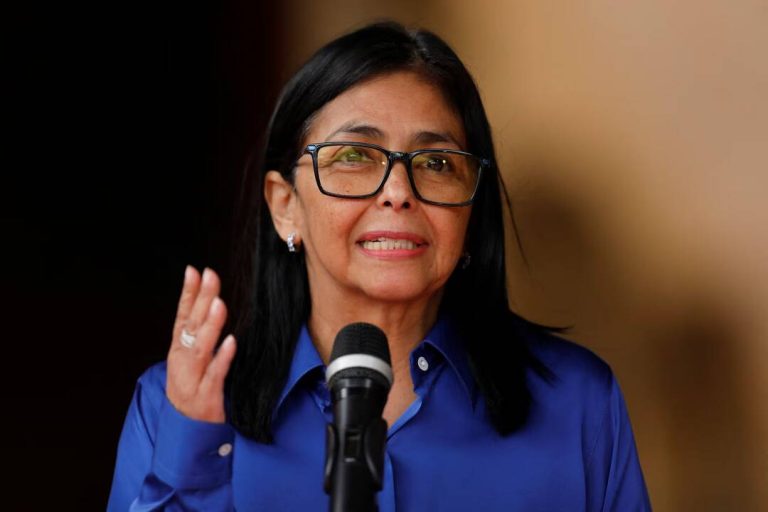
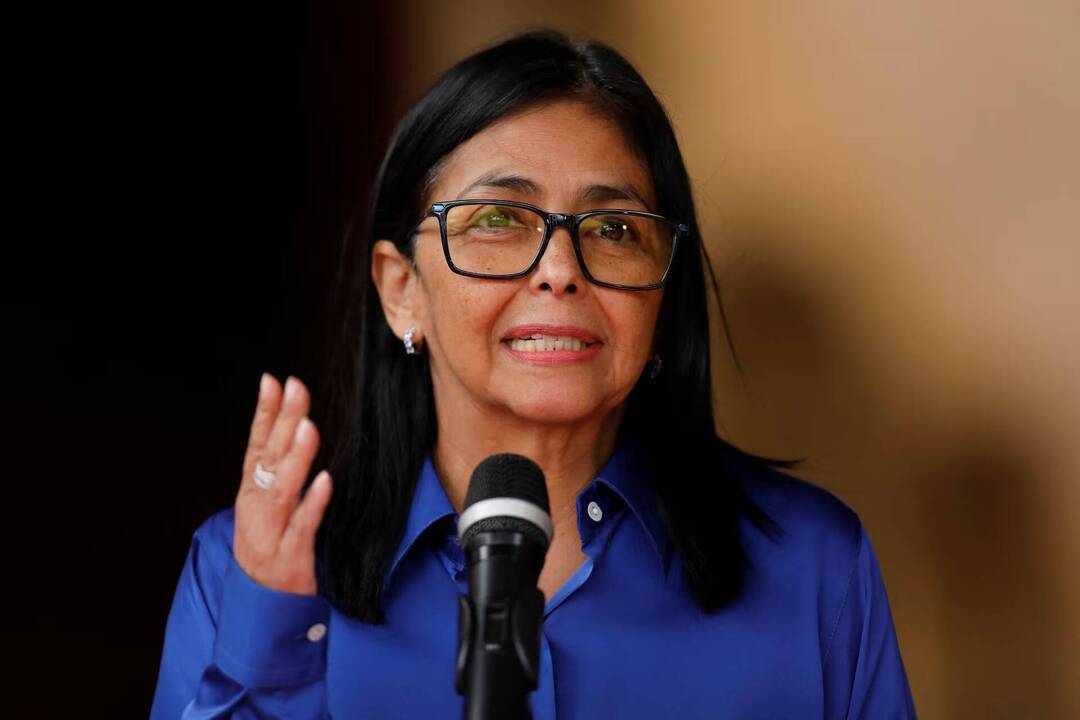
In a move that could signal a significant shift in the country’s approach to human rights and political freedoms, Venezuela’s acting president Delcy Rodríguez has announced an amnesty bill that could result in the release of thousands of political prisoners. The proposed law, which will cover cases from 1999 until the present day, has the potential to bring an end to the long-standing persecution of opposition leaders, journalists, and human rights activists who have been detained and imprisoned for their views and activities.
According to Rodríguez, the new law will provide amnesty to individuals who have been accused of crimes related to political activities, but will exclude those who have been accused of more serious offenses such as killings, serious abuses of human rights, and drug trafficking. This distinction is crucial, as it suggests that the government is attempting to draw a line between those who have been imprisoned for their political beliefs and those who have been involved in more serious crimes.
The announcement of the amnesty bill has been welcomed by many as a positive step towards improving human rights and promoting national reconciliation in Venezuela. For years, the country has been plagued by a deepening political crisis, which has resulted in the imprisonment of thousands of individuals who have been accused of opposing the government. Many of these prisoners have been subjected to harsh conditions, including torture and mistreatment, and have been denied access to basic rights such as medical care and legal representation.
The proposed amnesty law has the potential to bring relief to many of these prisoners and their families, who have suffered greatly as a result of their loved ones’ imprisonment. It could also help to reduce tensions between the government and the opposition, and create a more favorable environment for dialogue and negotiation. By releasing political prisoners and promoting national reconciliation, the government may be able to take a significant step towards healing the deep divisions that have torn the country apart.
However, it is also important to note that the announcement of the amnesty bill has been met with skepticism by some, who argue that it does not go far enough to address the root causes of the country’s human rights crisis. Many critics argue that the government’s actions are insufficient, and that more needs to be done to address the systemic issues that have led to the imprisonment of thousands of individuals.
One of the key concerns is that the amnesty bill may not provide adequate protection for those who have been accused of crimes related to their political activities. While the proposed law excludes those who have been accused of serious offenses such as killings and human rights abuses, it is unclear how these cases will be defined and prosecuted. There is a risk that the government may use the law to selectively release prisoners who are seen as less threatening, while continuing to detain and persecute those who are deemed to be more of a threat.
Additionally, the announcement of the amnesty bill has raised questions about the government’s commitment to human rights and the rule of law. While the proposed law may provide relief to some prisoners, it is unclear whether it will address the underlying issues that have led to the country’s human rights crisis. The government has been accused of using the justice system as a tool of repression, and it is unclear whether the amnesty bill will do anything to address this problem.
In conclusion, the announcement of the amnesty bill in Venezuela is a significant development that has the potential to bring relief to thousands of political prisoners and their families. While the proposed law is not without its limitations and criticisms, it represents an important step towards promoting national reconciliation and improving human rights in the country. However, it is crucial that the government takes further steps to address the root causes of the country’s human rights crisis, and ensures that the amnesty bill is implemented in a fair and transparent manner.
As the situation in Venezuela continues to evolve, it is essential that the international community remains vigilant and continues to push for greater respect for human rights and the rule of law. The announcement of the amnesty bill is a positive step, but it is only the beginning of a long and difficult process of healing and reconciliation.
For more information, visit: https://www.firstpost.com/world/venezuela-delcy-rodriguez-announces-amnesty-for-political-prisoners-13974437.html/amp
About the Author