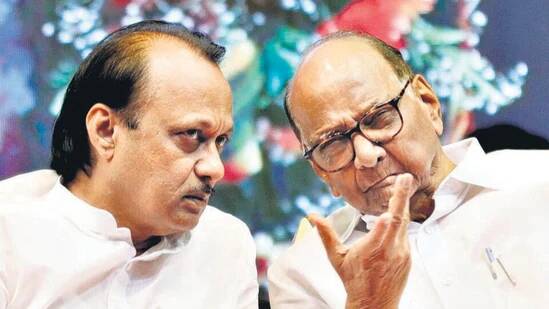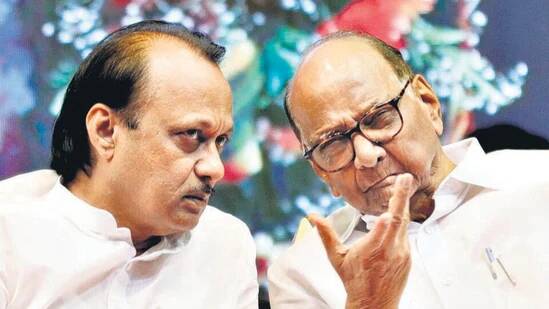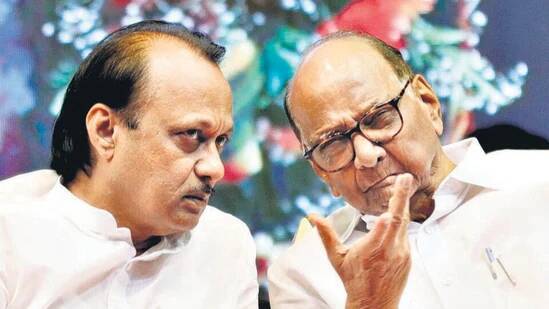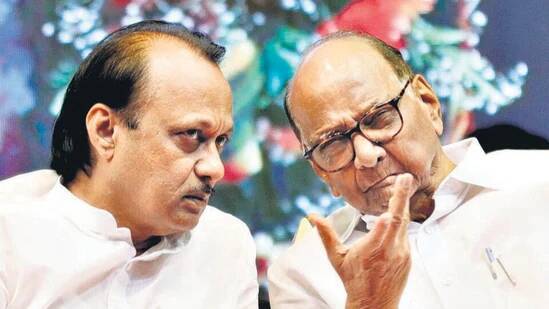
Ajit Pawar’s son meets Sharad Pawar in Baramati amid merger talks
The Indian political landscape is abuzz with the latest developments in the Nationalist Congress Party (NCP) as the son of late NCP chief Ajit Pawar met NCP (Sharad Pawar) chief Sharad Pawar at his home in Baramati. This significant meeting has sparked intense speculation about the potential merger of the two factions of the party. The NCP has been divided into two factions since Ajit Pawar’s death, with one faction led by Sharad Pawar and the other by Ajit Pawar’s loyalists.
According to sources, the meeting between Ajit Pawar’s son and Sharad Pawar was a cordial one, with both leaders engaging in discussions about the future of the party. While the details of the meeting are not publicly known, it is believed that the two leaders discussed the possibility of a merger between the two factions. This development comes amidst reports that both factions are planning to merge, a move that could have significant implications for the Indian political landscape.
Sharad Pawar had earlier revealed that Ajit Pawar had proposed a merger between the two factions, with February 12 being tentatively set as the date for the merger. However, the discussions were halted after Ajit Pawar’s untimely death in a plane crash. The NCP chief had expressed his willingness to consider the merger proposal, stating that he was open to discussions with Ajit Pawar’s faction.
The meeting between Ajit Pawar’s son and Sharad Pawar is seen as a significant development in the merger talks. It is believed that the two leaders may have discussed the modalities of the merger, including the leadership structure and the distribution of seats in the upcoming elections. The merger, if it happens, could have significant implications for the Indian political landscape, particularly in the state of Maharashtra where the NCP has a significant presence.
The NCP has been a key player in Maharashtra politics, and a merger between the two factions could strengthen the party’s position in the state. The party has been in alliance with the Shiv Sena and the Congress in the state, and a merger could potentially alter the dynamics of the alliance. The BJP, which is the main opposition party in the state, may also be affected by the merger, as it could potentially lead to a more unified opposition.
The meeting between Ajit Pawar’s son and Sharad Pawar has also sparked speculation about the role of other key players in the merger talks. Devendra Fadnavis, the leader of the opposition in Maharashtra, has been watching the developments closely, and it is believed that he may try to reach out to the NCP factions to explore the possibility of an alliance. The Congress party, which is a key ally of the NCP, may also be affected by the merger, and it is likely that the party will be watching the developments closely.
In conclusion, the meeting between Ajit Pawar’s son and Sharad Pawar is a significant development in the merger talks between the two factions of the NCP. While the details of the meeting are not publicly known, it is believed that the two leaders discussed the possibility of a merger, which could have significant implications for the Indian political landscape. The merger, if it happens, could strengthen the NCP’s position in Maharashtra and potentially alter the dynamics of the alliance in the state.
As the situation continues to unfold, it is likely that there will be more developments in the coming days. The NCP factions will likely engage in further discussions, and other key players, including the BJP and the Congress, may also try to reach out to the NCP factions to explore the possibility of an alliance. One thing is certain, however – the merger talks between the two NCP factions will be closely watched by political observers across the country, and the outcome could have significant implications for the Indian political landscape.
The NCP has been a key player in Indian politics, and a merger between the two factions could potentially strengthen the party’s position at the national level. The party has been in alliance with other opposition parties, including the Congress and the Shiv Sena, and a merger could potentially lead to a more unified opposition. The BJP, which is the ruling party at the national level, may also be affected by the merger, as it could potentially lead to a more challenging opposition.
As the merger talks continue, it is likely that there will be more developments in the coming days. The NCP factions will likely engage in further discussions, and other key players, including the BJP and the Congress, may also try to reach out to the NCP factions to explore the possibility of an alliance. The situation is fluid, and it is difficult to predict the outcome of the merger talks. However, one thing is certain – the merger talks between the two NCP factions will be closely watched by political observers across the country, and the outcome could have significant implications for the Indian political landscape.
About the Author