Scientists develop metal tubes that could enable unsinkable ships
The concept of unsinkable ships has long been a topic of interest and debate in the maritime industry. While there have been numerous attempts to create vessels that can withstand extreme conditions, none have been entirely successful. However, a recent breakthrough by scientists may bring us one step closer to achieving this goal. Researchers have developed a highly buoyant metal tube structure by processing aluminium, which can float even when submerged for long periods or damaged with holes. This innovative technology has the potential to revolutionize the shipping industry and make unsinkable ships a reality.
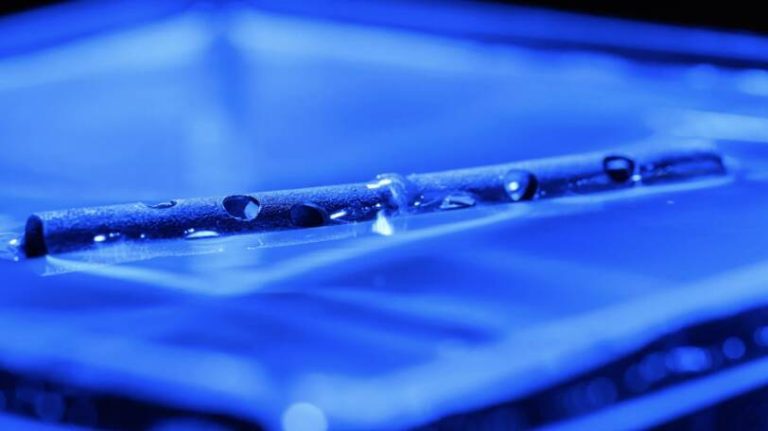
The key to this discovery lies in the unique properties of the metal tubes. By adding nanometer-scale grooves to aluminium tubes, the scientists were able to make them superhydrophobic, meaning they repel water. This property allows the tubes to stably maintain air bubbles on the inner surface, which provides the necessary buoyancy to keep the structure afloat. The researchers’ innovative approach has resulted in a metal tube that can withstand extreme conditions, including prolonged submersion and damage.
The creation of these metal tubes involved a complex process. The scientists began by processing aluminium to create a unique structure with nanometer-scale grooves. This was achieved through a combination of mechanical and chemical treatments, which altered the surface properties of the metal. The resulting tubes were then tested for their buoyancy and ability to withstand damage.
The results of these tests were impressive. The metal tubes demonstrated exceptional buoyancy, even when submerged for extended periods or damaged with holes. The air bubbles trapped inside the tubes provided the necessary lift to keep them afloat, making them ideal for use in maritime applications. The scientists’ discovery has significant implications for the shipping industry, where safety and durability are of paramount importance.
One of the most significant benefits of this technology is its potential to improve ship safety. The use of these metal tubes in ship construction could provide an additional layer of protection against sinking, even in the event of damage or flooding. This could be particularly important for vessels that operate in hazardous environments, such as oil tankers or cargo ships that carry sensitive or hazardous materials.
In addition to improving safety, this technology could also have environmental benefits. The use of unsinkable ships could reduce the risk of oil spills and other environmental disasters, which can have devastating consequences for marine ecosystems. By minimizing the risk of ship sinkings, this technology could help to protect marine life and preserve the health of our oceans.
The potential applications of this technology extend beyond the shipping industry. The use of superhydrophobic metal tubes could also have implications for other fields, such as aerospace or construction. For example, these tubes could be used to create lightweight, buoyant materials for use in aircraft or buildings, where weight and durability are critical factors.
While this discovery is undoubtedly exciting, there are still several challenges that must be overcome before this technology can be widely adopted. One of the main hurdles is the cost and complexity of producing these metal tubes on a large scale. The process of creating the nanometer-scale grooves and treating the aluminium is currently relatively expensive and time-consuming, which could limit the widespread adoption of this technology.
Despite these challenges, the scientists behind this discovery are optimistic about its potential. They believe that further research and development could lead to more efficient and cost-effective methods for producing these metal tubes, making them more accessible to industries that could benefit from this technology.
In conclusion, the development of metal tubes that can enable unsinkable ships is a significant breakthrough with far-reaching implications. The use of superhydrophobic metal tubes could revolutionize the shipping industry, improving safety and reducing the risk of environmental disasters. While there are still challenges to be overcome, the potential benefits of this technology make it an exciting and worthwhile area of research. As scientists continue to explore and develop this technology, we may soon see the creation of unsinkable ships that can withstand even the most extreme conditions.
News Source: https://www.sciencedaily.com/releases/2026/01/260130041105.htm
About the Author