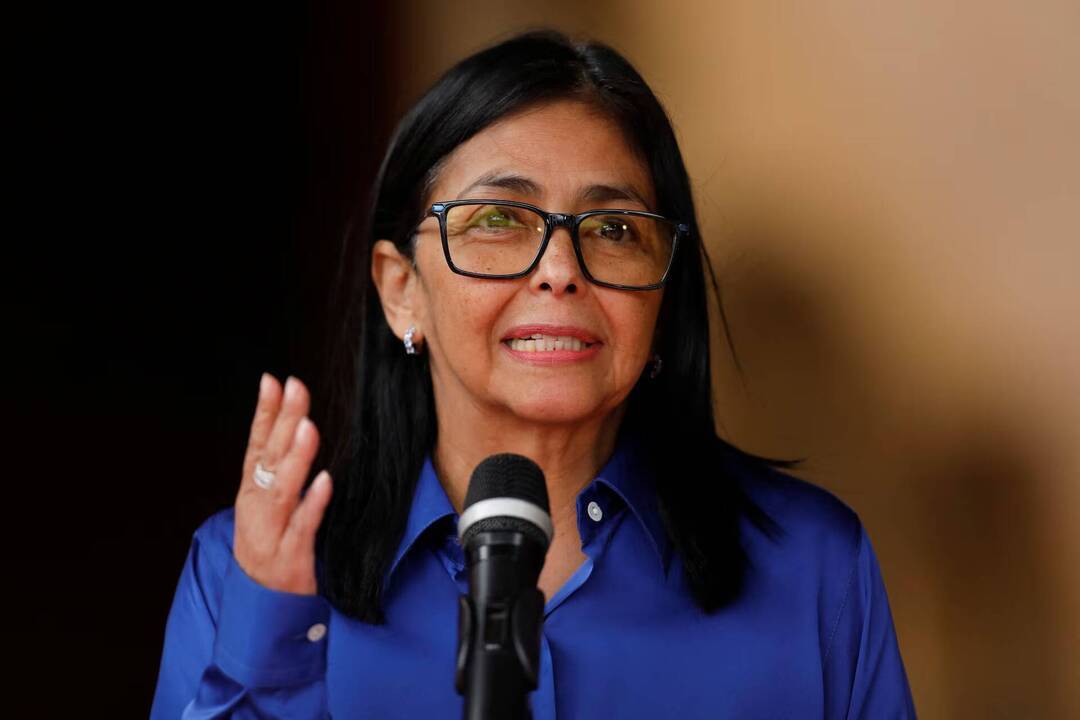
Venezuela announces bill for mass release of political prisoners
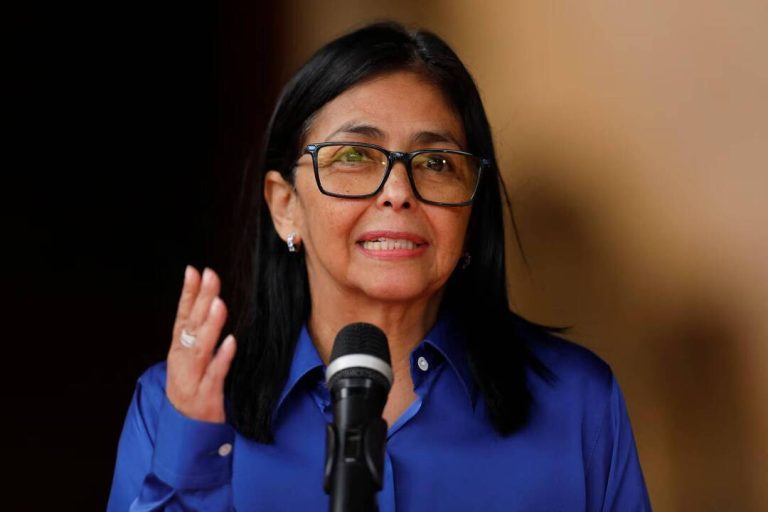
In a surprise move, Venezuela’s acting president Delcy Rodríguez has announced an amnesty bill that could result in the release of thousands of political prisoners, including opposition leaders, journalists, and human rights activists. The announcement has sent shockwaves across the country, with many hoping that it could mark a significant step towards reconciliation and healing in a nation that has been plagued by political turmoil and human rights abuses for decades.
According to Rodríguez, the new law will cover cases from 1999 until today, but will exclude those accused of killings, serious abuses of human rights, and drug trafficking. This means that many high-profile opposition leaders and activists who have been detained on charges of treason, conspiracy, and other crimes against the state could be eligible for release. The move is seen as a major concession by the Venezuelan government, which has faced intense international pressure to release political prisoners and improve its human rights record.
The announcement has been welcomed by human rights groups and opposition parties, who have long campaigned for the release of political prisoners. Many of these prisoners have been detained for years without trial, and have reported being subjected to torture, mistreatment, and other forms of abuse. The amnesty bill is seen as a major victory for these groups, who have worked tirelessly to bring attention to the plight of political prisoners in Venezuela.
However, not everyone is optimistic about the announcement. Some critics have expressed concerns that the amnesty bill may be a cynical attempt by the government to improve its international image, without making any meaningful changes to its human rights record. They point out that the government has made similar promises in the past, only to renege on them later. Others have noted that the bill’s exclusion of those accused of serious human rights abuses and killings may be a way for the government to justify continued repression of opposition groups and civil society.
Despite these concerns, the announcement has sparked hopes of a new era of reconciliation and dialogue in Venezuela. The country has been plagued by political polarization and violence for years, with the government and opposition engaging in a bitter struggle for power. The release of political prisoners could be a major step towards healing these divisions and rebuilding trust between the government and opposition.
The international community has also welcomed the announcement, with many countries and organizations calling for the immediate release of political prisoners. The United Nations, the European Union, and the Organization of American States have all expressed support for the amnesty bill, and have urged the Venezuelan government to implement it quickly and transparently.
The amnesty bill is also seen as a major test of the Venezuelan government’s commitment to human rights and the rule of law. For years, the government has been accused of using the justice system to silence opponents and critics, and of failing to investigate and prosecute human rights abuses. The release of political prisoners could be a major step towards repairing the country’s damaged justice system and rebuilding trust in the government.
In conclusion, the announcement of an amnesty bill for political prisoners in Venezuela is a significant development that could mark a major turning point in the country’s history. While there are concerns about the bill’s limitations and the government’s motivations, it is clear that the release of thousands of political prisoners could be a major step towards reconciliation, healing, and rebuilding in a nation that has been torn apart by conflict and division.
As the Venezuelan government moves to implement the amnesty bill, it is essential that the international community continues to monitor the situation closely and hold the government to its promises. The release of political prisoners must be accompanied by meaningful reforms to the justice system and a commitment to protecting human rights and the rule of law. Only then can Venezuela begin to heal its wounds and build a more just and equitable society for all its citizens.
About the Author