Prove you are Hindu, ban beef export: Shankaracharya to CM Yogi
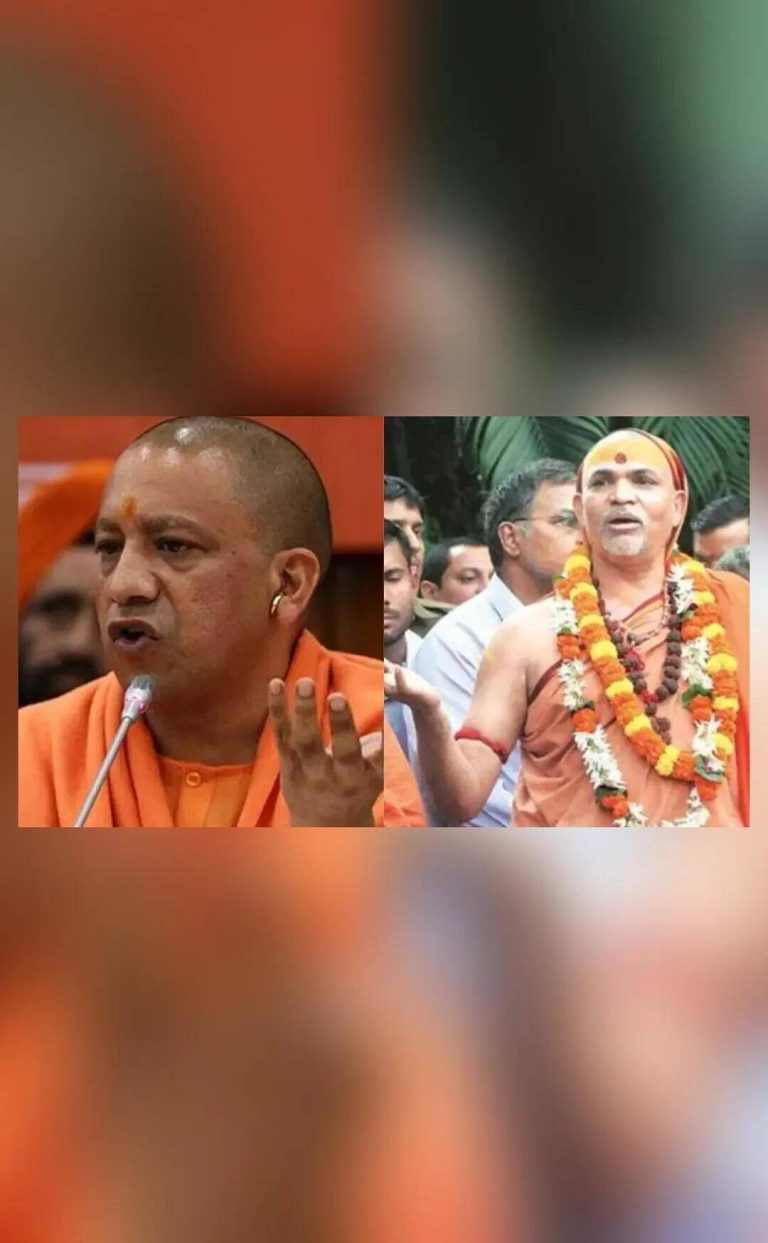
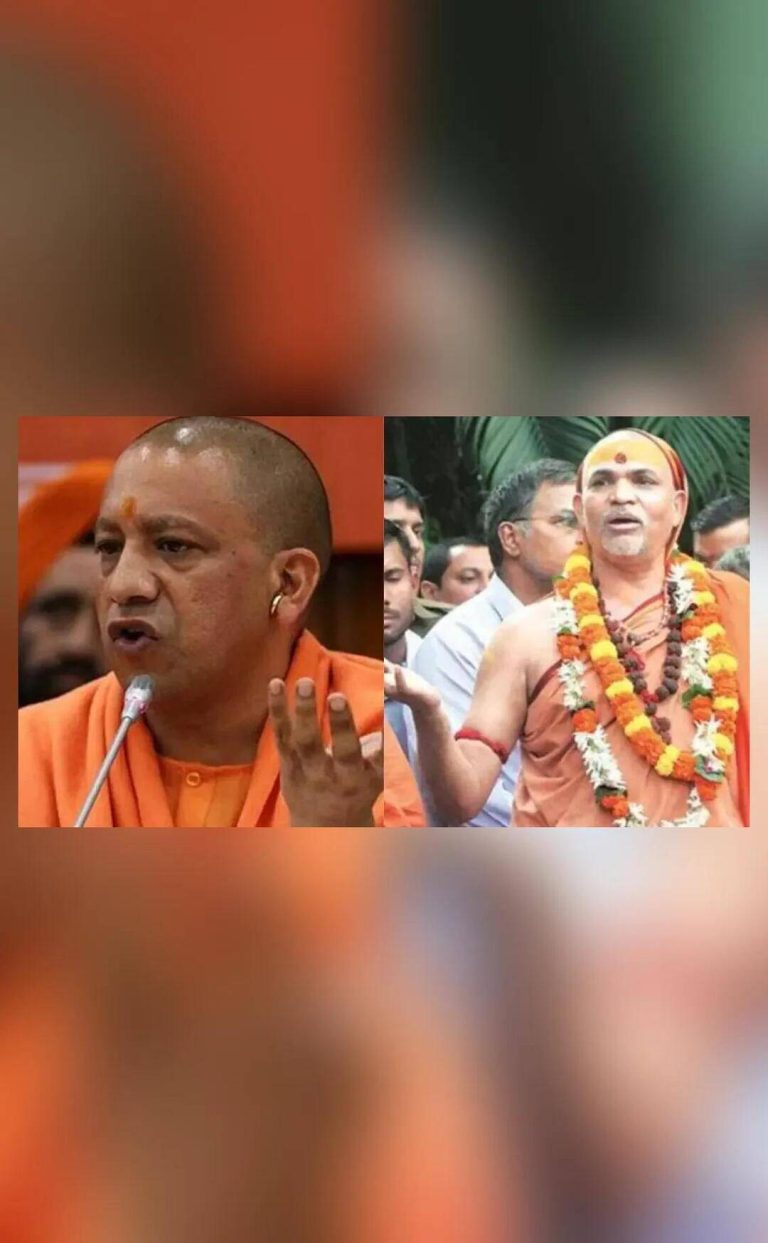
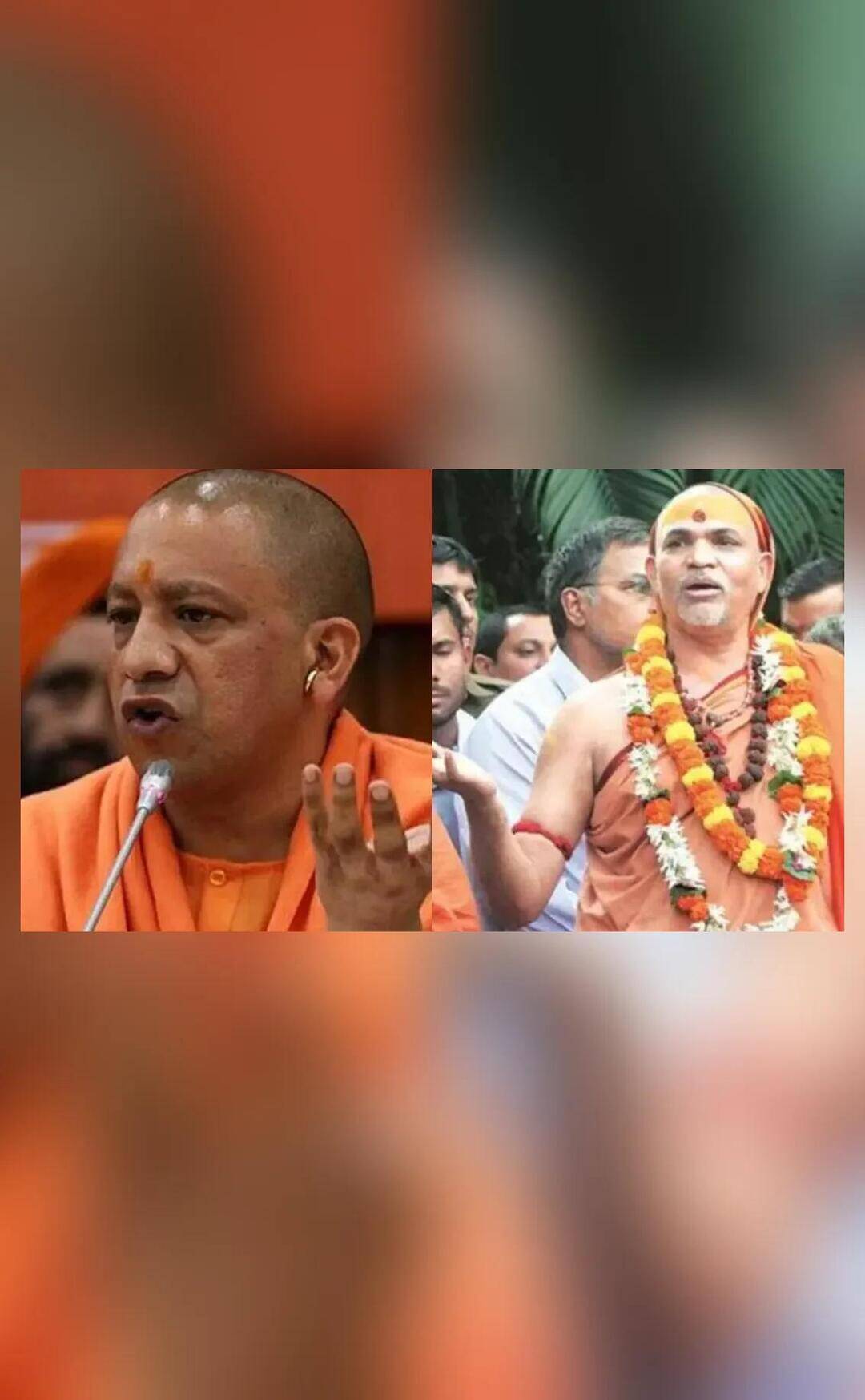
In a bold move, Shankaracharya Swami Avimukteshwaranad Saraswati has given a 40-day “ultimatum” to Uttar Pradesh Chief Minister Yogi Adityanath to prove his commitment to Hindu values. The ultimatum comes with two key demands: halting beef exports from the state and declaring the cow as ‘Rajya Mata’ (state mother). This development has sparked a significant debate about the role of religion in politics and the protection of cow rights in India.
The Shankaracharya’s ultimatum was issued after he returned to his Varanasi math following a protest over allegedly being stopped by the administration from taking a holy dip during the Prayagraj Magh Mela. The incident has raised questions about the freedom of religious leaders to practice their faith and the role of the government in facilitating or hindering their activities.
The demand to ban beef exports from Uttar Pradesh is not new, but it has gained significant traction in recent years. Many Hindu organizations and individuals have been advocating for a complete ban on cow slaughter and beef export, citing the cultural and religious significance of the cow in Hinduism. The cow is considered a sacred animal in Hinduism, and its slaughter is banned in many states in India.
However, the issue is complex, and a blanket ban on beef exports may have significant economic and social implications. The beef export industry is a significant contributor to India’s economy, and a ban could lead to job losses and economic hardship for many people involved in the industry. Moreover, the issue of cow protection is often used as a pretext for violence and intimidation against minority communities, particularly Muslims, who are often involved in the meat trade.
The declaration of the cow as ‘Rajya Mata’ is also a significant demand. While it may seem symbolic, it has important implications for the way the government approaches cow protection and welfare. If the cow is declared the state mother, it could lead to increased funding and resources for cow protection and welfare schemes, as well as stricter laws and enforcement mechanisms to prevent cow slaughter and cruelty.
The Shankaracharya’s ultimatum has sparked a significant debate about the role of religion in politics and the limits of religious leaders’ influence over government policy. While some have welcomed the Shankaracharya’s demands as a necessary step to protect Hindu values and cow rights, others have criticized the move as an attempt to impose a particular religious agenda on the state.
The Uttar Pradesh government has not yet responded to the Shankaracharya’s ultimatum, but it is likely to face significant pressure from Hindu organizations and individuals to act on the demands. The issue is particularly sensitive in Uttar Pradesh, which has a significant Hindu population and a long history of communal tensions.
In conclusion, the Shankaracharya’s ultimatum to Chief Minister Yogi Adityanath has sparked a significant debate about the role of religion in politics and the protection of cow rights in India. While the demands may seem simple, they have complex implications for the economy, society, and politics. As the 40-day deadline approaches, it remains to be seen how the government will respond to the Shankaracharya’s demands and what implications this will have for the state and the country as a whole.
The issue of cow protection and beef export is a contentious one, and it is likely to continue to be a significant point of debate and discussion in the coming days. As the government navigates this complex issue, it must balance the competing demands of different groups and ensure that any decisions taken are in the best interests of the state and its people.
Ultimately, the Shankaracharya’s ultimatum is a reminder of the significant influence that religious leaders can wield in Indian politics. As the country continues to grapple with the challenges of diversity, pluralism, and secularism, it is essential to ensure that the rights and freedoms of all citizens are protected and respected.
About the Author