Ajit Pawar’s son meets Sharad Pawar in Baramati amid merger talks
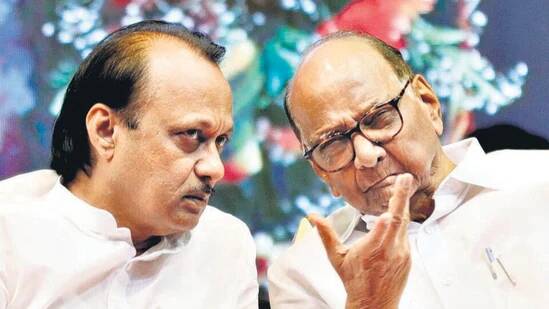
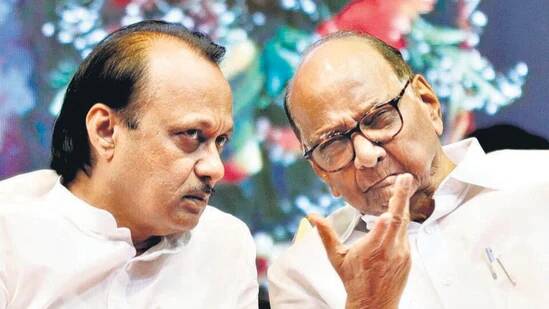
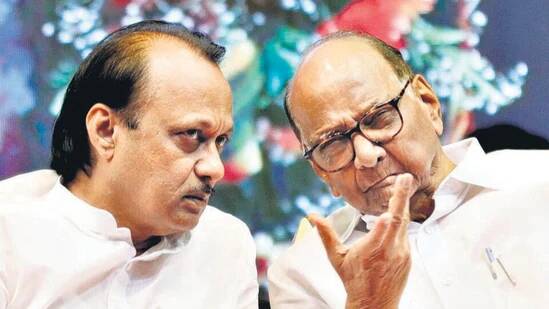
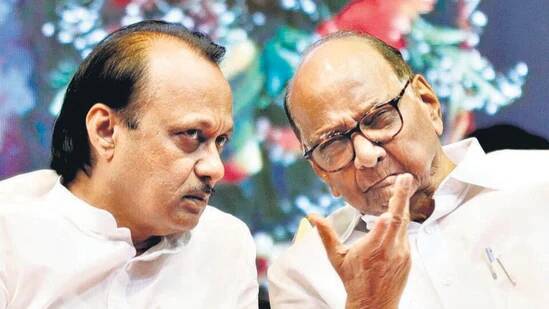
The world of Indian politics is always filled with twists and turns, and the recent developments in the Nationalist Congress Party (NCP) are no exception. Late NCP chief Ajit Pawar’s son, Parth Pawar, met NCP (Sharad Pawar) chief Sharad Pawar at his home in Baramati, sparking speculation about a potential merger between the two factions of the party. This meeting comes amidst reports that both factions are planning a merger, a move that could have significant implications for the Indian political landscape.
The NCP has been divided into two factions, one led by Sharad Pawar and the other by Ajit Pawar, who was the nephew of Sharad Pawar. Ajit Pawar was a key figure in the party and had a significant following in the state of Maharashtra. However, his sudden death in a plane crash has left a power vacuum in the party, and there are now reports that the two factions are planning a merger.
Sharad Pawar, the chief of the NCP (Sharad Pawar) faction, had earlier stated that Ajit Pawar had proposed a merger between the two factions and had suggested February 12 as a tentative date for the merger. However, the discussions were halted after Ajit Pawar’s death. The meeting between Parth Pawar and Sharad Pawar has reignited speculation about a potential merger, and it is likely that the two factions will begin talks soon.
The implications of a merger between the two factions of the NCP would be significant. The NCP is a key player in Indian politics, and a merger would give the party a significant boost in terms of numbers and influence. The party would be able to present a united front, which would be beneficial in the upcoming elections. Additionally, a merger would also help to resolve the infighting within the party, which has been a major issue in recent years.
However, a merger is not without its challenges. The two factions have been at odds for several years, and there are likely to be significant differences in terms of ideology and leadership style. Sharad Pawar is a veteran politician with a long history of experience, while Parth Pawar is a relatively new player in the party. The two factions will need to navigate these differences and find a way to work together if a merger is to be successful.
The meeting between Parth Pawar and Sharad Pawar is also significant because it marks a new era in the NCP. Ajit Pawar’s death has left a void in the party, and it is likely that Parth Pawar will play a key role in the party’s future. The meeting suggests that Parth Pawar is willing to work with Sharad Pawar and the NCP (Sharad Pawar) faction, which is a positive sign for the party.
In addition to the meeting between Parth Pawar and Sharad Pawar, there have been other developments in the NCP that suggest a merger is on the cards. Several key leaders from the Ajit Pawar faction have defected to the Sharad Pawar faction, which has given the party a significant boost in terms of numbers. The defections have also helped to reduce the infighting within the party, which has been a major issue in recent years.
The NCP is not the only party that is undergoing changes. The Indian National Congress (INC) is also undergoing a significant transformation, with several key leaders leaving the party in recent months. The INC has been struggling to regain its footing after a series of electoral defeats, and the party is in the process of rebuilding and rebranding itself.
The Bharatiya Janata Party (BJP) is also watching the developments in the NCP with interest. The BJP has been the dominant party in Indian politics for several years, but the party is facing significant challenges in the upcoming elections. The BJP will be looking to capitalize on any divisions within the NCP and the INC, and the party will be working to win over voters who are disillusioned with the other parties.
In conclusion, the meeting between Parth Pawar and Sharad Pawar is a significant development in the NCP. The meeting suggests that a merger between the two factions is on the cards, which would have significant implications for the Indian political landscape. The NCP is a key player in Indian politics, and a merger would give the party a significant boost in terms of numbers and influence. However, a merger is not without its challenges, and the two factions will need to navigate their differences and find a way to work together if a merger is to be successful.
As the situation continues to unfold, it will be interesting to see how the NCP and the other parties in Indian politics respond to the developments. The upcoming elections will be a significant test for the parties, and the NCP will be looking to capitalize on any opportunities that arise. For now, the meeting between Parth Pawar and Sharad Pawar is a positive sign for the party, and it suggests that the NCP is moving in the right direction.
About the Author